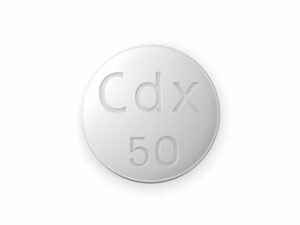



Dutasteride (Avodart & Generic) — Patient-Friendly Guide (Australia)
Dutasteride is a medicine used to treat certain urinary and prostate conditions in men. It works by lowering the levels of the hormone dihydrotestosterone (DHT), which can shrink an enlarged prostate and improve urinary symptoms. This guide explains how dutasteride works, how it’s taken, what to expect, and important safety information for use in Australia.
1) Basic product information
- Medicine name: Dutasteride
- Common brand examples: Avodart (and generics, where available)
- Medicine type: 5-alpha-reductase inhibitor (5-ARI)
- How it comes: Oral capsules
- Typical strengths: Often 0.5 mg capsules (varies by brand)
- Who it’s used for: Adult men with enlarged prostate and associated urinary symptoms
Availability and brand names can vary by pharmacy and supply. Your pharmacist can confirm the exact product options available to you.
2) What dutasteride does (mechanism of action)
Dutasteride blocks the conversion of testosterone to dihydrotestosterone (DHT) by inhibiting the enzymes 5-alpha-reductase. In the prostate, DHT helps drive prostate growth. By reducing DHT levels, dutasteride can:
- Shrink the enlarged prostate over time
- Improve urine flow and reduce blockage
- Reduce symptoms such as frequent urination, weak stream, and night-time waking
- Lower the risk of certain prostate-related complications in appropriate patients
Dutasteride does not provide an immediate “fast relief” effect like some medicines that relax smooth muscle. Instead, it works gradually by changing hormone activity within the prostate.
3) Pharmacokinetics (how the body handles dutasteride)
Understanding how dutasteride behaves in the body can help you plan expectations for symptom improvement and ongoing treatment.
| Topic | Key points (patient-friendly overview) |
|---|---|
| Absorption | Dutasteride is absorbed after oral dosing. Steady hormone effects develop over time. |
| Peak levels | Blood levels rise after a dose and build gradually with ongoing treatment. |
| Distribution | Dutasteride is widely distributed in the body, including prostate tissue. |
| Metabolism | Primarily metabolised by liver enzymes. Interactions with certain medicines that affect these enzymes are possible. |
| Elimination | Has a long elimination half-life, so effects last and dosing schedules typically remain consistent. |
| Steady effect | Because it acts on hormone pathways and has prolonged presence in the body, symptom improvement often takes weeks to months. |
4) Typical use in Australia
Dutasteride is commonly used for men with benign prostatic hyperplasia (BPH), also referred to as an enlarged prostate. In Australia, it is used as part of a management plan that may also include lifestyle measures and, for some men, other medicines.
Depending on individual circumstances, dutasteride may be used alone or in combination with other therapies to relieve urinary symptoms and reduce progression risks.
5) Indications (why dutasteride may be recommended)
Dutasteride is indicated for:
- Treatment of BPH in men with enlarged prostate to improve urinary symptoms
- Reduction of the risk of acute urinary retention and surgery related to BPH in appropriately selected patients (as clinically relevant)
Your healthcare professional may consider prostate size, symptom severity, urinary flow measures, and other risk factors when deciding whether dutasteride is suitable.
6) Dosing and how to take dutasteride
This section offers general guidance. Always follow the dosing instructions provided with your product and by your clinician.
Typical dose
- Most commonly: 0.5 mg once daily (oral capsule)
Timing (what time of day to take it)
Dutasteride can be taken any time of day. Many people find it easiest to take at the same time daily to maintain consistency. The “best” time is the time that fits your routine and improves adherence.
- With or without food: Generally can be taken either way (see food interaction notes below).
- Consistency matters: Avoid missed doses where possible.
What if you miss a dose?
- Take it when you remember on the same day.
- If it’s close to the time of your next dose, skip the missed dose and resume your regular schedule.
- Do not double up to make up for a missed dose.
How long until you notice benefits?
Improvement may be gradual:
- Some men notice changes within weeks.
- More meaningful benefit is often seen after 3 months or longer.
- For certain outcomes, longer treatment may be needed.
7) Food interactions (and taking dutasteride with meals)
Dutasteride is generally not known to have a major food interaction. It can typically be taken with or without food.
- If you experience mild stomach upset, taking it with a meal may improve tolerability.
- Because dutasteride’s hormone effect is not immediate, taking it consistently is more important than timing with meals.
8) Alcohol and medicine interactions
Alcohol
There is no universal “absolute” prohibition on alcohol with dutasteride, but alcohol can affect urinary symptoms indirectly. For example, alcohol may:
- Increase urine production in some people
- Trigger more frequent urination or night-time waking
- Worsen dehydration if intake is high
If you choose to drink alcohol, consider moderation and monitor whether it worsens urinary symptoms.
Other medicine interactions (important)
Dutasteride is metabolised in the liver, and interactions can occur with medicines that strongly affect liver enzymes. Always tell your pharmacist or clinician about all medicines you take, including:
- Prescription medicines
- Over-the-counter products
- Herbal supplements (including “prostate” or hormone-related supplements)
- Vitamin or mineral preparations
Particularly relevant interaction categories may include medicines that alter liver enzyme activity. If you are taking other long-term medications, double-check with a pharmacist to ensure safe co-use.
9) Safety profile and side effects
Like all medicines, dutasteride may cause side effects. Many men tolerate it well, but it’s important to know what to look for. If you have concerns, your pharmacist can help you assess whether symptoms may relate to dutasteride.
Common or known side effects
- Sexual side effects may occur, such as reduced libido
- Erectile dysfunction (difficulty achieving or maintaining erections)
- Changes in ejaculation (for example, reduced volume)
- Breast tenderness or breast enlargement (less common)
Less common but important reactions
- Allergic-type reactions such as rash or swelling (rare)
- Mood changes in some individuals (report promptly if severe or persistent)
When to seek urgent medical attention
Seek urgent help if you develop symptoms suggesting a serious allergic reaction, such as:
- Swelling of the face, lips, tongue, or throat
- Breathing difficulty
- Widespread blistering or severe skin reactions
Prostate-specific antigen (PSA) and monitoring
Dutasteride lowers PSA levels. PSA is used to monitor prostate health. Because PSA can be reduced by dutasteride, clinicians interpret PSA differently in men taking a 5-ARI.
- Continue regular prostate monitoring as recommended.
- Do not stop dutasteride without medical advice.
- Inform your clinician that you take dutasteride when PSA tests are performed.
Who should avoid or use with extra caution?
- Women and children: Dutasteride is generally not for use in women or children.
- Pregnancy exposure: Handling of broken or leaking capsules can be risky; see “Practical use tips” below.
- History of prostate cancer: Men should discuss individual risk and monitoring plans with their healthcare professional.
- Liver disease: Extra caution may be required due to metabolism in the liver.
10) Practical use tips (how to use dutasteride safely)
- Take it every day: Consistency supports hormone suppression and longer-term prostate effects.
- Do not crush or open capsules: Swallow the capsule whole.
- Handle carefully: If a capsule is broken or leaking, avoid skin contact.
- Women who are pregnant or may become pregnant should avoid exposure: Follow product handling guidance and keep the medicine out of reach.
- Track urinary symptoms: Note improvements (stream strength, night-time waking, urgency). This helps you and your clinician judge whether treatment is working.
- Keep follow-up appointments: Monitoring may include urinary symptom scores, prostate examinations, and PSA testing adjusted for 5-ARIs.
Missed dose checklist
- If you forget: take when remembered unless close to the next dose.
- If in doubt: ask your pharmacist how to handle your specific schedule.
11) Alternative options for BPH symptoms
BPH can be managed in different ways. Alternatives to dutasteride depend on prostate size, symptom severity, urinary flow, and personal preferences. Options may include:
Medication alternatives
- Alpha-blockers (often provide faster symptom relief by relaxing bladder/prostate muscles)
- Combination therapy (5-ARI plus an alpha-blocker) for selected patients
- Other medicines used for lower urinary tract symptoms (where appropriate)
Non-medicine options
- Fluid management (reduce evening intake to help night-time urination)
- Bladder training
- Pelvic floor exercises (in some cases)
- Procedures or surgery for severe or progressing BPH, when suitable
Your clinician can help match the approach to your symptoms, prostate size, and risk profile.
12) Market and legal context for Australia (online pharmacy)
In Australia, medicines are supplied under regulatory frameworks designed to support safe use. Availability on an online pharmacy platform typically includes guidance on:
- Product identification (brand or generic)
- Appropriate patient suitability checks
- Safety information, including known side effects and interactions
- Delivery options and handling requirements
Requirements can vary depending on product category and state/territory rules. If you’re purchasing via an online pharmacy, you may be asked to complete a medical questionnaire or provide additional information to ensure the product is suitable for you.
Always use reputable Australian pharmacies and confirm the medicine is supplied in correct packaging with clear labelling.
13) Recent guidance and clinical considerations
Clinical practice evolves based on ongoing research and safety monitoring. Current themes in guidance for men using 5-alpha-reductase inhibitors include:
- Ongoing PSA interpretation (PSA levels can be reduced by dutasteride; clinicians adjust interpretation)
- Awareness of sexual side effects and open discussion with healthcare professionals
- Appropriate patient selection (men with enlarged prostate are more likely to benefit)
- Regular monitoring for symptom improvement and safety
If you have questions about how dutasteride may affect prostate monitoring, ask your pharmacist or clinician before starting or while taking it.
14) Delivery and availability (Australia)
Online pharmacies in Australia often provide:
- Home delivery to eligible addresses
- Tracking for shipped orders (where offered)
- Discreet packaging for privacy
- Options to confirm stock availability prior to dispatch
Delivery times depend on location, courier service, and whether the item is in stock. If your preferred brand is not available, a pharmacist may offer an equivalent generic alternative where appropriate.
15) Frequently asked questions (FAQ)
How quickly does dutasteride work?
Dutasteride works gradually. Some improvement may occur within weeks, but clearer symptom benefits are often seen after about 3 months. Prostate-related outcomes may take longer, so continued daily use is important.
Can I take dutasteride with food?
Yes. Dutasteride can typically be taken with or without food. If it upsets your stomach, consider taking it with a meal.
Does alcohol affect dutasteride?
Alcohol is not generally known to directly interact with dutasteride in a specific dangerous way for most people. However, alcohol can worsen urinary symptoms (e.g., more frequent urination), so moderation and symptom monitoring are recommended.
What side effects should I watch for?
Commonly reported issues relate to sexual function (libido, erections, ejaculation volume) and occasionally breast tenderness or enlargement. Seek prompt advice if you develop severe symptoms, signs of allergy, or persistent mood changes.
Will dutasteride affect PSA blood tests?
Yes. Dutasteride lowers PSA levels. Clinicians usually interpret PSA differently for men taking 5-ARIs. Inform your healthcare professional that you take dutasteride before any PSA testing.
Can I stop dutasteride if I feel better?
BPH symptoms may return if treatment is stopped. Do not stop suddenly without advice from your clinician or pharmacist. If you’re experiencing side effects or have concerns, discuss options rather than discontinuing on your own.
Can dutasteride be used by women?
Dutasteride is not indicated for women. If a capsule is broken or leaking, pregnant women should avoid handling it. Follow the product’s handling instructions carefully.
Are there medicines I should avoid?
Interactions can occur, particularly with medicines that affect liver metabolism. Tell your pharmacist or clinician about all medicines and supplements you take so they can check for interactions.
What should I do if I miss a dose?
Take it when you remember on the same day, unless it’s close to the next dose. Do not double up. If you’re unsure, ask your pharmacist.
Is dutasteride the same as finasteride?
Both are 5-alpha-reductase inhibitors, but they can differ in their effect profiles and dosing. Your clinician will select the most appropriate option for your situation.
How do I know if dutasteride is working for me?
Look for improvements in urinary symptoms (stream strength, urgency, night-time waking) and follow up as recommended. Monitoring may include symptom scores, urinary flow assessments, and PSA tests interpreted for 5-ARIs.
Key takeaways
- Dutasteride helps treat enlarged prostate symptoms by reducing DHT.
- Benefits are gradual; expect weeks to months for meaningful improvement.
- Keep dosing consistent and follow safe capsule handling guidance.
- Monitor PSA appropriately—your clinician should interpret results considering 5-ARI use.
- If you experience troubling side effects or have questions about interactions, speak with a pharmacist.
This information is designed to support safer, more informed use. For personal medical advice, consult a healthcare professional.