Amalaki (Amla) – Patient-Friendly Guide for Australia
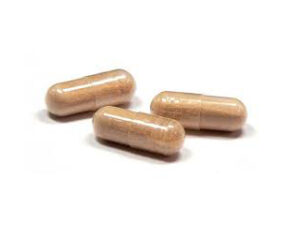
Amalaki is a traditional herbal product commonly associated with Indian gooseberry (Amla)—a fruit widely used in Ayurveda. In Australia, Amalaki products are typically supplied as dietary supplements in capsule, tablet, powder, or liquid form. Many people take Amalaki to support everyday health, with particular interest in immune support, antioxidant intake, and general wellbeing.
This page explains how Amalaki may work, how it is commonly used, what to expect, and practical safety information—written in clear, patient-friendly language for consumers in Australia.
Quick Overview
- Product type: Herbal dietary supplement (varies by brand/form)
- Common active source: Phyllanthus emblica (Amla)
- Common goals: Antioxidant support, immune support, digestive comfort (varies by individual)
- How it’s taken: Usually once or twice daily, often with food (depends on brand)
- Typical forms: Capsules, tablets, powders, liquids
- Key safety considerations: Possible gastrointestinal upset; interactions may occur with certain medicines and conditions (see below)
Basic Product Information
Amalaki refers to products made from Amla (also known as Indian gooseberry). In traditional use, it has been valued for its rich natural compounds—particularly vitamin C and various polyphenols and antioxidants.
Because formulations differ between brands, always check the Supplement Facts on the label. Ingredients and concentrations may vary, for example:
- Extract strength (e.g., standardised to a specific marker)
- Form (powder vs capsule vs extract)
- Additional ingredients (e.g., herbs, binders, flavours)
- Sugar, sweeteners, or preservatives (especially in liquid forms)
Important: If you’re pregnant, breastfeeding, have a medical condition, or take regular medicines, check with a healthcare professional before starting.
Mechanism of Action (How Amalaki May Work)
Amalaki is not a single “drug” with one mechanism. Instead, it contains naturally occurring plant compounds that may contribute to multiple effects. The most commonly discussed mechanisms include:
- Antioxidant activity: Amla contains antioxidants that help neutralise reactive species in the body. This may support protection of cells from oxidative stress.
- Vitamin C and polyphenols: Vitamin C can support normal immune function and collagen formation, while polyphenols may contribute to antioxidant effects.
- Immune support (supportive role): Amla’s antioxidant content and vitamin C may help support the body’s natural defences.
- Digestive comfort: Some users report improved digestive wellbeing, though responses vary and evidence differs by outcome.
Note: Herbal supplements can support general health, but they are not intended to replace medical care for serious conditions.
Pharmacokinetics (Absorption, Metabolism, and Excretion)
“Pharmacokinetics” describes what the body does to a substance—absorption, distribution, metabolism, and elimination. For Amalaki/Amla supplements, detailed pharmacokinetic profiles can vary based on:
- The specific extract (powder vs standardised extract)
- Dose and formulation excipients
- Individual factors (age, gut health, co-ingestion with food)
In general terms, plant compounds from Amla are absorbed after digestion and may undergo:
- Digestive processing: Polyphenols and vitamin C-related compounds become available in the gastrointestinal tract.
- Metabolism: Many polyphenols are metabolised by the gut and liver into smaller compounds.
- Distribution and clearance: Metabolites circulate and are eventually cleared primarily through normal bodily elimination pathways.
Practical expectation: If you notice changes (e.g., digestive comfort or general energy), these may occur gradually over days to weeks rather than immediately. Consistency with your chosen brand and dose is typically more important than timing alone.
Typical Use and Indications
People commonly use Amalaki as a dietary supplement for:
- Antioxidant support as part of a balanced routine
- Immune support during times when general wellbeing is a focus
- Daily nutrition support, particularly for those seeking natural sources of vitamin C and polyphenols
- Digestive wellbeing (individual experiences vary)
Indications (what it may help with):
- Supportive care: Amalaki is generally used to support overall health goals rather than to treat a specific disease.
- When you might consider it: You may consider it if you want to improve antioxidant intake or add vitamin C–containing supplementation alongside diet.
Always follow Australian label instructions and consult a healthcare professional if you have an ongoing condition or plan to use Amalaki in combination with other supplements or medications.
How to Take Amalaki (Dosing and Timing)
Dose varies by product. Always use the dose stated on your specific Amalaki label or as advised by your healthcare professional.
As a general guide (not a substitute for label direction), common adult supplement dosing patterns include:
- Once daily (often with a meal)
- Twice daily for some extracts (morning and evening)
Typical timing approach:
- With food if you experience any stomach sensitivity.
- Morning or early evening for most people.
- If your product is acidic (some amla preparations are), taking with food may reduce potential nausea or reflux.
Example routine (generic)
- Morning: Take the dose with breakfast or shortly after.
- Evening (if label advises twice daily): Take with dinner.
For best results: choose a consistent time and take it daily for at least 2–4 weeks before judging effects (unless your label indicates otherwise).
Food Interactions
Most people can take Amalaki with or without food. However, food can influence comfort and absorption depending on your formulation.
- Taking with meals: may reduce the chance of stomach upset.
- Acid sensitivity: If you have reflux or a sensitive stomach, consider taking it with food.
- Iron-rich diets/complex supplements: If you take iron, consider spacing iron and other supplements that may irritate the stomach (follow label directions and healthcare advice).
Practical tip: If you’re unsure, try taking it with your largest meal for a few days to see how your stomach feels.
Alcohol and Medicine Interactions
Alcohol
Amalaki is generally not described as having a direct “dangerous” interaction with alcohol, but alcohol can affect digestion, liver metabolism, and immune-related wellbeing. For safety and comfort:
- Limit alcohol intake while starting a new supplement.
- If you notice increased stomach irritation, nausea, or reflux, reduce alcohol and consider taking Amalaki with food.
Interactions with medicines
Herbal supplements can interact with medications through multiple pathways (changes in metabolism, absorption, or physiological effects). For Amalaki, interaction potential may depend on:
- Whether the product contains concentrated extracts
- Other herbs combined in the same product
- Your liver and kidney health
- Whether you take medicines regularly
Because interaction evidence can be limited, the safest approach is to review your medicines with a healthcare professional if you take any of the following categories:
- Blood thinning medicines (e.g., warfarin) or high-risk bleeding conditions
- Diabetes medicines (supplement effects may influence blood sugar in some contexts)
- Blood pressure medicines
- Immunosuppressants or conditions affecting immunity
- Chemotherapy or anti-cancer medicines (avoid without medical advice)
- Iron or vitamin C–related regimens (if your total vitamin C intake is high)
What to do:
- If you take regular prescription medicines or have a complex medical history, speak to a pharmacist or doctor before use.
- Keep a simple log of supplement start date, dose, and any symptoms.
Safety Profile: Side Effects and Precautions
Amalaki is commonly used as a supplement, and most people tolerate it well when taken as directed. However, possible side effects and precautions include:
Possible side effects
- Stomach discomfort (nausea, cramps, or mild upset)
- Diarrhoea or loose stools (especially at higher doses or with sensitive digestion)
- Heartburn/reflux (particularly if taken on an empty stomach)
- Headache (uncommon; may relate to sensitivity)
Who should use extra caution
- Pregnancy and breastfeeding: consult a healthcare professional before use.
- Children: use only if the product is labelled for children and dosing is appropriate—otherwise avoid.
- Gastrointestinal disorders: consider starting with the lowest dose and taking with food.
- Bleeding disorders or anticoagulant use: seek medical advice before starting.
- Upcoming surgery: inform your clinician that you use herbal supplements.
- Allergy or sensitivity: discontinue if you develop rash, swelling, or breathing difficulties.
When to stop and get help
Stop taking Amalaki and seek urgent medical advice if you experience:
- Difficulty breathing, swelling of the face/lips/tongue
- Severe or persistent vomiting
- Blood in stool, black/tarry stools, or unusual bruising/bleeding
- Severe abdominal pain
Practical Use Tips (How to Get the Best Experience)
- Start low: If you’re new to Amalaki, start with the lowest dose on the label and increase only if tolerated.
- Take with food: Especially if you have reflux or a sensitive stomach.
- Be consistent: Supplements typically work best with daily or near-daily use, not occasional use.
- Check your total vitamin C intake: If your diet is already rich in fruit/vegetables or you take vitamin C supplements, keep overall intake within reasonable ranges.
- Hydration matters: Drink water regularly to support normal digestion and comfort.
- Track changes: Note any benefits or side effects after 1–2 weeks.
Alternative Options (If Amalaki Isn’t Right for You)
Depending on your goal (antioxidants, immune support, or vitamin C), alternatives may include:
| Goal | Alternative options | Notes |
|---|---|---|
| Antioxidant support | Multivitamins with antioxidants, mixed polyphenol supplements | Choose products with clear standardisation and labelling. |
| Vitamin C intake | Vitamin C tablets/capsules or effervescent vitamin C | May be simpler if you mainly want vitamin C; consider stomach sensitivity. |
| General immune support | Vitamin D (if deficient), zinc (carefully dosed), or evidence-based immune-support formulas | Vitamin D and zinc are commonly discussed nutrients—check total daily intake. |
| Digestive wellbeing | Probiotics, fibre (psyllium), ginger-based supplements | Different mechanisms—pick based on your symptoms and tolerance. |
Food-based alternatives: If your goal is antioxidants or vitamin C, consider amla-free options like citrus, berries, kiwi, capsicum, and leafy greens. Dietary sources may be better tolerated and come with additional nutrients.
Market and Legal Context for Australia
In Australia, many herbal products including Amalaki are marketed as dietary supplements. This means they generally:
- Must be labelled clearly as complementary or nutritional products
- Should not claim to prevent, treat, or cure specific diseases unless approved through the appropriate regulatory pathway
- Are expected to meet manufacturing and quality requirements under Australian frameworks
Label claims matter: When choosing an Amalaki product, look for transparent ingredient lists, standardised extract details (if applicable), and clear serving sizes. Always check whether the product is intended for general wellness versus a specific therapeutic claim.
Quality and safety expectation: Reputable brands should follow good manufacturing practices, provide batch information where possible, and avoid unnecessary contaminants.
Recent Guidance (General Consumer Advice)
Regulatory and healthcare guidance relevant to herbal supplements commonly includes:
- Evidence-based expectations: Supplements support health but are not cures.
- Watch for interactions: Herb–drug and supplement–supplement interactions can occur.
- Choose trusted brands: prioritise clear labelling and quality controls.
- Be cautious with high-dose or multi-herb blends: more ingredients can increase interaction risk and side effects.
If you’re taking multiple supplements, it can help to review them together with a pharmacist for safety.
Delivery and Availability in Australia
Amalaki supplements are commonly available in Australia through health stores and online retailers. Availability depends on:
- Stock from your preferred brand
- Your chosen format (capsules, tablets, powder, liquid)
- Seasonal demand and shipping schedules
Online delivery: Many Australian online pharmacies and supplement suppliers offer standard and express shipping. Delivery times vary by location and carrier service level. To ensure a smooth experience, consider:
- Checking expected delivery windows at checkout
- Verifying product strength and dosage on the listing
- Storing the product as directed (keep in a cool, dry place)
Storage tip: Herbal supplements should be protected from heat, moisture, and direct sunlight to maintain quality.
Frequently Asked Questions (FAQ)
1) What is Amalaki made from?
Amalaki products usually derive from Amla (Indian gooseberry, Phyllanthus emblica). Exact formulation varies by brand and may include extracts or powders, plus fillers or additional ingredients depending on the product type.
2) How long does it take to work?
Some people notice digestive comfort or general wellbeing within days, while others prefer to evaluate changes after 2–4 weeks of consistent use. Results can vary based on diet, lifestyle, and the product’s strength.
3) Can I take Amalaki with food?
Yes, many people take Amalaki with meals, especially if they experience stomach sensitivity. If your label provides specific guidance, follow the label.
4) Can I take it on an empty stomach?
It’s possible, but some preparations may feel acidic or irritating for certain individuals. If you have reflux or a sensitive stomach, start with taking it with food.
5) Is Amalaki safe for everyone?
Most people tolerate it well, but it may not be suitable for everyone. Extra caution is recommended for people who are pregnant or breastfeeding, children, those with gastrointestinal issues, or anyone taking medicines that may interact.
6) Are there drug interactions?
Potential interactions depend on your medicines and the product formulation. If you take regular medication—especially blood thinners, diabetes medicines, or immune-related therapies—speak with a pharmacist or doctor before starting.
7) Does Amalaki interact with alcohol?
No common serious interaction is widely highlighted, but alcohol can worsen digestion and may affect how your body handles supplements. For best comfort and safety, limit alcohol when starting and take Amalaki with food if needed.
8) What side effects should I watch for?
Commonly reported side effects (if they occur) include mild stomach upset, nausea, diarrhoea, or reflux—often improved by lowering the dose or taking with meals.
9) How should I choose the right Amalaki product?
Look for:
- Clear ingredient and serving size information
- Standardised extract details when available
- Reasonable dosing instructions
- Reputable brand quality practices
10) What are alternatives if I don’t feel well on Amalaki?
If you don’t tolerate Amalaki, consider alternatives aligned to your goal—such as vitamin C (for vitamin C focus), probiotics or fibre (for digestion), or other antioxidant-support options.
Summary
Amalaki is an Amla-based herbal supplement commonly used for supportive goals such as antioxidant intake and immune wellbeing, with some users also seeking digestive comfort. When taken as directed, it is generally well tolerated, though mild gastrointestinal side effects can occur—often reduced by taking it with food.
For best results and safety, choose a product with clear labelling, follow the recommended dose, and consider your existing health conditions and medicines. If you have questions, a pharmacist can help you check suitability and minimise interaction risk.