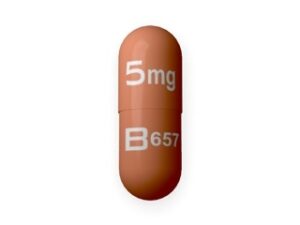
Pletal (Cilostazol) – Patient Guide (Australia)
Pletal is a medicine containing cilostazol. It is used to improve walking ability in certain people with poor blood flow to the legs. This guide explains how Pletal works, how it is taken, likely benefits, important safety information, and practical tips for using it effectively in Australia.
Note: Medicines affect people differently. Always follow the advice of your healthcare professional and read the consumer medicine information (CMI) included with your product.
1. Basic product information
| Feature | Details |
|---|---|
| Medicine name | Pletal (cilostazol) |
| Active ingredient | Cilostazol |
| Common form | Tablets (strengths vary by market/pack) |
| Typical dosing pattern | Often taken twice daily |
| Therapeutic area | Peripheral arterial disease (PAD) / intermittent claudication |
2. What is cilostazol used for in Australia?
Pletal is commonly used to treat symptoms caused by reduced blood flow to the legs, particularly:
- Intermittent claudication (pain or cramping in the legs during walking that improves with rest), due to peripheral arterial disease.
For many people, the goal is to:
- Increase the distance you can walk before pain starts
- Improve walking performance and quality of life
- Reduce symptoms associated with arterial narrowing
3. How Pletal works (mechanism of action)
Cilostazol is an antiplatelet and vasodilator medicine. It works in several ways that may help blood flow and improve walking ability:
- Inhibits platelet aggregation: It reduces the tendency of platelets to clump together, which can contribute to poor circulation.
- Improves microcirculation: It may help widen small blood vessels.
- Increases levels of cAMP: Cilostazol inhibits phosphodiesterase (PDE) enzymes, which can raise cyclic AMP (cAMP) and support vascular effects.
- Supports flexibility of blood flow: By improving blood vessel tone and platelet behaviour, it can help maintain better perfusion during activity.
Important: Pletal treats symptoms related to walking in PAD. It does not “cure” arterial disease, and ongoing lifestyle measures and medical management of cardiovascular risk remain essential.
4. Indications: when doctors consider Pletal
In clinical practice, Pletal is considered for people with:
- Peripheral arterial disease with intermittent claudication where symptoms limit walking
It may be used alongside other treatments that address the underlying risks (for example, cholesterol-lowering therapy, blood pressure management, and smoking cessation strategies).
Contraindications and extra caution: Some conditions may make cilostazol unsuitable (see the Safety Profile section below).
5. Typical dosing and timing (general information)
Dosing can vary based on your individual health profile, other medicines, and tolerability. The most common approach is to take cilostazol twice daily.
Common timing
- Twice daily dosing is often spaced evenly (for example, morning and evening).
- Try to keep doses at similar times each day.
How to take
- Take the tablet with water.
- You can take it with or without food (see food and alcohol interactions for details).
- If you miss a dose, do not take a double dose. Take the next dose at the usual time.
Assess response: If cilostazol is working, people typically notice improvement in walking capacity over weeks rather than overnight. If there is little or no improvement, your healthcare professional may review the treatment plan.
6. Pharmacokinetics (how the body processes cilostazol)
Pharmacokinetics explains absorption, distribution, metabolism, and elimination—how the body handles the drug.
- Absorption: Cilostazol is absorbed after oral administration.
- Peak levels: Blood levels rise after dosing and reach a peak within a few hours (the exact timing may vary between individuals).
- Protein binding: Cilostazol is substantially bound to plasma proteins.
- Metabolism: Cilostazol is metabolised primarily in the liver, involving enzyme pathways such as CYP3A4 and CYP2C19. This matters because some medicines can significantly affect cilostazol levels.
- Elimination: Metabolites are excreted mainly through the kidneys (urine), with some elimination through other routes.
- Half-life: Cilostazol has a moderate duration of action, which supports the usual twice-daily schedule.
Why this matters for you: Medicines that inhibit or strongly induce CYP enzymes may increase or decrease cilostazol exposure, affecting safety and effectiveness.
7. Food interactions
For most people, cilostazol can be taken with or without food. However, food may affect how quickly the medicine reaches peak levels.
- With meals: Taking with food may slow absorption somewhat, but it typically does not reduce overall benefit.
- Consistency helps: Choose a routine (with or without food) and stay consistent day-to-day to avoid variability.
Practical tip: If you notice stomach discomfort when taken on an empty stomach, taking it with a meal or snack may improve tolerability.
8. Alcohol and medicine interactions
Alcohol
There is no single “universal” rule for alcohol with cilostazol, but alcohol can increase the risk of side effects such as dizziness, headache, and bleeding (especially in higher amounts). Because cilostazol affects platelet function, consider the following:
- Moderation is advised. If you drink, keep it within your usual safe limits.
- Avoid binge drinking. It may increase side effects and complicate symptom recognition.
Medicine interactions (important)
Cilostazol may interact with other medicines in ways that can change bleeding risk or drug levels.
Key interaction categories:
- Other antiplatelet medicines (for example, aspirin or clopidogrel): may increase bleeding tendency.
- Anticoagulants (blood thinners such as warfarin or direct oral anticoagulants): may increase bleeding risk. Close monitoring may be needed.
- Strong CYP3A4/CYP2C19 inhibitors (examples include some azole antifungals and certain macrolide antibiotics): may raise cilostazol levels, increasing the chance of side effects such as headache, palpitations, or bleeding.
- CYP inducers: may lower cilostazol levels and reduce effectiveness.
Also consider: medicines that affect heart rhythm or lower potassium/magnesium may contribute to cardiovascular side effects in susceptible individuals.
Always inform your healthcare professional about:
- All prescription medicines
- Over-the-counter products (including pain relief medicines)
- Herbal supplements (for example, ginkgo may affect bleeding risk)
9. Safety profile and precautions
Like all medicines, Pletal (cilostazol) can cause side effects. Most are mild to moderate, but some require urgent medical attention.
Common side effects
- Headache
- Dizziness
- Palpitations (awareness of heartbeat)
- Gastrointestinal symptoms such as diarrhoea, nausea, or indigestion
- Swelling (e.g., fluid retention) in some people
Serious side effects – seek urgent help
Contact emergency services or seek urgent medical advice if you experience:
- Signs of bleeding: unusual bruising, black/tarry stools, vomiting blood, blood in urine, or prolonged bleeding from cuts
- Chest pain, fainting, severe dizziness, or symptoms of a serious heart rhythm problem
- Allergic reactions: swelling of face/lips, rash with breathing difficulty
Who should avoid cilostazol?
Cilostazol may not be suitable for some individuals. Common reasons include:
- Heart failure (especially with reduced ejection fraction, as cilostazol has been associated with increased risk in certain heart failure populations)
- Known intolerance or prior significant adverse reaction to cilostazol
- Active bleeding disorders or conditions with high bleeding risk
Additional precautions
- Blood counts: Rarely, medicines like cilostazol can affect blood cell counts. Your healthcare professional may consider monitoring if risk factors exist.
- Cardiovascular assessment: If you have a history of rhythm disorders, your clinician will weigh benefits and risks.
- Kidney or liver impairment: Dosage and monitoring may be adjusted.
Tell your clinician if you are pregnant, trying to conceive, breastfeeding, or have liver/kidney disease.
10. Practical use tips for better results
Pletal works best as part of a broader PAD plan. Consider these practical tips:
- Combine with supervised exercise or a structured walking plan, if available. Exercise can substantially improve claudication symptoms.
- Track your walking ability: note how far you can walk before pain starts and how long it takes for rest to relieve symptoms.
- Take doses consistently at the same times each day.
- Don’t stop suddenly without discussing with your healthcare professional.
- Know your risk factors: keep blood pressure, cholesterol, and diabetes (if present) under control.
- Avoid smoking: quitting is one of the most effective ways to slow PAD progression.
If you experience bothersome side effects (for example, persistent headaches or palpitations), don’t ignore them—speak with your clinician. They may adjust the plan or review interacting medications.
11. Alternatives to Pletal for intermittent claudication
There are several other approaches used for PAD-related claudication symptoms. Choice depends on severity, other medical conditions, and response to treatment.
Medication alternatives
- Other antiplatelet strategies (often aspirin or clopidogrel), depending on overall cardiovascular risk profile.
- Cholesterol-lowering therapy (statins) to reduce atherosclerotic progression.
- Blood pressure and diabetes management to improve vascular health.
Non-medication options
- Exercise therapy (structured walking programs, including supervised options).
- Smoking cessation and lifestyle changes.
- In selected cases, referral to a vascular specialist for procedures such as angioplasty or bypass may be considered if symptoms are severe or progressive despite medical therapy.
Important: The best alternative depends on your diagnosis and overall cardiovascular risk. Your clinician can explain the options most appropriate for you.
12. Market and legal context for Australia
In Australia, medicines are regulated under the Therapeutic Goods Administration (TGA) framework. Patient access depends on product classification, prescribing arrangements, and clinical assessment.
In general terms:
- Access to prescription medicines is guided by Australian regulations and clinical requirements.
- Healthcare professionals consider suitability, interactions, and safety monitoring.
- Consumers can request information about a medicine’s approved indications and conditions from reliable sources, including the TGA and the product’s CMI.
Recent guidance: Clinical approaches to PAD often emphasize structured exercise, cardiovascular risk reduction, and symptom-directed therapy. Treatment decisions may evolve as new evidence emerges, so staying aligned with your healthcare provider’s current plan is important.
13. Delivery and availability (online pharmacy)
Availability can vary by supplier and stock levels. When ordering online, you can typically expect:
- Order processing: usually after verification and preparation of your items.
- Delivery timelines: vary by location within Australia (state/territory and postal service routes).
- Packaging: medicines are typically dispatched in protective, tamper-evident packaging.
- Cold chain: generally not required for cilostazol tablets (unless stated for a specific product/brand).
Storage: Keep tablets in their original packaging, at room temperature away from moisture and heat, and out of reach of children.
If you need a specific strength or pack size, check product listing details before ordering.
14. FAQ
How long does it take for Pletal to work?
Many people notice changes over weeks. The walking improvement should be assessed after an initial trial period suggested by your healthcare professional. If there is no meaningful benefit, your clinician may review the treatment.
Can I take Pletal with food?
Yes, cilostazol can usually be taken with or without food. Taking it with a meal may help if you get stomach upset.
What should I do if I miss a dose?
Take it as soon as you remember unless it is close to your next dose. Do not double up. If unsure, contact your pharmacist or healthcare professional.
Is Pletal safe with aspirin or clopidogrel?
It may be used with some antiplatelet therapies in selected patients, but combining medicines can increase bleeding risk. Your healthcare professional should review your medication list and decide what is appropriate.
Can I drink alcohol while taking cilostazol?
Moderation is generally advised. Heavy alcohol intake can increase risks such as dizziness or bleeding. If you have concerns, discuss your individual situation with your clinician.
Does Pletal affect heart rate?
Some people experience palpitations or a faster heartbeat. Seek medical advice promptly if you feel faint, have chest pain, or experience severe or persistent symptoms.
Who should not use Pletal?
Cilostazol is often avoided in people with certain conditions, such as heart failure, and in situations with higher bleeding risk. Always confirm suitability with your healthcare professional.
What monitoring might be needed?
Monitoring needs vary. Your clinician may consider blood tests, review of symptoms, and assessment of walking benefits. If you have liver/kidney impairment or other risk factors, monitoring may be more important.
Are there lifestyle steps that help claudication?
Yes. Structured exercise training is a cornerstone of PAD management. Smoking cessation, controlling cholesterol, blood pressure, and diabetes, and maintaining healthy activity levels can make a significant difference.
What if I experience side effects?
Common effects like headache or mild gastrointestinal upset may improve with time. However, if side effects are severe, persistent, or involve bleeding, seek medical advice promptly.
Final reminder: This guide is for general information only. Your healthcare professional can personalise advice based on your diagnosis, medical history, and current medications.