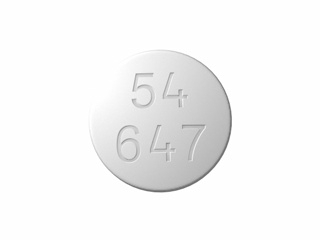

Cycrin (Medroxyprogesterone) – Patient Information
Cycrin contains medroxyprogesterone, a medicine used for hormonal conditions in women. This page explains how Cycrin works, when it’s used, how to take it safely, and what to expect. It’s written for people in Australia and includes practical guidance about interactions, side effects, and availability.
1. Basic product information
| Item | Details |
|---|---|
| Medicine name | Cycrin |
| Active ingredient | Medroxyprogesterone |
| Medicine type | Progestogen (synthetic progesterone) |
| Common forms | Oral tablets (strengths vary by product listing) |
| Therapeutic uses | Hormone-related conditions (for example, abnormal uterine bleeding, certain endometrial issues, and other progestogen-responsive indications) |
| How it works | Helps regulate the endometrium (uterine lining) and influences ovulation-related hormone activity |
Note: Always check the specific strength and dosing instructions on your own product packaging and the information leaflet supplied with your medicine.
2. How Cycrin works (mechanism of action)
Medroxyprogesterone is a progestogen—a hormone that mimics the actions of progesterone in the body.
- Stabilises and regulates the endometrium: Progesterone-like effects help transform and maintain the uterine lining (endometrium) and can reduce irregular growth.
- Supports cycle regulation: By influencing the hormones involved in the menstrual cycle (through feedback effects on the brain and ovaries), medroxyprogesterone may help bring bleeding patterns under control.
- May reduce progestogen-responsive abnormal bleeding: In certain causes of abnormal uterine bleeding, progestogens can help correct the hormonal imbalance.
- Other hormone-responsive effects: Depending on the condition being treated, progestogens can affect growth and hormone signalling in tissue types that respond to progesterone.
3. Pharmacokinetics (how the body handles Cycrin)
Pharmacokinetics describes how the body absorbs, distributes, metabolises, and eliminates a medicine.
- Absorption: Medroxyprogesterone is absorbed after oral administration. The exact rate can vary between people.
- Distribution: It distributes through the body, including reaching target tissues.
- Metabolism: It is primarily metabolised in the liver (by enzymes such as those in the CYP system).
- Elimination: Metabolites are mainly eliminated via urine and/or faeces, depending on metabolism and individual factors.
- Half-life: The time it takes for blood levels to fall by half can vary, but medroxyprogesterone is generally considered to have a duration that can support once or twice daily regimens depending on indication and formulation.
Your prescriber and the product directions are designed around these properties to achieve the intended hormonal effect while minimising side effects.
4. Typical uses in Australia
Cycrin (medroxyprogesterone) is used for hormone-responsive conditions, particularly those involving the uterus and menstrual bleeding. Common reasons include:
- Abnormal uterine bleeding due to hormonal imbalance (where progestogen treatment is appropriate)
- Endometrial protection in certain hormone therapy contexts (depending on the overall regimen and clinical situation)
- Other progestogen-responsive conditions, as determined by your clinician
Important: Indications can differ based on age, medical history, and individual risk factors. If you’re unsure why Cycrin has been recommended for you, speak with your healthcare professional.
5. When and how to take Cycrin (timing and dosing principles)
How you take Cycrin depends on the condition being treated and the dose prescribed. The guidance below provides general principles.
Timing
- Choose a consistent time: Taking your dose at the same time each day can help you remember and maintain steadier hormone levels.
- Follow a schedule if it’s cyclical: Some regimens are taken for specific days of the cycle rather than continuously. If your treatment is cyclical, it’s crucial to follow the exact calendar approach.
- If you miss a dose: Take it when you remember unless it’s close to the next dose. Avoid doubling doses. If you’re unsure, check your product leaflet or seek advice from your pharmacist.
Dosing (general information)
Because dosing varies by indication and by the specific product strength, you should follow the directions provided with your medicine. Doses may be:
- Low to moderate oral doses for short courses to control bleeding or for endometrial regulation
- Different dosing patterns (continuous or cyclical), depending on the clinical aim
Do not change your dose or stop Cycrin without medical advice.
6. Food interactions
For many people, medroxyprogesterone tablets can be taken with or without food. Food usually does not dramatically affect the intended effect.
- If you get nausea: Taking with a light meal or after food may improve tolerability.
- Consistency matters: Take it similarly each day to avoid unnecessary stomach upset.
If your product leaflet advises otherwise, follow the leaflet instructions.
7. Alcohol interactions and safety
There is no single universal rule that alcohol is absolutely forbidden with medroxyprogesterone. However, alcohol can affect:
- Drowsiness or dizziness in some people
- Nausea or stomach discomfort
- Hormonal and cycle effects indirectly (for example, by worsening sleep or overall health habits)
Practical advice: If you drink alcohol, consider limiting intake and monitor how you feel. If you experience worsening side effects (such as dizziness, mood changes, or headaches), reduce or avoid alcohol and seek advice from your healthcare professional.
8. Medicine interactions (other medicines that may matter)
Medroxyprogesterone can interact with other medicines, mainly through liver metabolism or changes in hormone effects. This may affect either Cycrin levels or the levels/effects of other medicines.
Medicines that may reduce medroxyprogesterone effectiveness
- Enzyme-inducing medicines (commonly: some anti-seizure medicines, some tuberculosis treatments, and certain herbal products like St John’s wort)
- Other hepatic enzyme modifiers (interaction potential depends on the specific medicine)
Medicines that may increase side effects or affect safety
- Medicines with hormone-related risks (for example, those that also affect clotting risk)
- Medicines that affect blood clotting or anticoagulation (your clinician may monitor you more closely)
Herbal and complementary products
- St John’s wort is a common concern because it can affect drug metabolism.
- Always tell your pharmacist about any supplements, vitamins, or herbal products you use.
Tip: Keep a list of all medicines you take (including over-the-counter products) and review it with your pharmacist to check for interactions.
9. Indications and treatment goals
“Indication” means the condition the medicine is used to treat. For Cycrin, typical goals depend on the reason it was started:
- Controlling abnormal uterine bleeding: The goal is often to regulate endometrial activity and reduce unexpected bleeding.
- Supporting hormone therapy plans: In some cases, medroxyprogesterone is used to provide progestogen effect alongside oestrogen therapy to protect the endometrium, depending on the overall regimen.
- Managing hormone-responsive disease processes: For progestogen-responsive conditions, the goal may be to influence hormone-driven growth or symptoms.
Your healthcare professional should explain the intended outcome and how long it will take to assess response.
10. Safety profile (who should be extra careful)
Like all medicines, Cycrin can cause side effects. Most people tolerate progestogens well, but certain risks are important to recognise—especially those related to hormone therapy.
Common side effects
- Headache
- Nausea or stomach discomfort
- Bloating or fluid retention
- Breast tenderness
- Mood changes (including irritability)
- Changes in menstrual bleeding (spotting, irregular bleeding, or sometimes reduced bleeding)
- Fatigue
Less common but serious risks
Certain people have higher risk for serious complications with hormonal medicines. Seek urgent medical attention if you develop symptoms suggestive of a serious problem.
- Signs of blood clots (for example: sudden leg swelling/pain, chest pain, shortness of breath, coughing blood, sudden weakness/numbness on one side, sudden trouble speaking, or sudden severe headache)
- Vision changes or severe eye pain
- Severe abdominal pain or yellowing of the skin/eyes (possible liver issue)
Special caution factors
Discuss your individual risk with a clinician if you have or had:
- A history of blood clots or clotting disorders
- Unexplained vaginal bleeding
- Severe liver disease
- Breast cancer or other hormone-sensitive cancers (based on your medical history)
- Recent surgery or prolonged immobility
Do not ignore symptoms: If you feel unwell in a way that worries you, contact a healthcare professional promptly.
11. Practical use tips for best results
- Use a reminder system: Phone alarms, calendar alerts, or pill boxes can reduce missed doses.
- Track bleeding and symptoms: Keep notes on spotting, cycle changes, mood, headaches, and any unusual symptoms—this helps clinicians assess whether the medicine is working.
- Maintain good general health habits: Regular sleep, hydration, and balanced nutrition can reduce fatigue and nausea for many people.
- Be mindful of when you start: If your regimen is cyclical, mark the start date and the days you take each dose.
- Don’t stop suddenly: Stopping without guidance can lead to hormonal fluctuations and changes in bleeding.
12. Missed dose guidance (general)
If you miss a dose:
- Take it as soon as you remember if it is not close to the next scheduled dose.
- If it’s nearly time for the next dose, skip the missed dose and continue your schedule.
- Do not take double doses to catch up.
Because regimens vary, follow the advice in your product leaflet or ask a pharmacist for personalised guidance.
13. Alternative options
Depending on the reason you’re taking Cycrin, clinicians may consider other therapies. Options vary and may include:
- Other progestogens (different medicines with progesterone-like effects)
- Hormonal contraceptives in appropriate situations to help regulate bleeding
- Non-hormonal approaches where appropriate for abnormal bleeding
- Procedural options in selected cases (based on cause of bleeding and severity)
Your clinician can help compare benefits and risks for your specific situation. If you’re interested in alternatives, ask your pharmacist or healthcare professional what may be suitable.
14. Market and legal context in Australia (availability and regulations)
In Australia, medicines are regulated by the Therapeutic Goods Administration (TGA). Availability depends on the product’s scheduling status, and prescribing/dispensing requirements are set by Australian health regulations. Online pharmacies in Australia typically operate within these regulatory frameworks and provide medicines only through appropriate pathways.
What this means for you:
- Always ensure you’re ordering from a pharmacy that complies with Australian laws and provides accurate product information.
- Check that the strength and directions match your treatment plan.
- Keep packaging and the consumer medicine information leaflet for reference.
15. Recent guidance and monitoring (what to expect)
Over time, guidance around hormonal medicines can evolve as new safety information becomes available. In Australia, clinicians commonly monitor:
- Response to treatment: bleeding pattern changes and symptom improvement
- Potential adverse effects: especially those related to hormone therapy risks
- Ongoing health factors: blood pressure, weight changes, and personal risk profile
If you’re taking Cycrin as part of a longer-term plan, you may be advised to attend follow-up appointments or routine reviews.
16. Delivery and availability (Australia)
Online pharmacies in Australia often provide delivery to residential addresses across many regions. Availability can vary by stock levels and by the specific tablet strength.
- Before ordering: confirm the exact product strength listed (tablet strength can vary).
- Delivery estimates: typically shown at checkout and may depend on location.
- Packaging: medicines are generally shipped in protective packaging to reduce damage during transit.
If your order is time-sensitive (for example, if you’re nearing the next dose date), contact customer support to confirm dispatch and delivery timing.
17. FAQ
What is Cycrin used for?
Cycrin (medroxyprogesterone) is a progestogen used for hormone-related conditions, commonly involving abnormal uterine bleeding and other progestogen-responsive problems. The exact reason depends on your individual diagnosis.
How long does it take to work?
Some people notice changes in bleeding patterns within the first course, but the timing varies by indication and by how your body responds. Your clinician can provide an expected timeframe for your situation.
Can I take Cycrin with food?
In general, you can take medroxyprogesterone tablets with or without food. If you experience nausea, taking it after a light meal may help.
Is alcohol safe while taking Cycrin?
Moderate alcohol may be tolerated by many people, but alcohol can worsen side effects like dizziness or nausea. If you notice any adverse effects, reduce or avoid alcohol and seek advice if symptoms persist.
What should I do if I miss a dose?
Take the missed dose as soon as you remember unless it is close to the next scheduled dose. Do not double up. If you’re uncertain, ask your pharmacist for advice based on your dosing schedule.
What are serious side effects I should watch for?
Seek urgent medical help for symptoms that may indicate a blood clot (such as sudden shortness of breath, chest pain, severe leg pain/swelling, weakness on one side, or sudden trouble speaking), severe abdominal pain, or yellowing of the skin/eyes.
Can I stop Cycrin when my symptoms improve?
Do not stop or change the dose without medical advice. Stopping can cause bleeding irregularities and may reduce effectiveness for your condition.
Are there drug interactions?
Yes. Some medicines—especially those that affect liver enzymes—may change how medroxyprogesterone works. Tell your pharmacist about all medicines and supplements you take.
Are there alternatives to Cycrin?
Depending on your condition, alternatives may include other progestogens, hormonal regimens, or non-hormonal options. Your healthcare professional can help decide what’s most suitable for you.
How is Cycrin supplied in Australia?
Supply and legal requirements follow Australian regulations administered through the TGA framework. Online pharmacies operate under Australian compliance standards and provide information to help you choose the right product and strength.
Disclaimer: This information is general and not a substitute for advice from a pharmacist or doctor. If you have questions about your specific condition, side effects, or interactions, contact a healthcare professional.