Cilostazol (Oral Tablets) — Patient-Friendly Guide (Australia)
Cilostazol is a medicine used to improve blood flow in certain conditions involving narrowed arteries. It works by helping prevent blood cells from sticking together and by relaxing blood vessels, which can reduce symptoms such as leg pain when walking (often called “intermittent claudication”). This guide explains how cilostazol works, how it’s taken, key safety information, and practical tips for day-to-day use in Australia.
Basic Product Information
| Category | Details |
|---|---|
| Active ingredient | Cilostazol |
| Common form | Oral tablets |
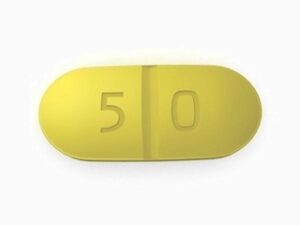
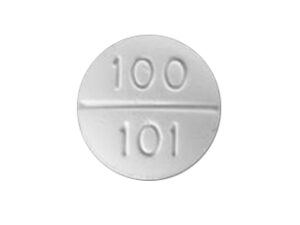
| Typical strength (varies) | Often available as 50 mg or 100 mg tablets in many markets |
| Medicinal class | Antiplatelet / vasodilator (PDE inhibitor) |
| How it’s used | Usually taken as a regular course to improve walking symptoms |
Brand names may vary by supplier and by availability in Australia. Always check the carton and label for the exact strength and directions.
What Cilostazol Does (Mechanism of Action)
Cilostazol helps by acting on two major pathways:
- Antiplatelet effect: It inhibits platelet aggregation (the “clumping” of blood platelets). This helps reduce the tendency for small clots to form in narrowed arteries.
- Vasodilation: It relaxes blood vessel walls, improving blood flow to tissues, particularly in the legs.
Cilostazol is a phosphodiesterase (PDE) inhibitor. By blocking PDE activity (especially the PDE3 pathway), it increases levels of cAMP in platelets and vessel muscle cells, leading to:
- Less platelet stickiness
- Increased vessel relaxation
Pharmacokinetics (How the Body Handles Cilostazol)
Understanding pharmacokinetics can help you know what to expect with dosing and timing.
Absorption
Cilostazol is absorbed after oral administration. The extent of absorption can be influenced by food, although most people can take it successfully with consistent routine.
Distribution
It distributes throughout the body and binds substantially to plasma proteins.
Metabolism
Cilostazol is metabolised mainly in the liver. Metabolism involves pathways that include CYP enzymes. This is important because some medicines can significantly alter blood levels of cilostazol.
Elimination
Cilostazol and its metabolites are eliminated primarily via the kidneys (urine) and partly via other routes. In some people, kidney or liver changes may require extra care or dose adjustment under medical advice.
Half-life (general concept)
Cilostazol has a plasma half-life that supports use more than once per day. The exact duration varies by individual and by co-administered medicines that affect liver enzymes.
Typical Use in Australia
Cilostazol is commonly used to help improve symptoms of peripheral arterial disease—particularly when blood flow to the legs is reduced. The most well-known symptom is:
- Intermittent claudication: cramping, pain, or fatigue in the legs during walking that improves with rest
Cilostazol may help by improving walking tolerance and reducing symptoms in selected patients.
It is often used alongside broader cardiovascular risk management (for example, lifestyle measures and other medicines chosen by your healthcare team).
Indications (When Cilostazol Is Used)
In clinical practice, cilostazol is indicated for:
- Intermittent claudication due to peripheral arterial disease (to improve walking distance and reduce symptoms)
Use should be guided by a clinician who confirms the underlying cause of leg symptoms and evaluates cardiovascular risk.
How to Take Cilostazol (Dosing and Timing)
Dosing can vary depending on the tablet strength and individual factors such as other medicines, age, liver function, and tolerability. Below are general patient-friendly dosing principles.
Typical adult dosing approach
- Most regimens are taken twice daily.
- Common starting doses in many settings have historically been 50 mg twice daily, with possible adjustments based on response and tolerability.
Do not change your dose without advice from your healthcare provider. If you miss a dose, take it when you remember unless it is close to the next scheduled dose—then skip the missed dose and continue as normal.
Timing tips
- Try to take doses at roughly 12-hour intervals.
- Use a consistent routine (e.g., morning and evening with your usual meals).
- If nausea occurs, some people find it easier to take the tablet with food—see the food interaction section for guidance.
Duration of treatment
Improvement (such as walking distance) may take some time. Many patients notice changes after several weeks. If there is no benefit or symptoms worsen, your clinician should reassess the plan.
Food Interactions (Taking Cilostazol With Meals)
Food can affect how quickly and how much cilostazol is absorbed. In general:
- It’s usually okay to take cilostazol with meals to help reduce stomach upset.
- Try to be consistent from day to day (take it the same way relative to meals) to avoid fluctuations in blood levels.
If your pharmacist advises a specific method (for example, taking with or without food), follow that advice.
Alcohol and Medicine Interactions
Alcohol
Alcohol can increase the risk of dizziness, headaches, stomach irritation, or other side effects for some medicines. While there isn’t a universal “absolute” prohibition with cilostazol, it’s wise to:
- Limit alcohol, especially during the first days of treatment.
- Be cautious if you notice dizziness or flushing.
Other medicines that may interact
Cilostazol can interact with other drugs, mainly because:
- Some medicines alter the enzymes that metabolise cilostazol
- Some medicines affect bleeding risk or heart rhythm
Tell your pharmacist or clinician about all medicines and supplements you take, including over-the-counter products.
Important interaction categories include:
- Drugs that inhibit CYP enzymes (may increase cilostazol levels): examples can include certain antifungals and some antibiotics.
- Drugs that induce CYP enzymes (may reduce cilostazol effect): examples can include certain seizure medications and some herbal products.
- Other antiplatelet or anticoagulant medicines (may increase bleeding risk): for example, aspirin, clopidogrel, warfarin, apixaban, rivaroxaban, or similar agents—use depends on your clinical situation.
- Medicines affecting heart rhythm or rate: cilostazol may influence cardiovascular effects in some people; caution is important if you take anti-arrhythmics or rate-controlling drugs.
- Some blood pressure or heart medicines: combined effects (e.g., dizziness) can occur in sensitive individuals.
Your pharmacist can check interactions using Australian medicines databases and your medication list.
Safety Profile (Common and Serious Side Effects)
Like all medicines, cilostazol can cause side effects. Many people tolerate it well, but it’s important to know what to watch for.
Common side effects
- Headache
- Dizziness
- Palpitations (awareness of heartbeat)
- Nausea or stomach discomfort
- Diarrhoea
- Swelling (fluid retention) in some cases
- Flushing or feeling warm
Serious side effects (seek urgent medical help)
Contact urgent medical services or seek immediate help if you experience:
- Signs of bleeding: unusual bruising, black/tarry stools, blood in stool or urine, vomiting blood, coughing blood
- Chest pain, fainting, severe shortness of breath, or sudden worsening cardiovascular symptoms
- Severe allergic reaction: swelling of face/lips/tongue, hives, trouble breathing
- Severe or persistent rapid heartbeat with dizziness or weakness
Key caution: heart failure
Cilostazol has specific cautions related to heart failure. People with certain types or severity of heart failure may be advised not to use cilostazol or to use it only with specialist guidance.
Who needs extra monitoring
- People with liver impairment
- People with kidney problems
- People taking multiple medicines that can affect bleeding or heart rhythm
- Older adults who may be more prone to dizziness or falls
Practical Use Tips (Make Treatment Easier)
- Track symptoms: note your walking tolerance (e.g., how far you can walk before pain) and any changes over weeks.
- Stand up slowly: if you feel light-headed, rise gradually from sitting or lying down.
- Hydration matters: maintain adequate fluid intake (unless you’ve been instructed to limit fluids).
- Take consistently: same time of day and relative to meals each day.
- Watch bleeding signs: if you bruise more easily or notice blood in stool/urine, seek advice promptly.
- Review your medication list: ask your pharmacist to check new prescriptions, over-the-counter products, and herbal supplements.
What to Do If You Miss a Dose
- Take it as soon as you remember if it’s not close to the next dose.
- If it is near the next scheduled dose, skip the missed dose.
- Do not double to make up for a missed tablet.
If you miss several doses or you’re unsure what to do, contact your pharmacist for guidance.
Alternative Options (Other Approaches for Peripheral Arterial Disease)
Treatment for intermittent claudication often includes both lifestyle and medical therapy. Alternatives may include:
Non-medicine options
- Supervised exercise therapy (structured walking programmes)
- Smoking cessation (if applicable)
- Foot care and skin checks
- Risk factor management: controlling cholesterol, blood pressure, and diabetes
Medicine options (discuss with your clinician)
- Other antiplatelet therapies used to reduce cardiovascular risk
- Cholesterol-lowering medicines (statins) for overall vascular protection
- Blood pressure medicines where needed
Some patients may be evaluated for procedures such as angioplasty or bypass depending on the anatomy and severity of blockage. The “best” alternative depends on your symptoms and test results.
Market and Legal Context for Australia
In Australia, medicines are regulated through the Australian Register of Therapeutic Goods (ARTG) and must meet safety, quality, and manufacturing standards. Availability varies by product type and classification.
When buying medicines online in Australia, reputable suppliers provide:
- clear product information
- the correct Australian labelling
- secure ordering and delivery details
- guidance on storage and safe use
For medicines that require clinician oversight, always follow the directions provided by your healthcare team and the instructions on the pack.
Recent Guidance (Practical Notes for Patients)
Guidance for peripheral arterial disease and antiplatelet/vasodilator therapies can evolve as new evidence is published. In recent years, common themes across clinical practice include:
- Exercise therapy emphasis as a foundational treatment for claudication
- Cardiovascular risk management (cholesterol, blood pressure, diabetes control, smoking cessation)
- Individualised medicine choice based on symptom severity, comorbidities, and interactions
- Medication review for interactions, especially when patients take multiple medicines that affect bleeding risk or liver enzyme metabolism
If you have a current treatment plan, it’s helpful to ask your clinician or pharmacist how cilostazol fits with your overall cardiovascular care.
Delivery and Availability (Australia)
Availability of cilostazol tablets can vary by supplier and stock levels. When purchasing online, look for:
- the exact tablet strength listed
- the expiry date and batch details where provided
- clear delivery timeframes for your state or region
- shipping information including temperature or handling requirements (most tablets are stable at room temperature unless otherwise stated)
Delivery options may include standard shipping and express services depending on the pharmacy and destination. Keep tablets in a cool, dry place away from direct sunlight.
Tip: If you’re starting treatment, ensure your delivery arrives with enough time so you don’t run out before your next scheduled supply.
FAQ: Cilostazol (Patient Questions)
1) What is cilostazol used for?
Cilostazol is used to improve symptoms of intermittent claudication (leg pain or cramping when walking due to reduced blood flow).
2) How long does it take to work?
Some patients notice symptom changes within the first few weeks, while others may take longer. If there is no improvement after a reasonable trial period, your clinician should reassess the diagnosis and treatment plan.
3) Can I take cilostazol with food?
It’s generally acceptable to take cilostazol with meals. Consistency is helpful. If you experience nausea, taking it with food may be more comfortable.
4) Does cilostazol cause dizziness?
Dizziness can occur. If you feel light-headed, be careful when driving or operating machinery, and stand up slowly. Seek advice if dizziness is persistent or severe.
5) Is alcohol safe while taking cilostazol?
Moderate alcohol may be possible for some people, but alcohol can worsen dizziness or stomach irritation. If you drink, keep it limited and monitor how you feel.
6) What medicines can interact with cilostazol?
Interactions can occur with drugs that affect liver metabolism (CYP enzymes), with other medicines that increase bleeding risk, and with some cardiovascular medicines. Always provide your full medication list to your pharmacist for interaction checks.
7) What side effects are most common?
Common side effects include headache, dizziness, palpitations, nausea, diarrhoea, and flushing.
8) When should I get urgent help?
Seek urgent medical care for signs of serious bleeding, severe allergic reactions, chest pain, fainting, severe breathing difficulty, or a significantly abnormal heartbeat with weakness or dizziness.
9) Can I stop cilostazol if I feel better?
Don’t stop on your own. If you want to discontinue, discuss it with your clinician because stopping may reduce symptom control.
10) Are there alternatives if cilostazol doesn’t suit me?
Alternatives may include supervised exercise therapy and optimisation of cardiovascular risk management. Depending on your specific situation, your clinician may consider other medical strategies or procedures.
Summary
Cilostazol is an oral medicine that can improve symptoms of intermittent claudication by reducing platelet clumping and relaxing blood vessels. It’s typically taken twice daily, often with a consistent routine relative to meals. Because cilostazol may interact with other medicines and can cause side effects such as headache or dizziness, it’s important to review your medication list and watch for warning signs—especially bleeding or serious cardiovascular symptoms.
If you’re considering cilostazol, talk with a healthcare professional to ensure it matches your condition and to confirm the safest dose and timing for your situation.