

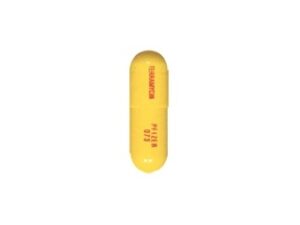
Dilantin (Phenytoin) — Patient Information (Australia)
Dilantin is a brand of phenytoin, an antiepileptic medicine used to help control certain types of seizures. This guide explains how Dilantin works, how it behaves in the body, what it’s used for, how it’s taken, and important safety information. It’s written in a patient-friendly way for readers in Australia.
Important: Medicines affect people differently. Always follow the instructions given by your treating clinician and read the consumer medicine information (CMI) provided with your specific product.
Key product information
- Medicine name: Dilantin (phenytoin)
- Type: Antiepileptic (anti-seizure) medicine
- Common forms: Usually available as oral capsules or oral suspension (availability may vary by pharmacy)
- How it works: Stabilises nerve cell activity to reduce abnormal electrical firing in the brain
- Therapeutic drug monitoring: Blood levels may be measured to ensure effective and safe dosing
- Monitoring needs: Liver function tests and regular safety checks may be recommended
How Dilantin works (mechanism of action)
Phenytoin helps control seizures by reducing abnormal electrical activity in the brain. It mainly works by altering how sodium channels behave in nerve cells. Sodium channels are involved in sending electrical signals. By stabilising these channels, phenytoin can lower the likelihood of repeated, uncontrolled seizure firing.
Phenytoin also appears to influence other aspects of nerve signalling, including how cells respond to stimulation, which contributes to its overall anti-seizure effect.
Pharmacokinetics (how the body handles phenytoin)
Understanding phenytoin’s pharmacokinetics helps explain why dosing may require careful adjustment and why blood level monitoring is sometimes used.
Absorption
- Phenytoin is absorbed after oral dosing, but absorption can vary between people and between formulations.
- Changes in intake timing, missed doses, or switching brands/formulations can affect blood levels.
Distribution
- Phenytoin binds to plasma proteins (especially albumin). Only the unbound portion is pharmacologically active.
- Conditions that alter protein binding (e.g., low albumin, kidney disease) can affect how safe and effective the dose is.
Metabolism
- Phenytoin is primarily metabolised by the liver.
- Its metabolism is known to show non-linear (saturable) kinetics, meaning small dose increases can lead to disproportionately large increases in blood levels for some people.
Elimination
- The half-life can be long, and steady levels may take time to reach, especially after dose changes.
- Because of its non-linear kinetics and long half-life, maintaining stable dosing is important.
Why blood levels may be measured
Clinicians sometimes request phenytoin blood tests to confirm levels are in a target range, especially after:
- starting or changing the dose
- switching between formulations
- starting, stopping, or changing another medicine that interacts with phenytoin
- changes in liver function, kidney function, or body weight
- unexplained seizure worsening or side effects suggestive of high phenytoin levels
Typical use in Australia
Dilantin (phenytoin) is used to manage epilepsy and certain seizure types. The specific choice of medicine depends on the type of seizure and the person’s medical history.
Phenytoin is commonly used for:
- Focal (partial) seizures, with or without secondary generalisation
- Generalised tonic-clonic seizures
- Status epilepticus in some settings (this may involve hospital-based, carefully monitored treatment)
Some seizure types may respond better to other antiepileptic medicines. Your clinician will select the most appropriate option for you.
Indications (what it’s for)
The indication refers to the specific medical reason a medicine is used. Phenytoin is indicated for the control of certain epileptic seizures, including those described above.
If you’re unsure whether Dilantin is intended for your seizure type, ask your treating clinician or pharmacist.
Timing and how to take Dilantin
Consistency is important with phenytoin. Taking your medicine at the same time each day can help keep blood levels stable.
General timing guidance
- Follow your prescribed schedule. Many regimens are divided into multiple doses per day.
- Do not double up if you miss a dose unless your clinician/pharmacist advises it.
- Allow time for changes to settle. If your dose changes, it may take time for levels to stabilise.
If you miss a dose
Practical advice:
- If it’s close to the next dose, you may be advised to skip the missed dose and continue as normal.
- If it’s well separated from the next dose, your clinician/pharmacist may advise taking it when you remember.
Because phenytoin has non-linear kinetics and missing doses can increase risk of breakthrough seizures, it’s best to ask your pharmacist for a plan tailored to your dosing schedule.
Dosing overview (important note)
The dose of Dilantin (phenytoin) varies widely between individuals. Dosing is typically individualised based on seizure control and phenytoin blood levels. Your clinician may also consider age, liver function, other medicines, and body weight.
Why dose individualisation matters
- Phenytoin blood levels can increase more than expected with dose increases (non-linear kinetics).
- Therapeutic effect and side effects correlate with blood concentration in many people.
Typical dosing approaches (general)
Dosing commonly starts at a measured starting dose and is adjusted gradually. For some people, clinicians may aim for a specific blood range. Because the exact schedule depends on your situation, this website does not provide personal dosing instructions.
If you have questions about your current dose timing or the reason for dose changes, discuss it with your pharmacist or clinician.
Food and drink interactions
Food can affect how and how quickly phenytoin is absorbed. While some people can take phenytoin with food, others may be advised to take it on a consistent schedule.
Practical tips
- Be consistent. If you usually take Dilantin with meals, keep doing so.
- Avoid sudden dietary changes that could affect absorption, particularly if you have had recent changes in seizure control or side effects.
- Follow label instructions for your specific product formulation.
Caffeine and other beverages
Caffeine doesn’t have a simple “do not use” rule with phenytoin, but overall stimulant intake may affect sleep and seizure threshold in some people. If you notice a clear pattern between caffeine intake and seizure control, discuss it with your clinician.
Alcohol and medicine interactions
Alcohol can be risky with antiepileptic medicines. It can worsen side effects such as dizziness, sleepiness, and impaired coordination. Alcohol may also affect seizure threshold in some individuals.
Key points
- Avoid heavy or binge drinking.
- Be cautious with occasional drinking. If you choose to drink alcohol, keep it moderate and consider how you feel after taking your dose.
- Do not drive or operate machinery if alcohol plus medication affects your reaction time or alertness.
If you drink alcohol regularly, ask your pharmacist how to manage safe timing and whether any of your other medicines increase risks.
Medicine interactions (what to watch for)
Phenytoin interacts with many medicines because of its metabolism in the liver and its effect on enzymes that process other drugs. Interactions can either increase phenytoin levels (more side effects) or decrease them (loss of seizure control).
Examples of medicines that may interact
This is not an exhaustive list. Always check with your pharmacist or clinician before starting, stopping, or changing any medicine, including over-the-counter products.
- Antacids and acid-suppressing medicines (may affect absorption)
- Antibiotics (some may increase or decrease phenytoin levels)
- Antifungal medicines (some increase phenytoin levels)
- Oral contraceptives (hormone levels and/or seizure control may be affected)
- Warfarin (phenytoin can affect clotting management)
- Other antiepileptic medicines (many interactions are possible)
- Medicines affecting liver enzymes (enzyme inducers or inhibitors)
Signs of possible interaction
- High phenytoin levels: unsteadiness, slurred speech, confusion, nausea, severe drowsiness
- Low phenytoin levels: worsening seizures or breakthrough seizure activity
If you start a new medicine and notice changes in seizure frequency or new side effects, contact your pharmacist promptly.
Safety profile (important information)
Like all medicines, Dilantin (phenytoin) can cause side effects. Many are mild and dose-related, while some require urgent attention. Your clinician will weigh the benefits for seizure control against potential risks.
Common or expected side effects
- Dizziness or light-headedness
- Drowsiness or tiredness
- Nausea
- Headache
- Unsteadiness (especially at higher levels)
- Gum overgrowth (more common with long-term use in some people)
- Changes in hair growth or facial features (less commonly discussed, may occur over time)
Serious side effects — seek urgent help
Contact emergency services or seek urgent medical attention if you develop symptoms of a severe reaction, such as:
- Allergic reaction (swelling of face/lips, difficulty breathing)
- Severe skin rash or blistering, especially with fever
- Signs of blood disorders (unusual bruising, persistent sore throat, infections)
- Severe liver problems (yellowing of skin/eyes, dark urine, severe fatigue)
- Severe confusion or marked worsening coordination
Skin reactions can sometimes be life-threatening. If you develop a rash after starting or adjusting phenytoin, seek medical advice promptly.
Long-term safety considerations
- Bone health: enzyme-inducing antiepileptics can affect vitamin D and bone density. Clinicians may recommend monitoring and supplements if appropriate.
- Oral health: gum care may help reduce gum overgrowth. Regular dental check-ups can be important.
- Blood tests: liver function and blood counts may be monitored periodically.
- Neurological effects: dose changes and interactions can alter balance and coordination.
Practical use tips for best results
- Keep a consistent schedule. Take it at the same times each day.
- Use one pharmacy and don’t change brands casually. If you need to switch formulation, ask your pharmacist how to do it safely.
- Keep track of your medicines. Bring an up-to-date list (including supplements and herbal products).
- Plan for blood tests. If monitoring is recommended, attend appointments to help prevent both toxicity and loss of seizure control.
- Support gum and bone health. Maintain good oral hygiene and discuss vitamin D/bone screening if long-term therapy is planned.
- Don’t stop suddenly. Stopping abruptly can increase seizure risk. Any changes should be planned with your clinician.
- Be careful with driving and work. If you feel drowsy, dizzy, or unsteady, avoid hazardous activities.
Alternative options (if Dilantin isn’t suitable)
There are many antiepileptic medicines available in Australia. Alternatives depend on seizure type, age, comorbidities, pregnancy considerations, and side-effect tolerance.
Examples of other antiepileptic options (not exhaustive):
- Levetiracetam
- Lamotrigine
- Valproate (for selected seizure types under careful monitoring)
- Carbamazepine
- Oxcarbazepine
- Topiramate
- Zonisamide
- Phenobarbital (in certain settings)
Your clinician can explain which option may be better for your seizure pattern, and whether a switch is feasible. Switching medicines should be done carefully because it may change seizure control and side-effect risks.
Australia: market and legal context
In Australia, antiepileptic medicines are regulated medicines dispensed under pharmacy medicines rules. Availability and brand/formulation supply can vary between regions and wholesalers.
Patients are generally required to have appropriate authority to obtain prescription-only medicines in Australia through a licensed pharmacy. Your pharmacist will confirm the appropriate product, dose form, and supply rules based on your circumstances.
When selecting a product, Australian pharmacies commonly rely on standard prescribing and dispensing practices, including generic equivalence where appropriate and careful attention to formulation and dosing instructions.
Recent guidance and evolving best practice (overview)
Clinical practice in epilepsy management continues to evolve, and guidance may update over time. Common themes in modern epilepsy care include:
- Seizure control with the lowest effective dose
- Medication adherence and minimising changes that can destabilise blood levels
- Safety monitoring (e.g., blood tests, liver monitoring, bone health considerations)
- Drug–drug interaction checks whenever medicines are started or stopped
- Individualised care for pregnancy and women of childbearing potential, because antiepileptic safety considerations can differ widely between medicines
For the most up-to-date clinical recommendations, your clinician may refer to local epilepsy society resources and government health guidance.
Delivery and availability
Online pharmacies in Australia may offer home delivery for eligible medicines, depending on regulatory requirements, state/territory rules, and stock availability. Availability of Dilantin/phenytoin formulations may vary due to supply schedules.
What to expect when ordering online
- Verification: your order may be reviewed to ensure the correct medicine and documentation requirements are met.
- Stock status: items may be shipped immediately if in stock, or ordered in if temporarily unavailable.
- Packaging: medicines are typically delivered in secure packaging to protect integrity and privacy.
- Delivery times: delivery depends on courier service and your location within Australia.
If you need Dilantin urgently or are planning a dose schedule around travel or a change in supply, contact the pharmacy before ordering.
FAQ — Dilantin (Phenytoin)
1) How long does it take for Dilantin to start working?
Some seizure reduction may occur quickly, but achieving stable levels can take time—especially after dose changes. Many people notice improved control within days to weeks, while others require more gradual adjustments. Your clinician may recommend blood level testing to guide dosing.
2) Should I take Dilantin with food?
Food may affect absorption. The safest approach is to take it the way your pharmacist or CMI instructs—often with or after meals. If you want to change how you take it (with or without food), discuss it first to reduce the risk of level changes.
3) Can I drink alcohol while taking phenytoin?
Alcohol may increase dizziness, drowsiness, and unsteadiness, and can affect seizure control in some people. For many people, it’s best to avoid alcohol or limit it strictly. If you’re unsure, ask your pharmacist for personalised advice.
4) What should I do if I miss a dose?
Advice depends on how close it is to your next dose. In many situations, you may be told to skip the missed dose and continue your usual schedule. Because phenytoin requires consistency for safety and seizure control, ask your pharmacist for guidance tailored to your dosing times.
5) Why do I need blood tests?
Phenytoin has non-linear kinetics and blood levels can strongly relate to effectiveness and side effects. Blood tests help confirm you’re in a safe, effective range—especially after dose changes or starting interacting medicines.
6) What side effects are most concerning?
Seek urgent medical help for severe rash, signs of allergic reaction, breathing difficulty, marked confusion, or symptoms suggesting liver or blood problems. If you develop a new significant rash after starting or changing phenytoin, contact a healthcare professional promptly.
7) Are there alternatives to Dilantin?
Yes. Several antiepileptic medicines may be suitable depending on seizure type and your personal situation. If Dilantin isn’t suitable due to side effects or interactions, your clinician can discuss alternatives and plan any switch safely.
8) Can I stop Dilantin once seizures are controlled?
Do not stop phenytoin suddenly. Discontinuation can trigger seizures. Decisions about reducing or stopping antiepileptic medication should be guided by your clinician based on seizure history and risk factors.
9) Does phenytoin interact with common medicines?
Yes. Many medicines can interact with phenytoin, changing blood levels or increasing side effects. Always inform your pharmacist about all medicines and supplements you use, including over-the-counter products.
10) How can I reduce the risk of side effects?
Take your doses consistently, avoid sudden changes in medicines without checking interactions, attend monitoring appointments if recommended, and contact a healthcare professional if you notice symptoms of toxicity (such as unsteadiness, slurred speech, or marked drowsiness) or worsening seizures.
Summary
Dilantin (phenytoin) is an established antiepileptic medicine used to control certain types of seizures. It works by stabilising nerve cell electrical activity. Because its handling by the body can be complex and its blood levels can be sensitive to dose changes and interactions, it often requires careful dosing and sometimes blood level monitoring. By taking it consistently, staying alert to interactions and side effects, and attending recommended safety checks, many people can use phenytoin effectively as part of their epilepsy care plan.
Disclaimer: This information is general and not a substitute for medical advice. If you have concerns about your treatment, speak with your pharmacist or clinician.