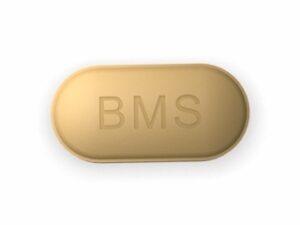
Glucotrol (Glipizide) — Patient Information (Australia)
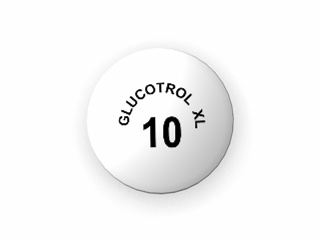
Glucotrol is a brand of glipizide, a medicine used to help control blood glucose levels in people with type 2 diabetes. This page explains how glipizide works, how it is taken, common interactions (including food and alcohol), safety considerations, and what options may be available if you cannot use it.
| Product name | Glucotrol (glipizide) |
|---|---|
| Active ingredient | Glipizide |
| Medicine type | Oral diabetes medicine (sulfonylurea) |
| Used for | Type 2 diabetes with inadequate glucose control |
| Common benefits | Lowers blood sugar; may help reduce HbA1c |
| Key risk to know | Low blood sugar (hypoglycaemia), especially if meals are missed |
| Typical timing | Taken before meals (often 30 minutes before breakfast or before meals as directed) |
What is Glucotrol (Glipizide)?
Glucotrol contains glipizide, a medication in the sulfonylurea class. Sulfonylureas lower blood glucose by stimulating the pancreas to release insulin, helping your body use sugar (glucose) more effectively.
Glucotrol is usually considered when lifestyle changes (diet, physical activity, weight management) and/or other glucose-lowering medicines are not enough to reach target blood sugar levels.
How Glipizide Works (Mechanism of Action)
Glipizide primarily works by:
- Stimulating insulin release: It binds to sulfonylurea receptors on pancreatic beta cells, helping them release insulin.
- Improving glucose uptake: The released insulin helps move glucose from the bloodstream into tissues for use or storage.
Because glipizide increases insulin levels, the most important safety concern is hypoglycaemia, particularly when:
- Meals are delayed or missed
- Dosage is too high for your needs
- There is increased physical activity without adjusting food intake
- Other medicines increase hypoglycaemia risk
Pharmacokinetics (How the Body Handles It)
While individual absorption and elimination can vary, the general pharmacokinetic features of glipizide include:
- Absorption: Glipizide is absorbed from the gastrointestinal tract after oral dosing.
- Onset and timing: It typically starts working after a dose and is commonly taken before meals to reduce post-meal glucose rise.
- Metabolism: The drug is metabolised primarily in the liver.
- Excretion: Metabolites are eliminated mainly via the kidneys.
Your prescriber may choose the starting dose and timing based on your age, kidney function, liver function, and other medicines. In older adults and people with reduced organ function, lower starting doses are often used to reduce hypoglycaemia risk.
Typical Use and Indications
Glucotrol (glipizide) is used to improve blood glucose control in adults with type 2 diabetes. It helps lower:
- Fasting blood glucose
- Post-meal (postprandial) blood glucose
- Long-term glucose control (reflected by HbA1c over time)
It may be used:
- As monotherapy when suitable
- In combination with other diabetes medicines, depending on your overall treatment plan
When to Take Glucotrol (Timing)
Timing is important because glipizide works best when matched with meal intake. As a general approach (follow your local directions), glipizide is commonly taken:
- Before meals (often around 30 minutes before breakfast or the main meal of the day), depending on the formulation and your regimen.
- If your dosing schedule is twice daily, it is often split before breakfast and dinner.
Key practical rule: if you eat, it is usually safer to take your dose as instructed; if you skip a meal, you may need guidance on whether to hold the dose to reduce hypoglycaemia risk—discuss this with your healthcare professional.
Food Interactions and Meal Considerations
Glipizide is linked to meal timing. While food does not “cancel” the medicine, the interaction is clinically important because insulin release can occur whether or not you eat.
- Do not skip meals after taking glipizide.
- Keep meal timing consistent to avoid swings in blood sugar.
- If you have a delayed meal, ask your healthcare professional about what you should do (for example, monitoring and planned snacks).
For many people, taking glipizide shortly before eating helps reduce the chance of low blood sugar and improves post-meal control.
Alcohol Interactions
Alcohol can affect blood glucose and increase the risk of hypoglycaemia, particularly when:
- You drink on an empty stomach
- Your intake is inconsistent with your diabetes plan
- You take other glucose-lowering medicines
It is generally recommended to:
- Drink cautiously and only with food (if your clinician has advised this)
- Avoid binge drinking
- Monitor glucose more frequently if you choose to drink
If you have liver disease, alcohol dependence, or a history of severe hypos, ask your healthcare professional for personalised advice.
Medicine Interactions (Other Drugs and Supplements)
Some medicines can increase or decrease the glucose-lowering effect of glipizide or affect how the body clears it. Always tell your healthcare professional about all medicines, including over-the-counter products and supplements.
Common interaction considerations
- Medicines that increase hypoglycaemia risk (examples may include certain antibiotics, anti-inflammatory agents, and other diabetes medicines). These may make glipizide stronger in practice.
- Medicines that reduce glucose control (some steroids and other drugs can raise blood glucose, possibly requiring dose adjustment).
- Beta-blockers: may mask warning signs of low blood sugar (such as fast heartbeat).
How to manage interactions safely
- Check with a healthcare professional or pharmacist before starting new medicines.
- Be alert to symptoms of hypoglycaemia, especially during the first weeks of any medication change.
- Follow a monitoring plan if you are adjusting treatment.
Dosing Information (General Guidance)
Dosing should be individualised. The information below is general education—your exact regimen will depend on your blood glucose levels, kidney/liver function, age, and whether you are taking other diabetes therapies.
Starting and dose adjustment
- Many people start on a low dose and increase gradually to reduce hypoglycaemia risk.
- Dose changes are often based on blood glucose readings and long-term monitoring such as HbA1c.
- In older adults or those with kidney/liver impairment, clinicians may choose more conservative dosing.
Typical administration
- Often taken once daily before the main meal, or twice daily divided before meals, depending on your regimen.
- Swallow tablets whole (unless your specific product instructions allow otherwise).
Missed dose
- If you miss a dose, you may be advised to take it when you remember unless it is close to your next dose—however, because hypoglycaemia risk depends on whether you have eaten, it’s important to follow your clinician’s plan.
Safety Profile: What to Watch For
Most people tolerate glipizide well, but the safety profile is dominated by the risk of hypoglycaemia. Understanding warning signs and prevention strategies is essential.
Most important risk: Hypoglycaemia (Low blood sugar)
Symptoms can include:
- Shaking or trembling
- Sweating
- Hunger
- Dizziness
- Headache
- Blurred vision
- Confusion or feeling faint
- Palpitations (fast heartbeat)
Severe hypoglycaemia may lead to difficulty speaking, loss of consciousness, or seizures. If severe symptoms occur, emergency treatment may be required.
Other possible side effects
- Weight gain (can occur with sulfonylureas)
- Gastrointestinal upset (nausea, indigestion) in some people
- Allergic reactions (rare; seek help if swelling, rash, or breathing difficulty occurs)
- Blood count changes or liver enzyme changes (uncommon; discuss if you have unusual bruising or fatigue)
Who should use extra caution?
- Older adults (higher risk of hypoglycaemia)
- People with kidney impairment or liver impairment
- People with irregular eating patterns or those at risk of missing meals
- People taking medications that affect glucose regulation or hypoglycaemia awareness
Practical Use Tips (Helping You Get the Best Results)
- Plan meals around your dose: take your medicine at the time that best matches your eating schedule.
- Use glucose monitoring as advised: check fasting and/or post-meal readings to understand your response.
- Keep hypoglycaemia treatment nearby: carry fast-acting carbohydrate (such as glucose tablets or sweets) if you have frequent hypos.
- Know the early warning signs: symptoms can change, and some medicines can mask them.
- Review dose after illness: infections, reduced appetite, or vomiting can increase hypoglycaemia risk.
- Stay consistent with timing: regular schedules generally improve predictability.
When to Seek Medical Advice Urgently
Contact urgent medical services or seek urgent care if you experience:
- Severe hypoglycaemia (confusion, fainting, seizures, inability to eat/drink safely)
- Signs of a serious allergic reaction (swelling of face/lips, breathing trouble, widespread rash)
- Symptoms of significant illness such as persistent vomiting, dehydration, or inability to manage blood sugar
Alternative Options for Type 2 Diabetes
If glipizide is not suitable (for example, due to side effects, inadequate control, or preference for different mechanisms), there are several other treatment approaches available. The best option depends on your health profile and treatment goals.
Common alternatives
- Other sulfonylureas: similar class options may be considered.
- Metformin: often a first-line medicine due to a favourable safety profile for many people.
- GLP-1 receptor agonists and DPP-4 inhibitors: help control glucose with different risk profiles.
- SGLT2 inhibitors: lower glucose by increasing glucose excretion in urine; may provide additional organ benefits for some patients.
- Insulin: may be considered when glucose levels are high or other medicines are not enough.
Your healthcare professional can help you compare options based on risks (like hypoglycaemia), effects on weight, kidney function, cardiovascular risk, and personal preferences.
Glucotrol in the Australian Market: Legal and Practical Context
In Australia, diabetes medicines are regulated by the Therapeutic Goods Administration (TGA). Availability, brand names, and listing status can vary. Glipizide-containing products may be supplied through community pharmacies in accordance with local prescribing and dispensing rules.
Guidance and standards for diabetes care are commonly informed by Australian clinical pathways and updates from professional bodies, including recommendations for glucose targets, monitoring, and choosing medicines based on patient risk factors.
Recent Guidance: Diabetes Care and Treatment Trends
In recent years, Australian diabetes care has increasingly emphasised individualised therapy rather than a single “one-size-fits-all” approach. Many guidelines support:
- Using metformin as a foundational option for many people
- Considering medicines with lower hypoglycaemia risk when appropriate
- Addressing cardiovascular and kidney risk factors in medication selection
- Regular review of HbA1c, glucose monitoring, and side effects
- Patient education on hypoglycaemia prevention and “sick day” planning
While sulfonylureas like glipizide can be effective, they are often selected carefully due to hypoglycaemia risk and potential weight gain. Your clinician may review whether continuing glipizide remains the best choice for you over time.
Delivery and Availability (Online Pharmacy Information)
Availability can vary by stock level and product listing status. When ordering online, you may be asked to confirm delivery details and ensure the medication is suitable for your circumstances according to applicable regulations.
- Dispatch times: commonly depend on local pharmacy workflow and stock availability.
- Packaging: medicines are typically supplied in original packaging with patient information.
- Cold-chain: glipizide tablets are generally not temperature-sensitive, but always follow the product label instructions.
- Returns: policies may vary; do not use or return opened medicine unless instructed by the supplier.
For the most accurate information, check the specific listing details on the store page and delivery policy.
FAQ: Glucotrol (Glipizide)
1) What is Glucotrol used for?
Glucotrol (glipizide) is used to help control blood glucose levels in adults with type 2 diabetes. It lowers blood sugar by increasing insulin release from the pancreas.
2) When should I take my dose?
Glipizide is usually taken before meals (often about 30 minutes before breakfast or before the main meal), but your exact schedule should follow your healthcare professional’s directions.
3) What happens if I miss a meal after taking Glucotrol?
Skipping meals can increase the risk of hypoglycaemia. If you may miss food, seek advice on what you should do for that situation. In general, do not ignore low sugar symptoms—treat them promptly.
4) Can I drink alcohol while taking glipizide?
Alcohol can increase hypoglycaemia risk, particularly if you drink on an empty stomach or drink heavily. If you choose to drink, do so cautiously and ideally with food. If you have liver problems or frequent hypos, ask your clinician for personalised advice.
5) What medicines commonly interact with glipizide?
Many medicines can influence blood glucose levels or hypoglycaemia risk. Tell your pharmacist or healthcare professional about all medicines, including antibiotics, steroids, blood pressure medicines, and supplements.
6) Are there warning signs of low blood sugar?
Yes. Common symptoms include sweating, shaking, hunger, dizziness, headache, palpitations, and confusion. If you experience symptoms, check glucose if possible and treat according to your diabetes action plan.
7) How long does it take to work?
Glipizide begins acting soon after dosing and helps control glucose around meal times. Full assessment of how well it controls your overall diabetes is usually done over weeks using glucose monitoring and HbA1c testing.
8) Can I stop Glucotrol if my sugars improve?
Don’t stop or change your diabetes medicine without medical advice. Blood glucose may rise again if treatment is stopped. If side effects occur, your clinician can adjust the plan.
9) What if I’m sick (vomiting, reduced appetite, infection)?
Illness can change food intake and insulin needs, affecting hypoglycaemia risk. Follow a “sick day” plan if you have one, and seek advice promptly if you cannot eat normally or your glucose levels are difficult to manage.
10) What are common alternatives if glipizide isn’t suitable?
Depending on your profile, alternatives can include other oral medicines (such as metformin, DPP-4 inhibitors, SGLT2 inhibitors) and injectable options (such as GLP-1 receptor agonists), or insulin in some cases. Your clinician can recommend the best fit.
Important: This information is a guide for understanding glipizide. Always refer to the product label and seek personalised advice from a qualified healthcare professional or pharmacist for your specific situation, especially if you have kidney or liver problems, experience frequent low blood sugar, are pregnant, or are taking multiple medicines.