Samsca (Tolvaptan) — Patient-Friendly Guide (Australia)
Samsca (tolvaptan) is a medicine used to treat certain types of fluid imbalance in the body, particularly when there is low sodium in the blood (hyponatraemia). It works by helping your kidneys remove water while keeping important salts in balance. This guide explains how Samsca works, when it’s used, how it’s taken, key interactions and safety points, and what to expect in day-to-day use.
This information is designed to help you understand your medicine. Always follow the advice of your treating clinician and read the consumer medicine information provided with your product.
1) Basic product information
| Product name | Active ingredient | Dosage forms (typical) | Common strengths |
|---|---|---|---|
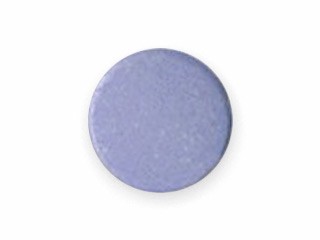
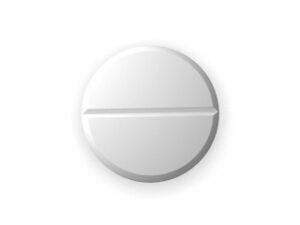
| Samsca | Tolvaptan | Oral tablets | Usually 15 mg and 30 mg tablets (availability may vary) |
| Medicine group | Vasopressin (ADH) receptor antagonist | ATC (class) | Aquaretic |
Important note: Strengths and packaging may differ by supplier. If you are unsure, check your specific tablet strength on the box label.
2) What is hyponatraemia and why does it matter?
Hyponatraemia means your blood sodium level is lower than normal. Sodium helps regulate water balance. When sodium becomes too low, water can build up in tissues, which may cause symptoms ranging from mild to severe. In more serious cases, low sodium can affect the brain, leading to headache, confusion, seizures, or coma.
Hyponatraemia has different causes—for example, certain hormone changes, medications, heart failure, or chronic illness. Samsca is used in selected situations where water retention contributes to low sodium.
3) Mechanism of action (how Samsca works)
Tolvaptan targets the body’s water-regulating hormone called vasopressin (also known as ADH). Vasopressin normally helps your kidneys reabsorb water. In hyponatraemia caused by excessive vasopressin activity, the body holds onto water, which dilutes blood sodium.
- Samsca blocks V2 receptors (in the kidney’s collecting ducts).
- This reduces water reabsorption from the urine back into the bloodstream.
- The result is increased free water excretion (often called “aquaretic” action).
- As excess water is cleared, blood sodium may rise.
In practical terms: Samsca helps your body get rid of water without removing as much sodium as a traditional diuretic would. This is a key reason it’s used for certain cases of hyponatraemia.
4) Pharmacokinetics (how the body handles tolaptan)
Pharmacokinetics describes how the medicine is absorbed, distributed, metabolised, and eliminated. While individual results can vary, the following provides a general understanding:
- Absorption: Tolvaptan is taken by mouth and absorbed from the gastrointestinal tract.
- Distribution: It distributes throughout the body and is expected to bind to plasma proteins.
- Metabolism: Tolvaptan is metabolised primarily by CYP3A4 (a liver enzyme).
- Elimination: Metabolites and drug-related components are cleared from the body, mainly via the liver.
- Half-life (general concept): The drug has a duration of action long enough for once-daily dosing in many cases.
Because metabolism involves CYP3A4, strong interactions can occur with medicines that inhibit or strongly induce this pathway. See the “Alcohol and medicine interactions” section for details.
5) Typical uses of Samsca
Samsca is used for the treatment of clinically significant euvolaemic or hypervolaemic hyponatraemia where:
- Symptoms and/or the clinical scenario require active correction, and
- Other measures are insufficient, such as fluid restriction, or when rapid correction is needed under monitoring.
Examples of associated conditions may include:
- Heart failure (especially where fluid overload contributes to low sodium)
- Some cases of Syndrome of Inappropriate Antidiuretic Hormone (SIADH) under specialist management
- Certain other water-retaining states where excess vasopressin activity plays a role
Usage depends on the specific diagnosis and clinical judgement. The decision to use Samsca should be based on your sodium level, symptoms, and overall health status.
6) Indications and treatment goals
Samsca’s main indication is to help raise low blood sodium in the conditions described above, when clinically appropriate. A key treatment goal is to improve sodium safely while avoiding overly rapid correction.
Your clinician may aim for a gradual increase to reduce risk of complications associated with rapid sodium changes. Monitoring is important (often including repeat blood tests).
7) How and when to take Samsca
Typical timing
Samsca is commonly taken . Many patients take it in the morning or at a time advised by their clinician, because it can increase urination.
- Take it at the same time each day if your regimen is stable.
- Avoid taking late in the day if it causes frequent urination or night-time trips to the bathroom.
With or without food
Food can affect how quickly tolvaptan starts working. See the section on food interactions below. In general, follow your prescribed instructions regarding meals.
Missed dose
- If you miss a dose, take it only if it’s close to the next planned time per your clinician’s directions.
- Do not take extra doses to “catch up” unless advised.
Stopping or changing dose
Do not stop or change the dose without medical advice. Sodium correction needs careful monitoring to maintain safe levels.
8) Dosing (general information)
Dosing varies by the patient’s sodium level, symptoms, kidney function, liver status, and response to therapy. For patient safety, Samsca is often initiated under closer supervision, especially during the early phase of treatment.
- Initial dose may be lower, then adjusted based on response.
- Regular blood tests are commonly used to guide dose and reduce risks associated with rapid correction.
- Maximum daily dose depends on product recommendations and your clinical situation.
For the exact dosing schedule relevant to you, check the label on your specific package and the plan provided by your clinician.
9) Food interactions and absorption
Tolvaptan can be influenced by the presence of food. In particular, food may reduce or delay the absorption compared with taking the medicine on an empty stomach. Because the effect on sodium is the goal, clinicians may recommend timing in relation to meals.
- If you are told to take it with fasting/empty stomach, follow that instruction.
- If you are advised it can be taken with food in your case, follow those directions consistently.
When starting Samsca, your clinician may instruct additional monitoring to confirm your response. Ask your pharmacist if you’re unsure about the best meal timing for your regimen.
10) Alcohol interactions
Alcohol can worsen dehydration risk and can affect sodium balance indirectly by influencing fluid intake and body hydration. Because Samsca promotes water loss, combining it with alcohol may increase the likelihood of:
- Dehydration or dizziness
- Low blood pressure (especially if you’re older or taking blood pressure medicines)
- Electrolyte imbalance in vulnerable patients
As a precaution, it’s generally advisable to limit alcohol or avoid it unless your clinician approves. If you plan to drink alcohol, discuss it with your healthcare provider.
11) Alcohol and medicine interactions (important)
Tolvaptan metabolism involves CYP3A4. Medicines that affect this enzyme can raise or lower tolvaptan levels, which may increase side effects or reduce effectiveness.
A) Medicines that may increase tolvaptan levels (CYP3A4 inhibitors)
Examples may include some “azole” antifungals and certain antibiotics, plus other drugs known to inhibit CYP3A4. Your pharmacist can confirm specific interactions based on your current list.
- Increased tolvaptan exposure can increase risk of adverse effects, including potential liver-related issues.
B) Medicines that may decrease tolvaptan levels (CYP3A4 inducers)
Some medicines can strongly induce CYP3A4, reducing tolvaptan levels and possibly making it less effective.
- Reduced effect may mean sodium doesn’t correct as intended.
C) Other medicines affecting sodium or hydration
- Diuretics (especially “loop” diuretics) may alter water and electrolyte balance.
- Other hyponatraemia treatments may need to be coordinated carefully.
- Medicines that affect kidney function can increase risk of imbalance.
D) Needing extra caution
- Lithium: fluid and sodium changes may affect lithium levels.
- Medicines associated with liver injury: because tolvaptan has potential liver-related risks, discuss your full medication list.
- Blood pressure medicines: increased urination and fluid changes could contribute to low blood pressure in some people.
Tell your healthcare team about all medicines you take, including prescription, over-the-counter products, herbal supplements, and vitamins. Some “natural” products can still interact.
12) Safety profile and potential side effects
Like all medicines, Samsca can cause side effects. Some are mild and resolve as your body adjusts; others require prompt medical attention. Your clinician may also monitor sodium levels and liver function.
Common or expected effects
- Increased urination (this is often expected because of its water-excreting effect)
- Thirst (dry mouth or feeling thirsty)
- Dryness or mild dehydration symptoms
- Dizziness or light-headedness
- Headache
- Constipation or nausea in some patients
Serious risks (seek medical advice promptly)
- Too rapid correction of sodium: symptoms may include neurological changes such as confusion, severe headache, or unusual drowsiness. Monitoring helps reduce this risk.
- Dehydration and low blood pressure: especially if you’re not replacing fluids adequately.
- Liver injury: tolvaptan has known potential for liver enzyme elevations and rare serious liver problems. Report yellowing of the eyes/skin, dark urine, severe fatigue, or upper abdominal pain.
- Allergic reaction: seek urgent care for swelling of the face/lips, rash, difficulty breathing.
Your clinician may conduct blood tests for sodium and liver function before and during therapy. Follow the monitoring schedule provided to you.
13) Practical use tips (what helps you get the best and safest results)
- Plan for increased urination: taking your dose earlier in the day may reduce nighttime disruptions.
- Follow fluid guidance exactly: your clinician may prescribe fluid restriction or other intake instructions based on your condition. Samsca works alongside these plans—don’t change fluid intake without advice.
- Track symptoms: note worsening dizziness, severe thirst, confusion, or signs of dehydration.
- Attend blood test appointments: these are essential to check sodium correction speed and detect potential issues early.
- Keep a medication list: bring it to appointments so your healthcare team can check for interactions.
- Avoid alcohol unless approved: dehydration risk can be higher.
If you feel unwell after starting Samsca—especially with neurological symptoms—seek urgent medical attention.
14) Special populations and precautions
Kidney impairment
Kidney function affects how water and solutes are handled. Your clinician will consider your kidney status when deciding whether Samsca is appropriate.
Liver impairment
Tolvaptan can affect liver enzymes. People with known liver disease may require caution or may not be suitable, depending on the severity and local guidance. Liver function monitoring is important.
Older adults
Older people may be more sensitive to changes in fluid balance and blood pressure. Extra care with monitoring and hydration guidance may be needed.
Driving and operating machinery
Samsca may cause dizziness or light-headedness in some patients—use caution when driving or operating machinery, particularly when you’re adjusting to the medicine.
15) Alternative options (discuss with your clinician)
The best alternative depends on the cause of your hyponatraemia and your overall medical history. Options commonly considered may include:
- Fluid restriction (often first-line when appropriate)
- Salt (oral sodium) supplementation in selected cases
- Hypertonic saline in severe or symptomatic hyponatraemia, usually in a hospital setting
- Demeclocycline or other specialist therapies in particular causes of SIADH (where appropriate)
- Loop diuretics in selected fluid-overload scenarios, under medical supervision
If Samsca isn’t suitable, your clinician may consider different approaches based on your diagnosis and risk factors.
16) Market and legal context in Australia (overview)
In Australia, medicines are regulated by the Therapeutic Goods Administration (TGA). Products like Samsca are prescribed and dispensed according to Australian medicines and prescribing frameworks.
Availability can vary depending on supplier distribution and local stock levels. Safety requirements may include monitoring plans and physician oversight consistent with Australian product information.
Because guidance can change, it’s important to follow the most current information provided by your clinician or the product’s official documentation in Australia.
17) Recent guidance and monitoring considerations (general)
International and local safety updates for medicines in this class often emphasise:
- Careful correction of sodium to avoid overly rapid changes
- Regular blood testing for sodium levels, especially at initiation and during dose changes
- Liver monitoring because tolvaptan can be associated with liver enzyme changes
- Individualised fluid management based on your cause of hyponatraemia
Your clinician will determine the appropriate monitoring schedule for you. If you have questions about blood test timing or results, ask your treating team.
18) Delivery and availability (online pharmacy)
Availability of Samsca may depend on current supply and medication strength. When ordering online, your pharmacy may require:
- Verification of product details on your prescription documents (if applicable to your situation)
- Confirmation of your preferred delivery address
- Processing time for stock allocation
Once dispatched, typical delivery timelines depend on courier service and location across Australia. Your pharmacy should provide tracking information where available.
If you need urgent supply, contact the pharmacy to ask about stock and delivery options.
19) FAQ
1. What does Samsca do to my body?
Samsca (tolvaptan) helps your kidneys remove free water by blocking vasopressin (ADH) activity in the kidney. This can raise blood sodium in appropriate forms of hyponatraemia.
2. Will Samsca make me urinate more?
It often increases urination because it promotes water excretion. This is a common expected effect. Taking the dose earlier in the day may help reduce night-time disruption.
3. How fast will my sodium rise?
Sodium correction can happen within the first day or two, but the exact timing varies by person and cause. Clinicians monitor blood tests to ensure correction occurs safely.
4. Can I drink alcohol while taking Samsca?
Alcohol is best limited or avoided unless your clinician approves. Alcohol can contribute to dehydration and may worsen dizziness or blood pressure changes due to increased water loss.
5. Does food affect Samsca?
Food can affect how quickly tolvaptan is absorbed and starts working. Follow the specific meal instructions provided for your regimen.
6. What should I do if I feel dizzy or very thirsty?
Stop and check your symptoms. Increased thirst and urination can occur, but severe dizziness, fainting, confusion, or signs of dehydration warrant urgent medical advice. Seek help promptly if you feel unwell.
7. Are there liver-related warnings with tolvaptan?
Yes. Tolvaptan has the potential to affect liver enzymes and, rarely, cause serious liver problems. Report symptoms such as yellowing of the eyes/skin, dark urine, severe fatigue, or upper abdominal pain, and attend recommended blood tests.
8. What medicines should I mention to my pharmacist or clinician?
Mention all prescription and non-prescription medicines, including herbal supplements. Particular attention is given to medicines that interact with CYP3A4 metabolism and those that affect hydration or electrolytes.
9. Is Samsca used for all types of hyponatraemia?
No. It is used for specific clinical situations (such as euvolaemic or hypervolaemic hyponatraemia) when clinically appropriate. The cause of hyponatraemia determines the best treatment approach.
10. What are practical steps to use Samsca safely?
Follow your monitoring schedule, take the dose at the instructed time, follow fluid guidance, and seek prompt help for serious symptoms such as confusion, severe headache, fainting, or signs of liver issues.
Summary
Samsca (tolvaptan) is an aquaretic medicine that helps correct selected cases of hyponatraemia by blocking vasopressin (ADH) at V2 receptors in the kidney. By promoting free water loss, it can raise blood sodium while requiring careful monitoring to prevent overly rapid correction and to watch for potential liver-related effects.
If you have questions about dosing timing, side effects, or interactions with your current medications, speak with your pharmacist or treating clinician.