

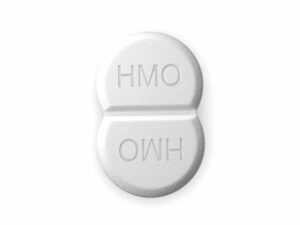

Verampil (Verapamil HCl) — Patient Information (Australia)
Verampil (verapamil hydrochloride) is a medicine used to treat certain heart rhythm and blood vessel conditions. It belongs to a group of medicines called calcium channel blockers. Many people use verapamil to help reduce episodes of abnormal heart rate and to lower the workload on the heart.
This page is designed to be patient-friendly and practical. It summarises how Verampil works, typical uses, timing, important safety information, and interactions you should be aware of—especially relevant to people living in Australia.
Quick Facts
- Active ingredient: Verapamil HCl
- Medicine type: Calcium channel blocker
- Common uses: Certain types of fast heart rhythms, angina (chest pain) and blood pressure control (depending on formulation and doctor’s assessment)
- Common effects: Slower heart rate, improved blood flow, reduced chest pain episodes
- Key cautions: Interactions with other heart medicines, some antibiotics/antifungals, and grapefruit products; possible dizziness or low blood pressure
What Verampil Is and How It Works
Class and mechanism of action
Verapamil is a non-dihydropyridine calcium channel blocker. It works mainly by blocking calcium channels in the heart and blood vessels. Calcium is involved in electrical signalling in the heart and in the contraction of smooth muscle in blood vessels.
By reducing calcium entry:
- Heart rate and conduction slow down: Verapamil can reduce the speed of electrical signals through the heart’s conduction system. This helps control certain abnormal rhythms.
- Blood vessels relax: It can help widen blood vessels, improving blood flow and lowering blood pressure.
- Heart workload decreases: In people with angina, it may reduce oxygen demand by lowering heart rate and improving coronary circulation.
How soon you may notice benefits
- Heart rhythm control: Some people notice improvement within hours, while others may take longer depending on the type of formulation.
- Angina symptoms: Many people notice fewer chest pain episodes over days as dose stabilises.
- Blood pressure: Blood pressure effects may appear within several days, with the full effect often taking longer.
Pharmacokinetics (How Your Body Handles Verapamil)
Pharmacokinetics describes how the body absorbs, distributes, metabolises, and eliminates a medicine.
- Absorption: Verapamil is absorbed after oral dosing. Blood levels may vary between individuals.
- Metabolism: It is extensively metabolised in the liver (primarily via CYP450 enzymes, notably CYP3A4 and CYP2C8). This is one reason drug interactions are important.
- Elimination: The medicine is removed from the body mainly via metabolism and subsequent excretion.
- Half-life: The half-life can vary depending on the formulation (immediate-release vs extended-release) and individual factors such as liver function.
If you have liver disease, you may be at higher risk of verapamil accumulating, so doses often require extra caution and monitoring.
Typical Uses in Practice
The exact reasons for taking Verampil can vary by formulation and individual circumstances. Common indications (where appropriate) include:
Indications (common medical uses)
- Certain supraventricular tachyarrhythmias (fast heart rhythms arising above the ventricles), such as:
- Some forms of paroxysmal supraventricular tachycardia (PSVT)
- Atrial fibrillation or atrial flutter with a need for rate control in selected patients
- Angina pectoris (to help reduce frequency/severity of chest pain episodes, depending on the patient’s profile)
- Hypertension (blood pressure control) in selected patients, depending on formulation and overall treatment plan
Because verapamil affects heart conduction, it is not suitable for everyone with rhythm or conduction problems.
Dosing and Timing
Dosing must be individualised based on your condition, heart rhythm, blood pressure, age, and other medicines. The information below is general guidance commonly used with verapamil products.
General dosing approach
- Start low, adjust carefully: Verapamil dosing is often titrated to reduce side effects while achieving symptom control.
- Watch your heart rate and blood pressure: Your clinician may advise regular checks.
- Use the correct formulation: Immediate-release vs sustained/extended-release products have different schedules and effects.
Typical administration timing (general)
- Immediate-release: Usually taken multiple times daily (often 3–4 times daily depending on the brand/formulation).
- Extended-release: Usually taken once daily (timing may be morning or evening depending on your regimen and tolerability).
If you miss a dose
- Take it when you remember
- If it is nearly time for the next dose, skip
- Do not double up to make up for the missed dose.
Food Interactions and Dietary Considerations
Food effects
Verapamil absorption can be influenced by food and formulation type. In many cases, it can be taken with or without food, but consistency helps maintain steady effects.
- If your doctor/pharmacist told you a specific way to take it (e.g., with food), follow that advice.
- If you experience stomach upset, taking it with food may improve tolerance.
Grapefruit and other fruit juices
Grapefruit and grapefruit juice can increase verapamil levels in the body by affecting metabolism. This may raise the risk of side effects such as dizziness, low heart rate, or low blood pressure.
- It’s generally recommended to avoid grapefruit while taking verapamil.
- Check other citrus/fruit drinks with your pharmacist if unsure.
Alcohol Interactions
Alcohol can increase dizziness, drowsiness, and the chance of low blood pressure—effects that may be more noticeable with verapamil. While moderate amounts may be tolerated by some people, the safer approach is:
- Limit alcohol and avoid binge drinking.
- Be cautious when starting verapamil or when the dose is increased.
- If you notice light-headedness or faintness after alcohol, avoid alcohol and seek advice.
Medicine Interactions (Very Important)
Verapamil can interact with many medicines because it is metabolised by liver enzymes and because it affects heart conduction. Tell your pharmacist or doctor about all medicines you use, including over-the-counter products and herbal supplements.
Key interaction categories
- Other heart medicines:
- Medicines that slow the heart rate (e.g., certain beta-blockers, digoxin) may increase the risk of excessively slow heart rate or conduction problems.
- Other rhythm medicines may require careful dose adjustment.
- Medicines affecting liver enzymes (CYP3A4 inhibitors/inducers):
- Inhibitors may raise verapamil levels (risk of side effects).
- Inducers may lower verapamil levels (reduced effect).
- Some antibiotics/antifungals: Certain agents can increase verapamil levels.
- Some antidepressants and other CNS-active medicines: May affect heart rate, blood pressure, or increase adverse effects.
- Medicines for blood pressure: Combined blood-pressure lowering may cause dizziness or fainting.
What to do if you start a new medicine
- Always check with your pharmacist when you are prescribed or considering a new medicine.
- If you are taking multiple cardiovascular medicines, ask specifically about heart rate monitoring and blood pressure monitoring.
Safety Profile and When to Seek Urgent Help
Common side effects
Many side effects are related to lower heart rate and/or lower blood pressure. Commonly reported effects include:
- Dizziness or light-headedness
- Headache
- Constipation (very common with verapamil—see practical tips below)
- Flushing or feeling warm
- Fatigue
- Swelling of ankles/legs (oedema)
Less common but serious risks
- Too-slow heart rate (bradycardia)
- Heart block (problems with electrical conduction)
- Low blood pressure, fainting
- Worsening symptoms in people with certain conduction/rhythm disorders
- Liver problems (rare; seek advice if you develop jaundice or severe fatigue)
Seek urgent medical help if
- You faint or nearly faint
- Your heartbeat is very slow, irregular, or you feel severe palpitations
- You have chest pain that is severe, new, or worsening
- You develop shortness of breath, sudden weakness, or signs of allergic reaction (e.g., swelling of face/lips, trouble breathing)
Practical Use Tips (How to Make Treatment Easier)
Constipation management
Constipation is a frequent issue with verapamil. You may reduce risk by:
- Staying well hydrated
- Increasing dietary fibre (fruit, vegetables, whole grains)
- Gentle activity (walking) if appropriate
- Discussing safe options with your pharmacist (e.g., fibre supplements or osmotic laxatives) if constipation occurs
Hydration and posture
- Stand up slowly to reduce dizziness
- Be cautious in hot weather or after exercise, especially when starting or dose-changing
Heart rate and blood pressure awareness
- Keep an eye on symptoms such as dizziness, unusual tiredness, or faintness
- If your clinician recommends it, monitor and record heart rate and blood pressure
Take it consistently
- Use the same time each day (particularly for extended-release formulations)
- Do not crush or break tablets unless your pharmacist confirms it is safe for your specific product
Alternative Options (Discuss With Your Healthcare Professional)
If verapamil is not suitable due to side effects, interactions, or the specific type of condition, there may be other treatment options. Alternatives depend on why you are taking it.
Common alternatives by condition
- For heart rate/rhythm control: other rate-controlling medicines may include certain beta-blockers. In some cases, different rhythm strategies may be used.
- For angina: options may include other calcium channel blockers or medicines that reduce blood vessel tone and heart workload.
- For blood pressure: alternatives may include ACE inhibitors, ARBs, thiazide-like diuretics, and other calcium channel blockers, depending on individual needs.
Your clinician can help choose the best option based on your heart rhythm, blood pressure, comorbidities, and interacting medications.
Australia Market & Legal/Quality Context
In Australia, prescription medicines are regulated under the Therapeutic Goods Administration (TGA) framework. Brands and formulations must comply with Australian regulatory requirements, including manufacturing standards and product information.
- Verapamil products available in Australia must be supplied in accordance with Australian pharmacy regulations.
- Online pharmacies should provide clear product details, supplier information, and reliable delivery services.
- Only genuine products from reputable supply chains should be offered.
Always review the product-specific Consumer Medicine Information (CMI) supplied with your medication and follow the instructions on the label.
Recent Guidance and Monitoring (What’s Typical Now)
Guidance in the past few years has continued to emphasise safe use of cardiovascular medicines through:
- Medication review: checking for interactions (especially with other heart medicines and strong enzyme-influencing drugs).
- Individualised dosing: cautious titration and close monitoring for symptoms of bradycardia and hypotension.
- Patient education: awareness of red flags such as fainting, severe dizziness, or worsening chest pain.
If you have recently started Verampil, had a dose change, or started a new medicine, it is sensible to re-check your interaction risk with a pharmacist.
Delivery and Availability (Australia)
Availability and delivery options can vary by pharmacy. When ordering online in Australia, typical expectations include:
- Stock verification: reputable online pharmacies should confirm availability before dispatch.
- Packaging: medicines are usually dispatched in protective packaging suitable for transport.
- Delivery timeframes: depend on location (metro vs regional) and service type selected at checkout.
- Tracking: many services provide tracking so you can monitor progress.
If you require urgent medication delivery or have timing concerns, contact the pharmacy before placing an order.
Product Information at a Glance
| Category | Summary |
|---|---|
| Brand | Verampil |
| Generic name | Verapamil hydrochloride (Verapamil HCl) |
| Medicine class | Calcium channel blocker (non-dihydropyridine) |
| Common effects | Slower heart rate and relaxed blood vessels |
| Typical timing | Immediate-release: multiple daily doses; Extended-release: usually once daily |
| Food interaction | Often taken with or without food; avoid grapefruit |
| Alcohol | May worsen dizziness/low blood pressure—use cautiously |
| Key interactions | Some heart medicines, certain antibiotics/antifungals, and other enzyme-influencing medicines |
| Important cautions | Monitor for dizziness, fainting, very slow heart rate |
FAQ About Verampil (Verapamil HCl)
1) What is Verampil used for?
Verampil (verapamil HCl) is used for certain heart rhythm conditions and may be used for angina and blood pressure control depending on the formulation and your individual medical needs.
2) How should I take it—morning or night?
Many people take extended-release verapamil once daily at a time that suits them (morning or evening). Choose the time that you tolerate best and take it consistently. If you feel dizzy, your clinician may suggest a different time.
3) Can I take Verampil with food?
In many cases, it can be taken with or without food. If your stomach is sensitive, taking it with food may help. The most important advice is to take it consistently and follow the label instructions for your exact product.
4) Is grapefruit allowed?
It’s generally advised to avoid grapefruit and grapefruit juice because it can increase verapamil levels and raise side effect risk.
5) What alcohol can I drink?
Alcohol may increase dizziness and the chance of low blood pressure. If you choose to drink, do so in moderation and avoid alcohol if you notice light-headedness, faintness, or worsening palpitations.
6) What if I miss a dose?
Take it when you remember if it’s close to the next dose time. If it’s almost time for the next dose, skip the missed dose. Do not double up.
7) What side effects are common?
Common side effects include constipation, dizziness, headache, fatigue, flushing, and ankle swelling. If constipation is persistent or severe, ask your pharmacist for advice on safe management.
8) When should I call for help urgently?
Seek urgent medical attention if you faint, develop severe dizziness, have chest pain that is worsening or new, or experience symptoms suggesting very slow heart rate or serious allergic reaction.
9) Does Verampil interact with other medicines?
Yes. Verapamil can interact with many medicines, especially other heart medicines and some antibiotics/antifungals and enzyme-influencing drugs. Always review your full list of medicines with your pharmacist.
10) Are there alternatives if Verampil doesn’t suit me?
Yes. Alternatives depend on the reason you are taking it (rhythm control, angina, or blood pressure). Your healthcare professional can discuss options based on your medical history.
Important Reminder
This information is general and cannot replace individual advice. Always read the product label and the Consumer Medicine Information that comes with your medicine. If you are unsure about how to take Verampil, or if you have questions about interactions or side effects, speak with a pharmacist or doctor.