
Cardizem (Diltiazem) – Patient-Friendly Guide
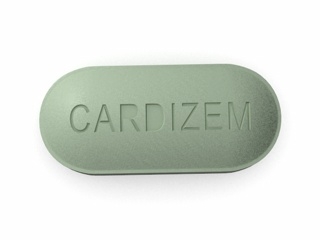
Cardizem is a brand name for diltiazem, a medicine used to help treat certain heart rhythm and blood flow problems. In Australia, diltiazem is available in different formulations (such as immediate-release and extended-release types), and it works by relaxing blood vessels and slowing the heart rate.
This page explains how Cardizem works, how it is typically used, important safety information, food and alcohol considerations, and practical tips to help you get the most benefit from your treatment. Always follow the instructions provided with your product and your healthcare professional.
Basic product information
| Item | Details |
|---|---|
| Generic name | Diltiazem |
| Brand name | Cardizem |
| Medicine class | Non-dihydropyridine calcium channel blocker (CCB) |
| Common forms | Immediate-release and extended-release preparations (varies by product) |
| Main effects | Slows heart rate and reduces blood vessel resistance |
| Typical uses | Angina, certain arrhythmias, and other rate-control needs as determined by a clinician |
How Cardizem works (mechanism of action)
Diltiazem belongs to the calcium channel blocker group. It reduces the movement of calcium into certain cells, particularly:
- Smooth muscle in blood vessel walls: This helps blood vessels relax (vasodilation), which can lower blood pressure and reduce the heart’s workload.
- Heart conduction and heart muscle cells (especially the AV node): This can slow the electrical signalling through the heart, which helps control heart rate during some rhythm disturbances.
By improving blood flow and lowering the strain on the heart, diltiazem can help relieve symptoms such as chest pain (angina) and reduce fast heart rates associated with certain rhythm problems.
Pharmacokinetics (how the body handles it)
“Pharmacokinetics” describes what the body does with a medicine—how it is absorbed, distributed, metabolised, and eliminated. Exact numbers can vary depending on the specific formulation (immediate- vs extended-release) and individual factors.
Absorption
- Diltiazem is absorbed from the gut after oral dosing.
- Different formulations release the drug at different rates. Extended-release products typically provide a steadier effect over the day.
Distribution
- Diltiazem distributes through the body and acts primarily on cardiovascular targets.
- It is significantly protein-bound, which can influence interactions with other medicines.
Metabolism
- Diltiazem is metabolised mainly in the liver (commonly involving CYP enzymes).
- This matters because some medicines can increase or decrease diltiazem levels.
Elimination
- Diltiazem and its metabolites are eliminated mainly through the kidneys and/or bile.
- Kidney or liver impairment may affect drug levels. Your clinician may adjust the dose if needed.
Typical use in clinical practice
Cardizem (diltiazem) is commonly used to treat heart-related conditions where slowing the heart rate and/or relaxing blood vessels is beneficial. The exact indication depends on your diagnosis and formulation.
Common indications
- Angina (chest pain due to reduced blood flow to the heart)
- Certain supraventricular tachyarrhythmias where rate control is needed (for example, some cases of atrial flutter or atrial fibrillation with a fast heart rate)
- Other rhythm or rate-control strategies determined by a clinician based on your ECG and symptoms
If you are taking Cardizem for rhythm control, you may be given guidance on monitoring your pulse and watching for symptoms such as dizziness, palpitations, or breathlessness.
Timing: when and how to take Cardizem
Cardizem dosing schedules depend on the formulation. Many people take it once or twice daily depending on whether the product is immediate-release or extended-release. Follow your product label or your clinician’s instructions.
General timing tips
- Try to take it at the same times each day to maintain steady levels.
- Do not crush or chew extended-release tablets/capsules unless the product instructions specifically allow it.
- If you miss a dose, take it when you remember
Missed dose guidance (practical)
Because dosing frequency varies, a safe approach is:
- If you remember within a few hours of the scheduled time, take it.
- If it is near the next scheduled dose, skip the missed dose and resume your regular routine.
If you are unsure, check with your pharmacist.
Dosing overview (what patients commonly ask)
The “right dose” is individual. Factors include the specific heart condition, age, other medications, and kidney/liver function. Diltiazem dosing can differ between immediate-release and extended-release preparations.
Important points
- Do not start or stop diltiazem suddenly without medical advice.
- Doses are often adjusted gradually based on response and tolerance.
- If you are experiencing dizziness or a very slow pulse, contact your healthcare professional promptly.
Typical dose patterns (general information)
Many products are used within dose ranges established for cardiovascular indications. For exact dosing, refer to the pack and clinician’s instructions for your specific formulation. Your pharmacist can help confirm which product you have and how it is usually taken.
Food interactions
Food can affect how quickly and how much diltiazem your body absorbs. Many patients can take diltiazem with or without food, but product-specific guidance matters.
What to watch for
- Consistency is key: if your label says take with food, try to do so consistently.
- High variability meals around dosing may change how you feel (e.g., dizziness, changes in heart rate) for some people.
Grapefruit and certain fruit juices
Some calcium channel blockers are affected by grapefruit and related juices. Diltiazem may interact depending on formulation and your body’s metabolism. For safety, it’s wise to avoid grapefruit products unless your pharmacist confirms they are safe for your specific situation.
Alcohol interactions
Alcohol may increase diltiazem’s effects on blood pressure, potentially leading to light-headedness, dizziness, or faintness—especially when you first start treatment or if your dose changes.
Practical guidance
- Limit alcohol or avoid alcohol if you notice dizziness, flushing, or a weaker feeling.
- Be cautious with “first doses” or dose increases.
- If you drink alcohol, do so in moderation and avoid sudden heavy intake.
Medicine interactions (important)
Diltiazem can interact with other medicines, mainly because it can affect how the liver enzymes process drugs and can influence heart rate and blood pressure. Always provide your pharmacist with a complete list of:
- Prescription medicines
- Pharmacy medicines (including those for cold, allergies, pain, and cough)
- Herbal products and supplements
Common interaction categories
- Other heart rate–slowing medicines (e.g., beta-blockers, some antiarrhythmics):
- May increase the risk of excessive slowing of the heart rate.
- May increase dizziness or fatigue.
- Antiarrhythmics and certain cardiology medicines:
- May alter heart conduction. Monitoring may be needed.
- Blood pressure–lowering medicines:
- May increase the chance of low blood pressure.
- CYP-interacting medicines (some antibiotics, antifungals, antivirals, and other drugs):
- May increase or decrease diltiazem levels, affecting effectiveness and side effects.
- Statins (cholesterol-lowering medicines):
- Some combinations can increase statin exposure and side-effect risk. Your clinician may select a safer dose/choice.
- Digoxin:
- May raise digoxin levels when combined with diltiazem; clinical monitoring may be required.
- Other calcium channel blockers:
- Combining similar medicines may increase the risk of low heart rate or low blood pressure.
Herbal and supplement interactions
- St John’s wort may affect metabolism of some medicines, potentially reducing efficacy.
- Other herbal products may also interact. Check with a pharmacist before using supplements.
Safety profile: side effects and when to seek help
Most people tolerate diltiazem well, but like all medicines it can cause side effects. Many are mild and improve over time, while others require urgent medical attention.
Common side effects
- Dizziness or light-headedness
- Headache
- Fatigue or tiredness
- Swelling (oedema), especially in ankles or feet
- Flushing
- Nausea or stomach discomfort
- Constipation (in some patients)
Heart-rate and conduction-related effects
Because diltiazem can slow the heart, you may experience:
- Bradycardia (slow pulse)
- Low blood pressure
- Symptoms such as fainting, near-fainting, unusual shortness of breath, or marked weakness
Serious (urgent) warning signs
Seek urgent medical help if you develop any of the following:
- Fainting, severe dizziness, or inability to stay upright
- Chest pain that worsens or does not improve
- Symptoms of an allergic reaction (swelling of face/lips, trouble breathing, hives)
- Severe breathlessness, confusion, or a very slow heartbeat with feeling unwell
Who should be extra cautious
- People with certain heart conduction problems (for example, advanced heart block) may not be suitable for diltiazem.
- People with significant low blood pressure require careful assessment.
- Those with liver impairment may need dose adjustments and closer monitoring.
- Older adults may be more sensitive to dizziness and falls—take care when standing up quickly.
Practical use tips for patients
The following tips can help you use Cardizem safely and consistently.
1) Track your symptoms and pulse
- If you were instructed to monitor your heart rate, note it regularly.
- Watch for trends: increased dizziness, palpitations, or worsening shortness of breath should be discussed with a clinician.
2) Keep timing consistent
- Use alarms or phone reminders to help avoid missed doses.
- Switching between formulations (for example, immediate vs extended-release) without guidance can affect how you feel.
3) Don’t stop suddenly
Stopping abruptly may lead to worsening symptoms of angina or rhythm control problems. If you need to discontinue, your clinician can provide a plan.
4) Be careful with driving and machinery early on
- When starting or adjusting dose, dizziness may occur. Avoid driving or risky activities until you know how you respond.
5) Maintain general cardiovascular health habits
- Follow advice regarding diet, physical activity, smoking cessation, and blood pressure monitoring.
- Keep appointments for ECG checks or other monitoring if advised.
Alternative options (what else may be considered)
Depending on your diagnosis, other medicines may be used instead of or alongside diltiazem. Alternatives vary by condition (angina vs rhythm control) and by individual factors such as blood pressure, heart function, and co-existing medications.
Common alternative medicine categories
- Other calcium channel blockers:
- Verapamil (another non-dihydropyridine CCB)
- Amlodipine and other dihydropyridines (more focused on blood vessel relaxation; less AV-node slowing)
- Beta-blockers (for rate control and angina in appropriate patients)
- Antiarrhythmics (used selectively for rhythm strategies, often under closer monitoring)
- Nitrates for angina symptom relief (depending on your plan)
If you ask about alternatives, your pharmacist or clinician can discuss which option fits your specific condition and your current medication list.
Cardizem and the Australian market: legal and practical context
In Australia, medicines containing diltiazem are regulated under the national medicines framework. Availability, pharmacy supply arrangements, and pack sizes depend on formulation and classification.
What this means for customers
- Cardizem/diltiazem products may be supplied through community pharmacies and may require clinician involvement depending on local requirements and product classification.
- Always use the exact product you were advised on and do not substitute formulations without checking with a pharmacist.
Recent guidance (how to stay up to date)
Medicines guidance can evolve over time. For the most current information in Australia, consider:
- Checking the Consumer Medicine Information (CMI) leaflet included with your product
- Reviewing updates from Australian health authorities and reputable medical sources
- Asking your pharmacist when starting, stopping, or changing dose
Your pharmacist can also check whether any recent product recalls, supply changes, or updated safety notices affect the specific brand or formulation you have.
Delivery and availability (online pharmacy information)
Availability of Cardizem/diltiazem may vary by formulation and strength. Many online pharmacies in Australia provide:
- Standard delivery within defined regional timeframes
- Tracking so you can follow your order progress
- Secure packaging designed to protect tablets/capsules during transit
Before you order
- Confirm the brand and formulation (immediate-release vs extended-release).
- Check the strength and number of tablets/capsules in the pack.
- Ensure the product matches the dosing schedule provided to you.
If you require assistance, contact the pharmacy’s support team so they can help with stock availability and product selection.
FAQ (Frequently Asked Questions)
1) What is Cardizem used for?
Cardizem (diltiazem) is used for conditions where slowing the heart rate and/or relaxing blood vessels is helpful—most commonly angina and certain rhythm problems requiring rate control. Your specific reason depends on your diagnosis.
2) How quickly does Cardizem work?
Some effects may be felt relatively soon after dosing, but the full benefit—especially for angina prevention—may take consistent use over days. Extended-release products may provide smoother symptom control over longer periods.
3) Can I take Cardizem with food?
Many people can take diltiazem with or without food, but some formulations may have specific instructions. For best results, follow the directions on your pack. If you’re unsure, ask your pharmacist.
4) Is grapefruit juice safe with Cardizem?
It’s safest to avoid grapefruit products unless your pharmacist confirms they are safe for your specific formulation and health profile, because some calcium channel blockers interact with grapefruit.
5) Can I drink alcohol while taking Cardizem?
Alcohol may increase dizziness or lower blood pressure when combined with diltiazem. If you choose to drink, do so in moderation and stop if you feel light-headed or unwell.
6) What should I do if I miss a dose?
Take it when you remember unless it’s close to the next dose. If it is near the next dose, skip the missed one and continue your regular schedule. Avoid double dosing. If unsure, ask your pharmacist.
7) What side effects are most common?
Common effects include dizziness, headache, fatigue, flushing, constipation, and ankle/foot swelling. Report persistent or bothersome symptoms to a healthcare professional.
8) When is Cardizem dangerous?
Seek urgent medical help if you experience fainting, severe dizziness, signs of an allergic reaction, worsening chest pain, or severe shortness of breath. Also contact a clinician promptly if you notice a significantly slow heart rate or feel unusually unwell.
9) Can Cardizem interact with my other medicines?
Yes. Interactions can occur with other heart medicines, blood pressure medicines, certain antibiotics/antifungals/antivirals, and some cholesterol-lowering medicines. Tell your pharmacist about all medicines and supplements you use.
10) Are there alternatives to Cardizem?
Depending on your condition, alternatives may include other calcium channel blockers, beta-blockers, antiarrhythmic strategies, or nitrate therapies. Your clinician can recommend the best option for your specific needs.
Summary
Cardizem (diltiazem) is a calcium channel blocker commonly used for angina and heart rate control in selected rhythm conditions. It works by relaxing blood vessels and slowing electrical signalling in the heart. Many people use it safely with regular monitoring and consistent dosing.
If you’re starting Cardizem or changing dose, be mindful of dizziness, blood pressure changes, and possible interactions with other medicines or alcohol. For product-specific instructions and personalised safety advice, consult your pharmacist and follow the Consumer Medicine Information provided with your medicine.