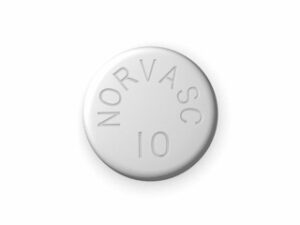


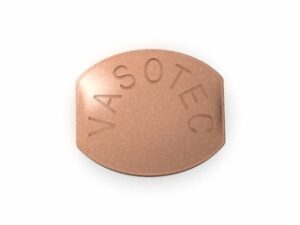
Enalapril (Enalapril Maleate) — Patient Information (Australia)
Enalapril is a medicine used to treat certain cardiovascular conditions such as high blood pressure and heart failure. It belongs to a class of medicines called ACE inhibitors (angiotensin-converting enzyme inhibitors). Enalapril helps reduce strain on the heart and blood vessels, improving symptoms and lowering the risk of complications.
This page provides general patient-friendly information about how enalapril works, how it is typically used, safety considerations, and practical tips to help you get the most from your treatment in Australia. Always follow the instructions given by your healthcare professional and the label on your medication.
Basic product information
| Category | Details |
|---|---|
| Generic name | Enalapril |
| Common form | Enalapril tablets (often as enalapril maleate) |
| Drug class | ACE inhibitor |
| Main uses | Hypertension, heart failure, and other selected cardiovascular conditions |
| How it’s taken | Oral tablets, once or twice daily depending on the condition |
Enalapril is available in Australia as a prescription medicine. If you are unsure whether it is appropriate for you, ask a pharmacist or doctor.
How enalapril works (mechanism of action)
Enalapril works by reducing production of angiotensin II, a substance that narrows blood vessels and increases blood pressure. It does this by inhibiting the ACE enzyme.
The main effects include:
- Lowering blood pressure by relaxing and widening blood vessels.
- Reducing workload on the heart, which can help in heart failure.
- Decreasing harmful vessel and fluid retention effects mediated by the renin–angiotensin–aldosterone system.
- Supporting circulation by improving blood flow to organs.
Enalapril also helps reduce progression of certain cardiovascular problems and may improve outcomes in selected people with heart failure or after heart-related events.
Pharmacokinetics (how the body handles enalapril)
Understanding pharmacokinetics helps explain onset and monitoring needs. Key points include:
- Absorption: Enalapril is absorbed from the gut after oral dosing.
- Activation: Enalapril is a prodrug; it is converted in the body to its active form, enalaprilat, which inhibits ACE.
- Peak levels: Active levels generally rise after dosing and are influenced by individual factors such as kidney function.
- Distribution: Enalaprilat distributes into body tissues including the cardiovascular system.
- Elimination: The drug and metabolites are primarily cleared through the kidneys.
- Half-life: The duration of effect depends on ACE inhibition and is affected by renal function; in kidney impairment, levels may rise.
Because renal clearance is important, people with kidney disease may require dose adjustments and closer monitoring (e.g., potassium and kidney function).
Typical uses and indications
Enalapril is used for:
- Hypertension (high blood pressure): to lower blood pressure and reduce risk of cardiovascular events.
- Heart failure: to improve symptoms, reduce hospitalisations, and support long-term heart function.
- Selected cardiac conditions: some people may be prescribed enalapril for additional cardiovascular indications based on clinical assessment.
Your doctor will determine whether enalapril is suitable for your specific condition, health history, and other medicines.
Timing: when and how to take enalapril
Enalapril is usually taken:
- Once or twice daily, depending on the condition and your prescribed regimen.
- At the same times each day to maintain steadier blood levels.
Starting doses and adjustments often occur gradually, especially for people with:
- heart failure,
- low blood pressure,
- kidney impairment, or
- dehydration or low fluid volume.
If you miss a dose, take it when you remember unless it is close to the next dose. Do not take a double dose. If you’re unsure, ask your pharmacist for guidance.
Food interactions
Enalapril can typically be taken with or without food. Food is not usually a major factor affecting effectiveness. However, your individual tolerance may vary.
Practical notes:
- Keep a consistent routine to help you remember your dose.
- If enalapril upsets your stomach, taking it with a small meal may help.
Alcohol and medicine interactions
Alcohol
Alcohol can lower blood pressure. When combined with enalapril, it may increase the likelihood of:
- dizziness
- light-headedness
- fainting (particularly when standing up quickly)
For many people, moderate alcohol may be tolerated, but alcohol may not be suitable for everyone—especially if you already feel dizzy or have low blood pressure. Discuss alcohol use with your healthcare professional.
Other important medicine interactions
Enalapril can interact with other medicines, potentially affecting kidney function, potassium levels, or blood pressure. Tell your doctor or pharmacist about all medicines you use, including over-the-counter products and herbal supplements.
Common interaction categories include:
- Potassium supplements and potassium-containing salt substitutes: may increase blood potassium levels (hyperkalaemia), which can be dangerous.
- Potassium-sparing diuretics (e.g., spironolactone, eplerenone, amiloride, triamterene): may increase potassium levels; monitoring is often required.
- Diuretics (water tablets): may enhance blood pressure lowering; dehydration can raise the risk of kidney issues. Your clinician may adjust doses or monitor closely.
- NSAIDs (e.g., ibuprofen, naproxen, diclofenac): can reduce kidney blood flow and may increase the risk of kidney impairment and elevated potassium, particularly in older adults or those with existing kidney disease or dehydration.
- Other blood pressure-lowering medicines (including nitrates, some antidepressants, or other heart medicines): may increase the effect on blood pressure, potentially causing dizziness.
- Medicines that affect the renin–angiotensin system: combining ACE inhibitors with certain related agents can increase the risk of kidney problems and high potassium. Your clinician will guide safe combinations.
- Lithium: ACE inhibitors can increase lithium levels; close monitoring is usually required if used together.
- Diabetes medicines (e.g., insulin, sulfonylureas): may increase risk of low blood sugar in some people; blood glucose monitoring may be needed.
For safety, always check with your pharmacist before starting a new medicine, including “just occasional” pain relief such as NSAIDs.
Dosing (typical approach)
Dosing of enalapril varies widely between individuals and depends on your condition, blood pressure, kidney function, and tolerance. The following overview describes common dosing patterns; your prescribed dose may differ.
- Hypertension: treatment usually starts with a low dose and may be increased gradually to reach an effective blood pressure target.
- Heart failure: dosing often starts low (particularly if you are prone to low blood pressure) and may be titrated based on symptoms, blood pressure, kidney function, and potassium.
- Kidney impairment: lower starting doses and slower titration are often needed because enalapril is cleared by the kidneys.
- Older adults: many people start low and monitor closely due to changes in kidney function and blood pressure sensitivity.
Important: do not change your dose without medical advice. If you feel unwell or your blood pressure is very low, contact your healthcare professional promptly.
Safety profile: what to watch for
Enalapril is generally well tolerated, but like all medicines it can cause side effects. Many are mild and improve as your body adjusts, while others require urgent attention. Your doctor and pharmacist can help you weigh benefits versus risks for your personal situation.
Common or expected effects
- Dry, persistent cough (a well-known effect of ACE inhibitors).
- Dizziness, especially when starting or increasing dose.
- Headache.
- Fatigue or weakness.
- Low blood pressure (particularly when standing up).
Less common but important effects
- Increased potassium (hyperkalaemia) — may be detected on blood tests.
- Changes in kidney function — also monitored with blood tests.
- Rash or taste changes (occasionally reported).
Serious warning signs (seek urgent medical help)
Contact emergency services or seek urgent medical assistance if you experience:
- Swelling of the face, lips, tongue, or throat (angioedema), or difficulty breathing.
- Severe dizziness or fainting that does not settle.
- Signs of very high potassium such as unusual muscle weakness or heartbeat irregularities (often detected via tests, but symptoms can occur).
- Severe allergic reaction (e.g., widespread hives, wheezing, or collapse).
- Reduced urine output or sudden fluid retention with worsening breathlessness.
If you have ever had angioedema with an ACE inhibitor, enalapril may not be appropriate—ask your clinician.
Practical use tips for safer, better results
- Monitor blood pressure if advised: especially during the first weeks after starting or dose changes. Home monitoring can help detect overly low blood pressure.
- Attend blood test appointments: clinicians commonly check kidney function (creatinine/eGFR) and electrolytes (especially potassium) after starting and during titration.
- Stand up slowly: to reduce dizziness and fall risk, particularly after the first dose or dose increases.
- Stay hydrated: especially during hot weather or if you are unwell with vomiting or diarrhoea. Dehydration can affect kidney function with ACE inhibitors.
- Tell clinicians about “sick days”: If you develop vomiting, diarrhoea, fever, or cannot drink normally, contact your healthcare professional for advice about continuing medicines.
- Be cautious with pain relief: Avoid or limit NSAIDs unless your pharmacist or doctor agrees. Ask what pain relief is safer for you.
- Don’t stop suddenly without advice: Abrupt changes can worsen blood pressure or heart failure control.
When enalapril may not be suitable
Enalapril might be unsuitable in certain situations. Discuss your health history with a clinician if you have:
- History of angioedema related to ACE inhibitors (or unknown cause).
- Pregnancy or planning pregnancy (ACE inhibitors are generally not recommended in pregnancy, particularly later trimesters).
- Severe kidney impairment or situations where your clinician advises caution.
- High potassium already present on blood tests.
- Significant narrowing of kidney arteries (renovascular disease) without specialist guidance.
If you think you may be pregnant, seek medical advice immediately. Do not delay.
Alternative options (discuss with your clinician)
If enalapril is not appropriate, not tolerated, or does not achieve adequate control, doctors may consider other options depending on your condition. Alternatives may include:
- Other ACE inhibitors (sometimes switching within the class is considered).
- ARBs (angiotensin receptor blockers), which work in a related pathway and may be an option for some patients, especially if cough occurs with ACE inhibitors.
- Other blood pressure medications such as calcium channel blockers, thiazide-type diuretics, or beta-blockers—selected based on comorbidities.
- Heart failure regimen optimisation: modern heart failure treatment can include multiple medicines, and the exact combination should be personalised.
A “one size fits all” approach does not apply. Your clinician will choose alternatives based on your symptoms, blood tests, and overall risk profile.
Market and legal context in Australia (overview)
In Australia, enalapril is regulated and supplied as a prescription medicine. The Therapeutic Goods Administration (TGA) oversees medicine quality, safety, and prescribing information. Pharmacies in Australia must follow legal requirements for dispensing, storage, and documentation.
Ongoing safety monitoring occurs through national pharmacovigilance systems. Healthcare professionals may update guidance based on new evidence.
If you are purchasing online, ensure the service is licensed and provides appropriate compliance and supply processes consistent with Australian law.
Recent guidance and monitoring (what to expect)
While specific recommendations can vary by patient group and clinical scenario, general current best practice for ACE inhibitors like enalapril includes:
- Regular monitoring of kidney function and potassium, especially after initiation and dose changes.
- Careful assessment of bleeding/bleeding risk is not typical for ACE inhibitors, but overall medication review remains important.
- Attention to “cough”: a persistent dry cough is commonly addressed by assessment of other causes (including respiratory infection) and may lead to switching medicines if needed.
- Medication reconciliation: clinicians often review NSAID use, supplements, and potassium-containing products to prevent adverse effects.
If you have not had blood tests recently, ask your doctor or pharmacist when they should be done and what results are expected.
Delivery and availability (Australia)
Availability of enalapril tablets can vary by strength and brand formulation. Many pharmacies and pharmacy distributors maintain stock for common strengths, while other strengths may require ordering. Delivery time can depend on location (metropolitan vs regional) and courier service.
When ordering online in Australia, check:
- Product strength and quantity (e.g., tablet strength and pack size).
- Manufacturer/brand details, if applicable.
- Estimated delivery timeframe at checkout.
- Packaging and temperature handling requirements (most tablet medicines are stable under normal conditions, but follow storage instructions).
Keep your medicine in a cool, dry place and out of reach of children, unless your pharmacist advises otherwise.
FAQ about enalapril
1. How long does enalapril take to work?
Some blood-pressure lowering may begin after the first dose, but the full effect can take days to weeks as your body adjusts and your dose is titrated. For heart failure, symptom changes may be noticeable over time and often require ongoing management and monitoring.
2. Should I take enalapril every day?
Yes. Enalapril is usually taken long-term to help control blood pressure and/or heart failure. Do not stop suddenly without advice, even if you feel better.
3. What if I get a dry cough?
A persistent dry cough is a known side effect of ACE inhibitors. It can begin soon after starting or develop later. Contact your pharmacist or doctor to discuss whether to continue, adjust, or switch medicines—especially if the cough is troublesome or associated with breathing problems.
4. Can I take ibuprofen or other pain relievers?
NSAIDs like ibuprofen may increase the risk of kidney problems and elevated potassium when used with ACE inhibitors, particularly in certain risk groups. Ask your pharmacist for the safest option for your pain and your health profile.
5. What blood tests are needed?
Common monitoring includes kidney function (creatinine/eGFR) and electrolytes (especially potassium). Your clinician will advise when to test and how often based on your condition and dose.
6. Can I drink alcohol while taking enalapril?
Alcohol can increase the chance of dizziness and low blood pressure. If you choose to drink, do so carefully and avoid excess. If you’ve experienced dizziness previously, consider avoiding alcohol and discuss with your clinician.
7. What should I do if I miss a dose?
Take it when you remember unless it is close to the next dose. Do not take a double dose. If you’re unsure, consult your pharmacist.
8. Is enalapril safe in pregnancy?
ACE inhibitors like enalapril are generally not recommended during pregnancy. If you are pregnant, planning pregnancy, or become pregnant while taking it, seek medical advice promptly.
9. Who should be extra cautious?
Extra caution and monitoring may be needed if you have kidney disease, diabetes, dehydration, are elderly, or take medicines that affect potassium or kidney function. Your pharmacist can help review your full medication list.
10. Does enalapril cause dizziness when standing?
It can. Dizziness is often more noticeable at the start of treatment or after dose increases. Stand up slowly and monitor how you feel. If dizziness is severe or you faint, seek urgent medical advice.
Summary
Enalapril is an ACE inhibitor used in Australia to manage conditions such as hypertension and heart failure. It helps relax blood vessels and reduce strain on the heart. Effective use typically involves consistent daily dosing, monitoring of kidney function and potassium, and careful attention to potential interactions—particularly with potassium supplements, NSAIDs, and other blood pressure medicines.
If you have questions about how to take enalapril safely, what interactions to watch for, or when to arrange blood tests, speak with a healthcare professional or pharmacist.