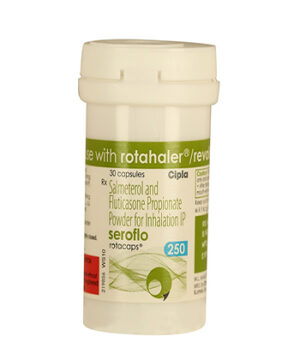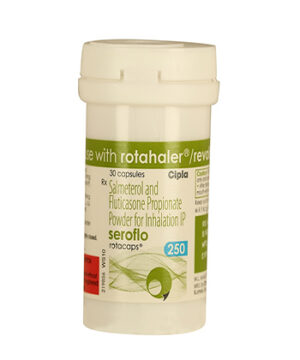
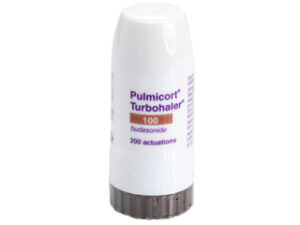
Seroflo Inhaler (Fluticasone + Salmeterol) — Patient Information (Australia)
Seroflo Inhaler is a combination “controller” inhaler used for long-term management of asthma and, in some situations, chronic obstructive pulmonary disease (COPD). It contains two medicines: fluticasone and salmeterol. Fluticasone reduces inflammation in the airways, while salmeterol helps keep the airways open by relaxing airway muscles.
This page provides clear, patient-friendly information to help you understand how Seroflo works, how to use it properly, and what to watch for. Always follow the advice provided by your healthcare professional and the product’s consumer medicine information (CMI).
Quick Summary
- Active ingredients: Fluticasone + Salmeterol
- Type: Combination inhaler (inhaled corticosteroid + long-acting beta2 agonist)
- Used for: Long-term control of asthma; may be used as part of COPD management in selected patients
- Not for: Fast relief of sudden breathing trouble (use a separate “reliever” inhaler if prescribed)
- How it helps: Reduces airway inflammation and helps prevent symptoms from returning
- Typical timing: Usually taken twice daily with regular use
Basic Product Information
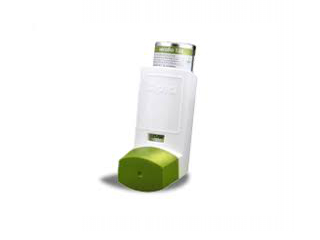
Seroflo Inhaler is a pressurised metered-dose inhaler (often described as a pMDI). Different strengths are available depending on the device and product range used in Australia.
| Feature | What it means for you |
|---|---|
| Medicine class | Inhaled corticosteroid (ICS) + long-acting beta2 agonist (LABA) |
| What fluticasone does | Controls airway inflammation and reduces flare-ups over time |
| What salmeterol does | Relaxes airway muscles to improve breathing for up to ~12 hours |
| How it’s taken | By inhalation, usually morning and evening |
| Key benefit | Improves symptoms, reduces exacerbations, and supports lung function |
How Seroflo Works (Mechanism of Action)
1) Fluticasone (Inhaled Corticosteroid)
Fluticasone is an anti-inflammatory medicine. In asthma and some COPD-related airway problems, inflammation makes the airways swollen and sensitive. This causes coughing, wheezing, chest tightness, and shortness of breath.
Fluticasone helps:
- Reduce inflammatory cells and chemical messengers in the airways
- Decrease swelling and mucus production
- Improve airway responsiveness over time
2) Salmeterol (Long-Acting Beta2 Agonist)
Salmeterol is a bronchodilator. It acts on beta2 receptors in the smooth muscle of the airways, promoting relaxation. This reduces the “tightness” around the airways and helps them stay open.
Unlike short-acting relievers, salmeterol is designed to provide long-lasting bronchodilation, supporting symptom control over roughly half a day.
Why the combination matters
Using both components together treats two major aspects of asthma/COPD: inflammation (fluticasone) and bronchoconstriction (salmeterol). When used regularly, this combination can reduce the frequency and severity of exacerbations.
Pharmacokinetics (Absorption, Distribution, Metabolism, Excretion)
After inhalation, much of the medication reaches the lungs, while some may be swallowed. The overall effect is mainly local in the airways. Key points include:
- Absorption: A portion of the inhaled dose is deposited in the lungs; some is swallowed and absorbed from the gastrointestinal tract.
- Distribution: Active components can distribute throughout the body; however, inhaled delivery targets the lungs.
- Metabolism: Fluticasone is mainly metabolised in the liver (commonly via CYP3A4). Salmeterol is also metabolised primarily in the liver.
- Excretion: Metabolites are eliminated primarily through faeces and urine.
Because both medicines undergo liver metabolism, drug interactions that affect liver enzymes can alter levels of these medicines (see “Medicine Interactions” below).
Typical Use: What Seroflo Is Prescribed For
Asthma
Seroflo is used for the long-term control of asthma in people who require:
- Regular anti-inflammatory therapy (ICS) and
- Additional long-acting bronchodilation to improve control
It aims to reduce symptoms, improve day-to-day breathing, and lower the risk of asthma attacks.
COPD (Chronic Obstructive Pulmonary Disease)
In selected patients, an ICS/LABA combination may be used as part of COPD management, particularly for those with a history of exacerbations and specific clinical features. Your clinician will determine whether this combination is appropriate for you.
Important note
Seroflo is generally not a rescue inhaler. If you have sudden severe symptoms, you should use your prescribed reliever medication (often a short-acting beta2 agonist) and seek urgent medical care if symptoms are severe or worsening.
How and When to Take Seroflo (Timing & Routine)
Seroflo is typically taken twice daily (morning and evening), with consistent spacing between doses. Using it at the same times each day helps maintain steady control.
- Morning dose: Take as soon as it fits your schedule
- Evening dose: Take before bedtime or at a consistent evening time
- Regular use matters: The anti-inflammatory effects build over time
Many people notice improvement within days, but full benefit from inhaled corticosteroids can take longer—often several days to weeks—depending on the individual and severity of airway inflammation.
Food Interactions
Food is not usually expected to have a major effect on Seroflo because it is delivered by inhalation and acts mainly in the lungs. However:
- There may be a small swallowed portion after inhalation.
- Taking doses around meals generally does not meaningfully change effectiveness.
If you experience throat irritation or hoarseness, rinsing your mouth after using your inhaler may help.
Alcohol Interactions
Moderate alcohol use is not typically considered a direct interaction with Seroflo. However, heavy alcohol intake can worsen breathing problems indirectly by affecting sleep quality, hydration, and overall health.
If you have liver disease or you’re taking medicines that strongly affect liver enzymes, discuss alcohol use with your healthcare professional.
Medicine Interactions (Including Common Ones)
Because fluticasone and salmeterol are metabolised in the liver (commonly involving CYP3A4), some medicines can increase or decrease the levels of Seroflo components. This may change risk of side effects or reduce effectiveness.
Medicines to be careful with
- CYP3A4 inhibitors (can increase fluticasone exposure) such as certain:
- Some antifungal medicines (e.g., ketoconazole, itraconazole)
- Some antibiotics (e.g., clarithromycin)
- Some antiviral medicines used for HIV/HCV
- Some medicines used for fungal infections or other conditions
- Other bronchodilators (especially if combined frequently) may increase risk of side effects such as fast heartbeat or tremor.
- Beta-blocker medicines (including some eye drops) may reduce the effect of salmeterol.
- Diuretics (“water tablets”) and other medicines affecting potassium may increase risk of low potassium, which can affect heart rhythm—especially if you also use high doses of beta2 agonists.
Always tell your clinician or pharmacist
- All medicines you use (including tablets, inhalers, eye drops, and herbal products)
- Recent medicine changes
- Any history of medication side effects
Dosing (Typical Regimens)
The correct dose depends on your condition, severity, and the strength of the Seroflo inhaler you have been given. Do not change your dose unless advised by your healthcare professional.
- Common schedule: Twice daily dosing
- Strength: varies between products
- Technique and adherence: both strongly influence control
If you miss a dose, take it when you remember unless it is close to your next dose. If you are unsure, ask your pharmacist. Avoid doubling doses to compensate.
Safety Profile: Side Effects and What to Watch For
Like all medicines, Seroflo can cause side effects. Many are mild and improve as your body adjusts. Because inhaled medicines can still affect the whole body (especially at higher doses), it’s important to use the lowest effective dose and review your treatment regularly.
Common side effects
- Throat irritation or hoarseness
- Oral thrush (candida infection) — more likely if mouth is not rinsed after use
- Tremor or mild shakiness
- Headache
- Muscle cramps (occasionally)
Less common but important side effects
- Fast or irregular heartbeat, palpitations
- Worsening of asthma control if used incorrectly or if not used regularly
- Adrenal suppression or reduced body stress response with prolonged high-dose inhaled steroids (rare with appropriate dosing but possible)
- Bone thinning risk with long-term high doses (requires monitoring in selected patients)
- High blood sugar (particularly in people with diabetes or at higher doses)
- Eye problems (cataracts, glaucoma) with long-term corticosteroid exposure
Seek urgent help if
- Your breathing suddenly worsens or you need your reliever repeatedly
- You develop severe chest tightness, blue lips, or trouble speaking due to breathlessness
- You feel faint, have severe palpitations, or experience chest pain
- You show signs of severe allergic reaction (swelling of face/lips, difficulty breathing, hives)
How to reduce common risks
- Rinse your mouth after each dose to reduce thrush and hoarseness.
- Use the correct inhalation technique (consider a spacer if advised).
- Report side effects early so your dose can be reviewed if needed.
Practical Use Tips (How to Get the Best Results)
Proper inhaler technique is one of the most important factors for effective asthma/COPD control. If your symptoms aren’t improving, technique should be checked before changing the dose.
General steps for a pressurised inhaler (pMDI)
- Check the inhaler: Make sure the canister is properly seated and the mouthpiece is clean.
- Shake the inhaler if the device instructions say to do so.
- Breathe out gently away from the mouthpiece.
- Seal lips around the mouthpiece and start a slow, deep breath in.
- Press down once on the canister at the start of the breath in.
- Keep breathing in slowly and deeply for several seconds.
- Hold your breath for about 5–10 seconds (or as comfortable).
- Wait between puffs if more than one puff is prescribed.
If your inhaler requires a spacer, it can improve delivery to the lungs and reduce throat deposition. A pharmacist can demonstrate technique and spacer use.
Rinsing after inhalation
- Rinse your mouth with water after each dose.
- Spit out the water (do not swallow) to help reduce thrush risk.
Storage and care
- Store at room temperature unless the label states otherwise.
- Keep away from direct heat/flames (aerosol canisters are pressurised).
- Do not puncture or burn the canister.
Alternative Options (Discuss with Your Pharmacist/Clinician)
Several treatment pathways exist for asthma and COPD in Australia. Alternatives may include:
- Inhaled corticosteroid (ICS) alone for asthma control in selected people
- ICS/LABA combinations other than Seroflo (different strengths and devices)
- Reliever (short-acting) inhalers such as salbutamol for quick relief
- Other LABA or triple-therapy options (ICS/LABA/LAMA) for some COPD patients
- Different device types (dry powder inhalers) if pMDIs are difficult to use
- Non-inhaled options for specific cases as determined by your healthcare team
If you find your technique difficult or symptoms remain uncontrolled, ask whether a different device strength or add-on therapy may be more suitable.
Market and Legal Context for Australia
In Australia, medicines are regulated by the Therapeutic Goods Administration (TGA). Inhaled medicines used for asthma and COPD are supplied through community pharmacies. Availability and product presentation can vary by brand and strength.
Consumer medicine information (CMI) documents and product listings help confirm:
- Approved indications
- Dosing instructions and device steps
- Side effect and safety information
- Contraindications and key warnings
Your pharmacy can also advise on current availability, packaging, and any changes to product supply in the Australian market.
Recent Guidance and Best-Practice Notes (Australia)
Clinical guidance for asthma/COPD management consistently emphasises:
- Regular controller therapy for persistent asthma
- Correct inhaler technique and checking technique at reviews
- Stepwise adjustment of treatment based on symptom control and exacerbation history
- Using reliever medication appropriately for sudden symptoms
- Minimising corticosteroid exposure to the lowest effective dose once stable
If you experience frequent symptoms, nighttime waking, or repeated reliever use, your plan may need review—this does not usually mean increasing controller doses without guidance.
Delivery, Packaging, and Availability (Online Pharmacy)
Availability of Seroflo inhalers can vary depending on the exact strength and device format. When ordering online, you may be offered current in-stock options or notified of expected dispatch times.
- Dispatch: orders are typically prepared during business hours
- Delivery: delivery times depend on your location and the courier service
- Packaging: products are usually supplied in manufacturer/wholesale packaging for safety and authenticity
- Stock changes: supply can change due to demand and distribution schedules
If you require a specific strength, it’s helpful to check you’re selecting the exact product you’ve used before.
FAQ — Seroflo Inhaler
1) Is Seroflo a reliever inhaler?
No. Seroflo is a controller inhaler intended for long-term control. It is not designed to rapidly relieve sudden symptoms. If you have an asthma/COPD action plan, follow it and use your reliever inhaler as directed.
2) How quickly will I feel better?
Some improvement may occur within days, especially from the bronchodilator component. However, the full benefit of the anti-inflammatory effect of fluticasone often takes longer. Consistent twice-daily use is important.
3) Should I rinse my mouth after using Seroflo?
Yes. Rinsing and spitting after each dose reduces the risk of oral thrush and hoarseness.
4) What if my symptoms get worse?
If breathing worsens, follow your action plan and use your prescribed reliever medication. Contact your healthcare provider promptly for advice—especially if you need reliever treatment more often, symptoms wake you at night, or you’re not responding as usual.
5) Can I stop Seroflo once I feel well?
Do not stop suddenly without medical advice. Stopping a controller inhaler can increase risk of symptom return and flare-ups. If you’re stable, your clinician may consider step-down treatment.
6) What should I do if I miss a dose?
Take the missed dose when you remember unless it is close to the time of your next scheduled dose. Do not double up unless instructed by your healthcare professional.
7) Are there any food or alcohol restrictions?
Food interactions are not usually significant. Moderate alcohol is not typically a direct interaction, but heavy drinking can worsen health and potentially breathing comfort. Always consider your overall health and other medicines.
8) Can other medicines interact with Seroflo?
Yes. Medicines that affect liver enzymes (particularly CYP3A4 inhibitors), certain antibiotics/antifungals, and beta-blockers may influence effects or side-effect risk. Tell your pharmacist about all medicines you take.
9) Do I need a spacer?
Some patients benefit from a spacer for better delivery and fewer throat side effects. Whether you should use one depends on your device and technique. Ask your pharmacist to demonstrate and recommend what’s appropriate for you.
10) How do I know my inhaler technique is correct?
If you’re unsure, ask a pharmacist to observe your technique. Common issues include timing the press incorrectly, not breathing in slowly enough, or not holding your breath after inhaling.
When to Discuss Seroflo With Your Healthcare Professional
- If you have frequent symptoms or require reliever inhalations more often than usual
- If you develop hoarseness, mouth soreness, or symptoms suggestive of thrush
- If you experience palpitations, tremor that is troublesome, or other new side effects
- If you are starting new medicines (including antifungals or antibiotics)
- If you have other conditions such as diabetes, heart rhythm problems, glaucoma, or cataracts
Seroflo can be an effective part of long-term respiratory care when used correctly and consistently. If you’d like, you can ask your pharmacist to help confirm the best inhaler technique and whether the chosen strength matches your treatment plan.