
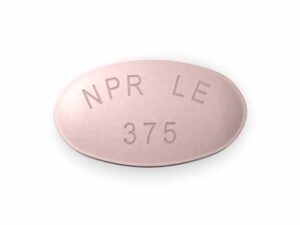

Neoral (Cyclosporine) — Patient-Friendly Guide (Australia)
Neoral is a brand of cyclosporine, an immunosuppressant medicine used to prevent and treat certain immune-related conditions. It works by reducing the activity of the body’s immune system, helping protect transplanted organs and controlling immune-driven disease.
This guide explains how Neoral works, how it is typically taken, important interactions (including with food, alcohol, and other medicines), and practical tips to support safe use in everyday life. It is written for people in Australia who may be considering or currently using Neoral.
Quick product information
- Medicine name: Neoral
- Active ingredient: Cyclosporine
- What it is: Immunosuppressant (calcineurin inhibitor)
- Common forms: Capsules and oral solution (availability may vary)
- Typical purpose: Prevent rejection in transplant patients; treat certain immune diseases
- Important note: Neoral is a medicine that requires careful monitoring in many patients.
How Neoral works (mechanism of action)
Cyclosporine (the active ingredient in Neoral) suppresses immune responses by blocking an enzyme called calcineurin inside certain immune cells (T-lymphocytes).
Normally, calcineurin helps turn on immune signals that lead to activation and proliferation of T-cells. By inhibiting this pathway, cyclosporine:
- reduces the production of immune signalling chemicals (cytokines, including interleukins);
- lowers T-cell activity;
- helps the immune system “calm down,” reducing immune attack on transplanted organs or inflamed tissues.
Pharmacokinetics (how the body handles Neoral)
Pharmacokinetics describes how a medicine is absorbed, distributed, metabolised, and eliminated. Cyclosporine has complex absorption and can vary between individuals.
- Absorption: Neoral (a specific formulation of cyclosporine) is designed to improve and stabilise oral absorption compared with older cyclosporine formulations.
- Time to effect: Clinical benefit can develop over days to weeks, but some outcomes (such as transplant protection) rely on maintaining appropriate levels consistently.
- Metabolism: Primarily metabolised by the liver enzyme system CYP3A.
- Elimination: Mostly eliminated via bile and faeces; kidney function may also play a role in overall health monitoring.
- Therapeutic monitoring: Blood level monitoring is commonly used to ensure adequate immunosuppression while reducing toxicity risk.
Because cyclosporine exposure can change with drug interactions and food habits, many patients benefit from consistent dosing routines and regular monitoring.
Typical uses in clinical practice
Neoral is used in conditions where controlling immune activity is beneficial. The exact approved indications and recommended approach can vary based on clinical guidelines and local regulatory listing.
Common categories of use include:
- Organ transplantation: prevention of rejection in patients receiving solid-organ transplants.
- Immune-mediated diseases: treatment of selected inflammatory/autoimmune conditions when other options may be insufficient or not appropriate.
Your healthcare team will choose whether Neoral is suitable for your specific condition and will outline how it should be monitored.
Indications (what Neoral may be used for)
While indications can vary by product listing and local clinical practice, cyclosporine is generally indicated for:
- Transplantation: prophylaxis against organ rejection.
- Severe immune/inflammatory conditions: selected cases where immunosuppression is required and benefits outweigh risks.
If you are unsure whether Neoral is intended for your condition, check the medication label directions and ask your clinician or pharmacist.
How to take Neoral: timing, consistency, and practical routines
Taking Neoral consistently helps maintain stable medicine levels. Follow your healthcare professional’s instructions. Below are common principles that often apply.
Typical timing
- Twice daily dosing (common): many patients take doses morning and evening.
- Try to keep dosing times steady: set reminders so doses are not delayed or missed.
- Do not change dose on your own: dose adjustments are often based on symptoms and blood tests.
Do not “double up”
If you miss a dose, take it when you remember unless it is close to the next dose. Avoid taking two doses at once. Follow the guidance provided by your pharmacist or product information sheet.
Practical use tips
- Use the same routine each day: consistency improves predictability of absorption.
- Keep track: consider a medication diary or smartphone reminder.
- Keep all monitoring appointments: frequent blood tests are often required, especially early in therapy.
- Watch for infection signs: fever, sore throat, unusual cough, or burning with urination may require prompt advice.
Dosing overview (important note)
Dosing of cyclosporine is highly individual and depends on the condition being treated, patient factors, and blood test results. The specific dose and target may differ from person to person.
In general, dosing involves:
- starting with an initial dose chosen by your clinician;
- adjusting based on response and safety monitoring;
- using blood level testing (where recommended/appropriate) to guide dose changes.
Do not use this website text to determine your dose. Always follow your prescriber and pharmacist instructions.
Food interactions: what to know
Food can affect how cyclosporine is absorbed. For many people, consistency is key. Follow the specific directions given for your prescription and formulation.
- Grapefruit and grapefruit juice: may increase cyclosporine levels due to effects on CYP enzymes—avoid unless your clinician says otherwise.
- High-fat meals: may alter absorption patterns in some formulations and individuals. Keep your routine consistent.
- General approach: take Neoral in a consistent relationship to meals (e.g., always with or always without food), if advised by your healthcare team.
If you have dietary questions, ask your pharmacist—especially if you recently changed meal patterns, eating times, or weight.
Alcohol and medicine interactions
Alcohol
Alcohol does not directly replace or negate cyclosporine’s effect, but it can increase stress on the liver and may worsen side effects such as:
- tiredness, dizziness;
- gastrointestinal upset;
- liver strain in people with impaired liver function.
If you drink alcohol, discuss an appropriate amount with your clinician. In general, limiting alcohol is a safe approach.
Key medicine interactions (very important)
Cyclosporine is metabolised by CYP3A and is also a substrate of drug transport proteins. Many medicines can increase or decrease cyclosporine levels, raising the risk of toxicity or treatment failure.
| Medicine/Category | Potential interaction with cyclosporine | What to do |
|---|---|---|
| Antifungals (e.g., azoles) | Can increase cyclosporine levels → higher risk of kidney/liver effects | Tell your pharmacist/doctor; monitoring may be required |
| Antibiotics (e.g., macrolides) | Can increase cyclosporine levels | Do not start/stop antibiotics without checking interactions |
| Antivirals (some types) | May alter cyclosporine metabolism | Check with your clinician—dose or monitoring may change |
| Non-steroidal anti-inflammatory drugs (NSAIDs) (e.g., ibuprofen) | May increase risk of kidney issues when combined | Use only if advised; ask about safer alternatives |
| Diuretics (water tablets) | May affect kidney function and electrolyte balance | Monitoring may be needed |
| Potassium supplements / potassium-sparing medicines | May increase potassium levels | Ask your pharmacist for guidance and blood test targets |
| St John’s wort (herbal) | Can decrease cyclosporine levels → risk of rejection or loss of disease control | Avoid unless your clinician explicitly approves |
| Live vaccines | Reduced immune response/increased risk | Discuss vaccination timing with your clinician |
This is not a complete list. Always inform your pharmacist about all medicines and supplements you use, including over-the-counter products and herbal therapies.
Safety profile: common risks and when to seek help
Neoral can be effective, but because it suppresses the immune system and affects organs such as the kidneys and liver, it requires careful attention to side effects and regular monitoring.
Common or known side effects
- Headache
- Tremor
- Gastrointestinal upset (nausea, diarrhoea)
- High blood pressure
- Increased hair growth and/or gingival (gum) changes
- Changes in kidney function (may be mild early but can be serious)
- Elevated potassium or altered electrolytes (depending on other medicines)
Serious risks (seek urgent advice if these occur)
- Signs of serious infection: persistent fever, severe sore throat, shortness of breath, chills, or rapidly worsening symptoms
- Allergic reactions: swelling of face/lips, hives, difficulty breathing
- Severe kidney symptoms: markedly reduced urine, swelling in legs/face, severe fatigue
- Severe liver issues: yellowing of eyes/skin, dark urine, severe upper abdominal pain
- High blood pressure symptoms: severe headache, vision changes, chest pain (urgent)
Many side effects are manageable with monitoring and dose adjustment. Contact your healthcare team promptly if you notice new or worsening symptoms.
Monitoring that may be recommended
Monitoring plans vary by indication and individual risk factors but often include:
- Blood tests: kidney function, liver enzymes, electrolytes (e.g., potassium), and sometimes drug levels
- Blood pressure checks
- General health checks: infection surveillance and assessment of symptoms
- Skin checks: your clinician may recommend periodic checks, especially with long-term immunosuppression
Guidance on practical use: daily habits that help
- Stay consistent with timing and food: take Neoral at the same times each day and follow instructions about meals.
- Hydration: maintain normal hydration unless your clinician has restricted fluids.
- Use sun protection: immunosuppression can increase skin cancer risk—use SPF, protective clothing, and avoid excessive sun.
- Oral care: gum changes can occur—maintain good dental hygiene and see your dentist regularly.
- Medication list: carry an up-to-date list of medicines and doses (including OTC and herbal products).
- Avoid non-essential changes: before starting new products (especially herbal supplements), check interactions.
Alternative options (discuss with your clinician)
Depending on your condition, an alternative immunosuppressant may be considered if Neoral is not suitable, causes side effects, or interactions are problematic. Options may include other cyclosporine formulations or other classes of immunosuppressive medicines.
Possible alternatives may include:
- Other calcineurin inhibitors (e.g., tacrolimus) in certain situations
- Other immunosuppressive agents (chosen based on the condition and your overall regimen)
- Different cyclosporine formulations if appropriate for your treatment goals
The best alternative depends on your medical history, transplant status, disease type, laboratory results, and interaction risks. Never switch formulations or stop therapy without clinician guidance.
Neoral in Australia: market, legal, and pharmacy context
In Australia, immunosuppressant medicines like Neoral are regulated and dispensed through legal pharmacy channels according to the Australian regulatory framework. Requirements may include:
- Appropriate prescribing and patient suitability checks by authorised healthcare professionals
- Pharmacist review for interactions and safety considerations
- Monitoring recommendations tailored to the patient’s condition
Product availability can vary by formulation (capsules vs oral solution) and supply chain changes. Your local pharmacist can confirm the current availability and any equivalent options.
Recent guidance and updates (how to stay current)
Guidance for immunosuppressant use may evolve over time, especially regarding monitoring practices, interaction management, and infection prevention. In Australia, clinicians typically align decisions with:
- local prescribing guidelines and specialist recommendations;
- pharmacovigilance updates and safety communications;
- standard principles for therapeutic drug monitoring and risk management.
Because details can change, it’s wise to check that your information matches your latest product information and your healthcare team’s plan. If you receive new laboratory results or start a new medicine, ask whether any updates to your monitoring schedule are needed.
Delivery and availability (online pharmacy)
Online pharmacies in Australia may offer delivery to eligible locations, subject to availability and regulatory requirements. Delivery times depend on:
- stock status of your selected strength and form (capsules vs oral solution);
- dispensing workload;
- courier routes and public holiday schedules.
When ordering, ensure your details are correct (including delivery address and contact number). If you require urgent supply, contact the pharmacy to discuss stock and dispatch timing.
Availability can differ between brands and formulations. Your pharmacist can help confirm the best match for your treatment plan.
FAQ
1. Why do people take cyclosporine at specific times each day?
Neoral absorption and blood levels can vary. Taking it consistently helps maintain steadier medicine exposure, which is especially important when preventing transplant rejection or controlling immune disease.
2. Do I need regular blood tests while using Neoral?
Many patients require monitoring of kidney function, liver function, electrolytes, and sometimes cyclosporine blood levels. This helps balance effectiveness with safety.
3. Can I take Neoral with food?
Food can affect absorption. It’s often best to maintain a consistent approach relative to meals (with or without food) as instructed by your clinician or pharmacist.
4. Are there foods I should avoid?
Grapefruit and grapefruit juice are commonly advised against because they may increase cyclosporine levels. If you have dietary concerns, ask your pharmacist for advice tailored to your situation.
5. Can I drink alcohol while taking Neoral?
If you drink alcohol, do so cautiously. Alcohol may worsen side effects and add extra strain on the liver in some people. Discuss a safe approach with your healthcare team.
6. What medicines should I be especially careful with?
Tell your pharmacist about all medicines and supplements—especially drugs that affect liver enzymes or kidney function, including antifungals, some antibiotics, NSAIDs, and herbal products such as St John’s wort.
7. What should I do if I miss a dose?
Take it when you remember unless it’s close to the next dose. Avoid taking two doses together. Follow advice from your pharmacist or the medication information provided with your supply.
8. How long does it take to work?
Some effects may begin within days, but full disease control or transplant protection relies on consistent dosing and monitoring. Your clinician can give an expected timeline for your condition.
9. When should I seek urgent medical help?
Seek urgent help for signs of severe infection (high fever, shortness of breath), allergic reactions (swelling, difficulty breathing), symptoms of serious kidney or liver problems, or significantly worsening symptoms.
10. Are there alternatives if I can’t tolerate Neoral?
There may be alternatives depending on your condition, such as other immunosuppressive medicines or other formulations. Discuss options with your clinician before changing therapy.
Important: This information is general and cannot replace advice from your clinician or pharmacist. If you have questions about your specific treatment plan, safety monitoring, or interactions, speak with a healthcare professional.