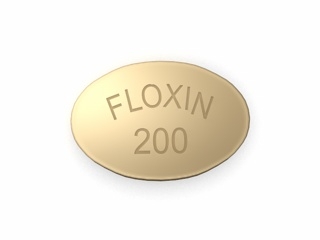

Floxin (Ofloxacin) — Patient Guide (Australia)
Floxin contains ofloxacin, an antibiotic medicine used to treat certain bacterial infections. This guide explains what Floxin is, how it works, how it is used, what to expect, and important safety information. It is written for patients and carers in Australia.
| Item | What you can expect |
|---|---|
| Active ingredient | Ofloxacin |
| Medicine type | Fluoroquinolone antibiotic |
| Common forms | Oral tablets (and in some settings, other formulations may exist) |
| Common use | Treating susceptible bacterial infections (site varies by condition) |
| How it works | Stops bacteria from copying and repairing their DNA |
| Typical course length | Depends on the infection and your doctor’s plan |
Basic product information
Floxin is the brand name of ofloxacin, an antibiotic in the fluoroquinolone family. Fluoroquinolones work against many bacteria by targeting processes bacteria need to survive and multiply.
In Australia, antibiotic use is guided by local clinical practice and antimicrobial stewardship principles. This helps ensure antibiotics remain effective and reduces the risk of antibiotic resistance.
How Floxin (Ofloxacin) works (mechanism of action)
Ofloxacin works by interfering with bacterial enzymes required for DNA function:
- DNA gyrase (topoisomerase II)
- Topoisomerase IV
By inhibiting these enzymes, ofloxacin prevents bacteria from properly replicating and repairing their DNA, leading to bacterial death or preventing bacterial growth.
Pharmacokinetics (how the body handles ofloxacin)
Pharmacokinetic details can vary somewhat between individuals. The key points below are helpful for understanding timing, food interactions, and why some medicines must be separated from ofloxacin.
- Absorption: Ofloxacin is absorbed after you take it by mouth.
- Distribution: It distributes into many tissues and body fluids, where it can reach sites of infection.
- Protein binding: It binds to blood proteins to some extent.
- Metabolism & elimination: It is cleared mainly through the kidneys. This is one reason kidney function matters for safe dosing.
- Half-life (conceptual): The medicine’s concentration decreases gradually over hours, supporting dosing schedules used for different infections.
If you have reduced kidney function, you may require dose adjustments and closer monitoring.
Typical uses (indications)
Floxin is used for infections caused by bacteria that are susceptible to ofloxacin. The exact indication depends on local guidelines and the type of infection.
Examples of infection types that may be treated with fluoroquinolones include:
- Some urinary tract infections
- Some prostatitis (inflammation/infection of the prostate)
- Certain respiratory infections where appropriate
- Some skin and soft tissue infections
- Some gastrointestinal infections caused by susceptible organisms
Antibiotic choice also depends on culture results (if available), severity of illness, allergy history, and local resistance patterns.
When you should take Floxin (timing and dosing routine)
The timing of doses matters for effectiveness and to reduce side effects. Follow the dosing schedule provided to you. Below are general timing principles that apply in many cases:
- Try to take it at the same times each day to keep blood levels steady.
- Complete the full course as directed, even if you feel better.
- If you miss a dose, take it when you remember unless it is near the time of the next dose. Do not double to make up for a missed dose.
How to take Floxin with food (food interactions)
Food can influence how much ofloxacin your body absorbs. Many people can take ofloxacin with or without food, but absorption may be affected by certain foods and supplements. A key issue is the presence of minerals that bind to antibiotics.
General guidance
- Take with water.
- If it upsets your stomach, taking it with a meal may improve tolerance.
- Avoid taking it at the same time as supplements that contain minerals that bind quinolones.
Minerals and binding agents (important)
Certain products can reduce absorption and make the antibiotic less effective. Separate these by a time gap unless your pharmacist advises otherwise:
- Antacids containing aluminium or magnesium
- Iron supplements
- Zinc supplements
- Calcium supplements or high-dose dairy at the same time as your dose
- Some multivitamins that contain these minerals
Practical approach: take Floxin, then separate mineral-containing products by at least a couple of hours (exact timing may vary by product and your regimen—ask a pharmacist for the safest spacing).
Alcohol and medicine interactions
There is no absolute rule that you must avoid alcohol for all patients taking ofloxacin, but alcohol can:
- Increase the chance of side effects such as dizziness,
- Worsen dehydration or sleep quality during illness
- Make it harder to judge how you feel while your body is fighting infection
Safer option: consider limiting or avoiding alcohol while you are on Floxin, especially if you feel unwell. If you have liver problems, neurological conditions, or you are taking other medicines, it’s best to discuss alcohol with a clinician.
Medicine interactions (what to tell your pharmacist)
Tell your pharmacist or doctor about all medicines you take, including over-the-counter products, vitamins, supplements, and herbal remedies. Some medicines may interact with ofloxacin.
Common interaction themes
- Mineral-containing products (antacids, iron, zinc, magnesium, calcium): reduce absorption.
- Blood thinning medicines (e.g., warfarin): may increase bleeding risk in some patients.
- Seizure-risk medicines or conditions: fluoroquinolones may affect the nervous system in susceptible individuals.
- Diabetes medicines (e.g., insulin, sulfonylureas): antibiotics in this class can, in rare cases, affect blood sugar.
- Non-steroidal anti-inflammatory drugs (NSAIDs): may influence the risk of nervous system side effects.
What to do
- Share a complete list of medicines when collecting Floxin.
- Do not start new supplements during your course without checking.
- If you take warfarin or other blood thinners, you may need monitoring.
Dosing information (general guidance)
Dosing depends on the infection type, severity, your kidney function, and other risk factors. Always follow the dose and schedule provided to you by your healthcare professional.
Common factors that affect dosing include:
- Age and overall health
- Kidney function
- Severity of infection
- Whether the infection is uncomplicated or more complex
- Whether culture results identify a susceptible bacteria
Practical dosing tips
- Use a reminder (phone alarm) to reduce missed doses.
- Keep doses consistent with meal/mineral timing advice.
- If you develop vomiting or severe diarrhoea, contact a clinician—absorption may be reduced.
Safety profile (important risks and when to seek help)
Most people tolerate Floxin well, but it can cause side effects. Serious adverse effects are uncommon, but you should know what to watch for. If you experience severe, persistent, or worsening symptoms, contact a doctor or urgent care promptly.
Common side effects
- Nausea, upset stomach, or indigestion
- Diarrhoea (mild to moderate)
- Headache
- Dizziness
- Changes in sleep (some patients)
Serious or urgent symptoms (seek urgent medical advice)
- Tendon pain or swelling, especially the Achilles tendon; avoid exercise and seek advice immediately if pain occurs.
- Severe allergic reaction such as swelling of face/lips, breathing difficulty, or widespread rash.
- Severe or watery diarrhoea, especially with fever or blood/mucus (possible antibiotic-associated colitis).
- Confusion, agitation, hallucinations, severe tremor, or seizures.
- Signs of nerve problems such as burning, tingling, numbness, or weakness.
- Unusual heart rhythm symptoms (palpitations, fainting) especially if you have known risk factors.
- Persistent or worsening muscle weakness.
Risk factors to consider
Some patients have higher risk of complications with fluoroquinolones. These may include:
- Older age
- History of tendon disorders or corticosteroid use
- Known neurologic conditions or previous nerve problems
- Kidney impairment
- History of severe allergic reactions to antibiotics
Your clinician will consider these factors when choosing an antibiotic.
Practical use tips (how to get the best outcome)
1) Don’t stop early
Even if symptoms improve, bacteria may still be present. Completing the course as instructed helps reduce relapse and the development of antibiotic resistance.
2) Hydration and symptom care
- Drink water regularly.
- If you’re experiencing nausea, smaller meals may help.
- For diarrhoea, focus on hydration. Seek advice if it becomes severe or persistent.
3) Avoid intense exercise if you’re at risk
Because of the possibility of tendon-related adverse effects, consider reducing strenuous activity and stop exercising immediately if you feel tendon pain.
4) Protect your skin from sunlight
Some antibiotics can make skin more sensitive to sunlight. If you are outdoors, consider sunscreen and protective clothing while taking Floxin and for a short period after.
5) Track improvements
Many infections begin to improve within a few days. If you are not improving after a reasonable time, or symptoms worsen, contact your healthcare professional.
Alternative options (discuss with a clinician)
The “best” alternative depends on the infection type, suspected or confirmed organism, local resistance, allergy history, and your medical history. Other antibiotic families may be used in place of fluoroquinolones when appropriate.
Examples of alternative antibiotics sometimes used for susceptible infections include:
- Nitrofurantoin (often for certain uncomplicated urinary infections)
- Trimethoprim-sulfamethoxazole (where appropriate and susceptible)
- Amoxicillin-clavulanate or other beta-lactams (for certain respiratory/skin infections)
- Doxycycline (for specific types of infections)
Your doctor will select an option that best matches the likely bacteria and your risk profile.
Market and legal context for Australia
In Australia, medicines are regulated by the Therapeutic Goods Administration (TGA). Antibiotics are monitored under quality, safety, and prescribing regulations designed to protect public health.
Antimicrobial stewardship is encouraged through resources such as the Australian Therapeutic Guidelines and public health guidance aimed at reducing inappropriate antibiotic use. This helps limit resistance and preserve antibiotic effectiveness for future infections.
Always rely on healthcare professionals for treatment decisions, particularly for antibiotics that have specific risk profiles.
Recent guidance and stewardship considerations
Guidance in Australia has continued to emphasize:
- Using antibiotics only when needed and selecting the narrowest effective option.
- Considering local resistance when choosing therapy.
- Reviewing response to treatment and switching if cultures or clinical course indicate.
- Recognising fluoroquinolone safety considerations (e.g., tendon, nervous system, and other rare serious effects) when weighing benefits versus risks.
If you have concerns about whether Floxin is the right choice for your situation, discuss it with your pharmacist or doctor.
Delivery and availability
Availability may vary depending on the specific product strength and formulation. In an online pharmacy setting, stock status can change. Delivery options commonly depend on your address and the pharmacy’s dispatch schedule.
- Ordering: Confirm the exact product strength and quantity you need.
- Packaging: Medicines are supplied with patient information and usage instructions.
- Delivery times: Vary by location and courier service.
- Privacy: Deliveries are typically handled discreetly.
If you require urgent treatment or have difficulty accessing medicines, contact customer support for the fastest available dispatch options.
FAQ: Common questions about Floxin (ofloxacin)
1) What is Floxin used for?
Floxin (ofloxacin) is an antibiotic used to treat specific bacterial infections that are susceptible to ofloxacin. The exact infection type varies, and your healthcare professional will decide if it is appropriate for you.
2) How long does it take to start working?
Many people notice improvement within a few days. If symptoms do not improve, worsen, or you develop new concerning symptoms, seek medical advice promptly.
3) Can I take Floxin with dairy or vitamins?
Dairy and many vitamins can interfere with absorption if they contain minerals like calcium, iron, magnesium, or zinc. Try to separate Floxin from mineral-containing products by a time gap and confirm the safest spacing with your pharmacist.
4) What if I miss a dose?
Take the missed dose when you remember, unless it is close to the next dose. Do not double up. If you’re unsure, ask a pharmacist for advice.
5) Are there foods I should avoid?
There are no universal food restrictions, but avoid taking Floxin at the same time as antacids and mineral supplements (iron, zinc, magnesium, aluminium, calcium) because they can reduce absorption.
6) Is it safe to drink alcohol?
It’s usually safer to limit alcohol while taking antibiotics, as alcohol can worsen side effects and overall wellbeing. If you’re unsure—especially if you have other medical conditions—ask your pharmacist.
7) What should I do if I get diarrhoea?
Mild diarrhoea can happen with antibiotics. However, seek urgent medical advice if diarrhoea is severe, persistent, or contains blood/mucus, or if you develop fever and significant abdominal pain.
8) Who should be extra cautious with Floxin?
Extra caution is recommended for people with kidney impairment, tendon disorders, neurologic conditions, or those taking medicines that may interact. Discuss your full medical history with a clinician before starting therapy.
9) Can I drive if Floxin makes me dizzy?
If you experience dizziness, drowsiness, or other nervous system effects, avoid driving or operating machinery until you feel normal again. If symptoms persist, seek advice.
10) What are the signs of a serious allergic reaction?
Seek urgent help if you notice swelling of the face or lips, trouble breathing, severe rash, or hives spreading quickly.
Important final reminders
- Follow your dose schedule carefully and complete the course.
- Separate Floxin from antacids and mineral supplements (ask for exact timing).
- Contact a clinician urgently for severe allergic symptoms, severe diarrhoea, tendon pain, or neurological symptoms.
- If you have questions about interactions with your other medicines, speak to your pharmacist.