
Cephalexin (Cephalexin monohydrate) — Patient Guide (Australia)
Cephalexin is an oral antibiotic from the cephalosporin group, commonly used in Australia to treat certain bacterial infections. This guide explains what cephalexin is, how it works, how the body handles it, when it’s usually taken, important safety information, and practical tips to help you use it effectively.
Always follow the instructions given by your healthcare professional and the medicine label. If you have questions about whether cephalexin is right for you, speak with a pharmacist or prescriber.
Basic product information
| Item | Details |
|---|---|
| Generic name | Cephalexin (often as cephalexin monohydrate) |
| Medicine type | Antibiotic (cephalosporin; β-lactam antibiotic) |
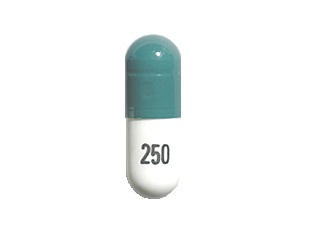
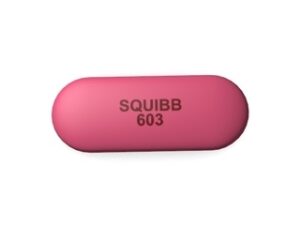
| Common forms | Tablets, capsules, and oral liquids (varies by brand) |
| How it’s taken | Usually by mouth |
| Typical dosing frequency | Often 3–4 times daily depending on the infection and patient factors |
| Where it’s used | Selected bacterial infections affecting skin and soft tissue, respiratory tract, urinary tract, and others (as directed) |
How cephalexin works (mechanism of action)
Cephalexin works by interfering with bacterial cell wall production. It binds to penicillin-binding proteins (PBPs), which are involved in building and maintaining the bacterial cell wall. Without a properly formed cell wall, bacteria cannot grow and multiply effectively, leading to bacterial death.
Cephalexin is effective against susceptible bacteria. It does not treat infections caused by viruses (such as the flu or common cold), and it cannot “prevent” future infections. Using antibiotics appropriately helps reduce treatment failure and antibiotic resistance.
Pharmacokinetics: what happens in your body
Pharmacokinetics describes how the medicine is absorbed, distributed, metabolised, and eliminated. While exact values may vary by age, formulation, and individual factors, the following describes general behaviour:
- Absorption: Cephalexin is generally absorbed after oral administration. Peak blood levels typically occur within a few hours. Taking it regularly helps maintain appropriate drug levels.
- Distribution: It distributes to body tissues and fluids where infections may occur. Clinicians consider site of infection and expected drug penetration when choosing an antibiotic.
- Metabolism: Cephalexin is not extensively metabolised. Most of the dose is removed from the body unchanged.
- Elimination: The main route of elimination is through the kidneys (renal excretion). If you have reduced kidney function, dose adjustments may be needed.
- Half-life: Cephalexin has an elimination half-life on the order of a few hours, which is one reason it is often taken multiple times per day.
Typical uses (indications) in simple terms
Cephalexin may be used for certain susceptible bacterial infections including:
- Skin and soft tissue infections such as cellulitis, infected wounds, and some forms of infected skin lesions
- Respiratory tract infections when bacterial infection is suspected or confirmed (e.g., some cases of tonsillitis or sinus/ear infections)
- Urinary tract infections (UTIs) caused by susceptible organisms
- Bone or joint infections in selected cases (usually guided by specialist advice)
- Other infections where a clinician judges cephalexin to be appropriate based on likely bacteria, local resistance patterns, and patient factors
The exact choice of antibiotic—and whether cephalexin is appropriate—depends on the infection type, severity, your medical history (including allergies), kidney function, and sometimes culture or sensitivity testing.
When to start and how to time doses
Timing helps ensure effective antibiotic levels are maintained. If you’re taking cephalexin multiple times per day, try to space doses evenly across your waking hours.
- General approach: If instructed “three times daily,” aim for roughly every 8 hours. If instructed “four times daily,” aim for roughly every 6 hours.
- Consistency: Take doses at similar times each day. Missed doses should be handled according to your medicine label instructions or pharmacist advice.
- Completion: Continue the full course unless your clinician advises otherwise. Stopping early can allow infection to return or worsen.
Seek urgent medical help if your symptoms rapidly worsen, you develop trouble breathing, facial swelling, or severe rash.
How to take cephalexin: food, meals, and formulation tips
Cephalexin can generally be taken with or without food, and food may help reduce stomach upset. However, always check the instructions on your specific product label.
- With food: Many people find cephalexin easier on the stomach when taken with meals or snacks.
- Without food: Some formulations can be taken on an empty stomach if tolerated, but nausea may be more likely.
- Oral liquid: Shake the bottle (if required by your brand), measure carefully with an oral syringe or marked measure, and avoid guessing household teaspoons/spoons.
- Tablets/capsules: Swallow whole with water unless your pharmacist instructs otherwise.
Food interactions
There are no major dietary restrictions for most people. If you experience nausea, taking cephalexin with food may help. Drink adequate fluids unless you’ve been advised to restrict fluids due to a medical condition.
Alcohol and medicine interactions
Many patients ask about alcohol while taking antibiotics. Cephalexin is not well known for a classic “antabuse-like” interaction with alcohol, but this does not mean alcohol is risk-free.
- General advice: It’s best to avoid or limit alcohol while you’re unwell and taking antibiotics. Alcohol can worsen dehydration, impair sleep, and may make side effects like dizziness or nausea more noticeable.
- Medication interactions: Alcohol can interact with other medicines you may be taking (for example, pain medicines, antihistamines, or mood medications). If you take multiple medicines, ask your pharmacist to check for interactions.
- Important symptoms: Stop alcohol and get advice urgently if you have severe vomiting, significant rash, swelling, or breathing difficulty.
Safety profile: what to watch for
Like all medicines, cephalexin can cause side effects. Most are mild and temporary, but some reactions can be serious.
Common side effects
- Stomach upset, nausea
- Diarrhoea
- Headache
- Vaginal irritation or mild yeast symptoms (in some people)
Less common but important risks
- Allergic reactions: rash, itching, hives, swelling, or wheezing can indicate an allergy. People with prior allergy to cephalosporins or penicillins may be at higher risk.
- Severe skin reactions: rare but serious conditions can cause widespread rash, blistering, or skin peeling.
- Clostridioides difficile–associated diarrhoea: antibiotics can sometimes trigger severe diarrhoea due to disruption of normal gut bacteria. Watch for persistent watery diarrhoea, abdominal cramps, fever, or blood/mucus in stool.
- Kidney issues: rare. If you have kidney disease, dosing may require adjustment and extra monitoring.
When to seek urgent help
Contact emergency services or seek urgent medical care if you experience:
- Swelling of the face, lips, tongue, or throat
- Difficulty breathing or wheezing
- Severe or blistering skin rash
- Severe or persistent diarrhoea (especially with fever or blood)
Dosing: typical adult and paediatric ranges (general guidance)
Dosing depends on the infection type, severity, the suspected bacteria, age, body weight (for children), kidney function, and local clinical guidance. Your healthcare professional will determine the appropriate dose and schedule for you.
Important: This section provides general information to help you understand cephalexin dosing patterns. Always use the dose on your medicine label.
Adults (general patterns)
- Many adult regimens are taken three or four times daily, aiming for an effective total daily dose.
- For skin/soft tissue or certain respiratory infections, common regimens may range across moderate-to-higher daily totals depending on severity.
- For UTIs, dosing may differ by guideline, organism, and kidney function.
Children
- Dosing in children is typically calculated using body weight.
- Oral liquid formulations are often used to achieve accurate dosing.
- The schedule (for example, three or four times daily) depends on the infection and prescriber guidance.
Kidney function adjustments
Because cephalexin is cleared through the kidneys, people with reduced renal function may need a reduced dose or less frequent dosing. If you have kidney disease, discuss this with your pharmacist or prescriber.
If you miss a dose
- Take the missed dose as soon as you remember.
- If it is near the time for your next dose, skip the missed dose and take the next one at the usual time.
- Do not take double doses unless your healthcare professional tells you to.
Practical use tips for best results
- Start on time: begin treatment when advised so antibiotics can work during the early phase of infection.
- Complete the course: finish the prescribed number of days even if you feel better.
- Hydrate: drink fluids unless restricted. This can help with fever, throat irritation, or urinary symptoms.
- Manage side effects early: if you experience nausea or diarrhoea, ask a pharmacist what supportive care is appropriate.
- Track symptoms: note fever, pain, swelling, redness, urinary symptoms, or breathing difficulty and mention changes to your clinician if not improving.
- Don’t share: antibiotics are specific to you and your infection. Never share cephalexin with others.
- Disposal: return unused medicines to a pharmacy for safe disposal where take-back programs are available.
What to expect: improvement timeline
Many bacterial infections start improving within 48–72 hours after starting an appropriate antibiotic. If you’re not improving, or symptoms worsen, contact your healthcare professional promptly.
- If the infection isn’t responding, it could be due to resistance, an incorrect diagnosis, inadequate dosing, or an alternative cause that antibiotics won’t treat.
- Do not increase doses yourself.
Alternative options (discuss with your pharmacist or doctor)
The “best” alternative depends on the infection site, severity, likely bacteria, and your allergy history. In Australia, clinicians may choose from other antibiotics or treatment strategies. Some possibilities include:
- Other cephalosporins (if appropriate and not contraindicated)
- Penicillin-family antibiotics (depending on your allergy history and local guidance)
- Macrolides (for certain respiratory infections and in specific allergy situations)
- Other antibiotic classes for UTIs, skin infections, or resistant organisms, chosen according to suspected bacteria and culture results where available
- Non-antibiotic supportive care when bacterial infection is unlikely (for example, symptom relief and monitoring)
If you’re allergic to cephalosporins, have a history of serious drug reactions, or have previously had complications with antibiotics, it’s especially important to discuss alternatives with your healthcare professional.
Market and legal context for Australia
In Australia, cephalexin is regulated medicine and is available through licensed pharmacies. Medicine access and supply are governed by Australian legislation and pharmacy practice standards. Your pharmacist may ask questions to ensure the medicine is suitable and safe for you.
Australia also follows antimicrobial stewardship principles—encouraging appropriate antibiotic use to reduce resistance and protect community health. Clinicians may use local prescribing guidelines and product information to help decide when an antibiotic is needed and which one is most appropriate.
Recent guidance (high-level overview)
Recent antimicrobial guidance internationally and in Australia has emphasised:
- Using antibiotics only when bacterial infection is likely or confirmed
- Choosing the narrowest effective agent when possible
- Reviewing treatment if symptoms don’t improve
- Reducing unnecessary broad-spectrum use
- Encouraging complete courses while avoiding longer-than-needed durations
Local clinical practice may continue to evolve as resistance patterns and evidence update. If you’re uncertain about whether antibiotics are necessary, ask your pharmacist or prescriber for tailored advice.
Delivery and availability (online pharmacy)
Availability and delivery options vary by brand and stock levels. When ordering online, you may be offered delivery to your address depending on local restrictions and the pharmacy’s delivery network.
- Product range: Different brands and strengths may be available.
- Packaging: Medicines are typically supplied in manufacturer packaging with clear labelling.
- Dispatch times: Dispatch may depend on stock and ordering cut-off times.
- Shipping: Delivery is subject to courier schedules and local area coverage.
If you need urgent treatment, contact the pharmacy directly to confirm dispatch timing.
Drug interactions: medicines that may affect cephalexin
Cephalexin has a range of potential interactions, and the exact interaction profile can depend on your other medications. Always provide a complete list of your current medicines and supplements to a pharmacist.
Commonly considered interactions
- Probenecid: can affect cephalexin elimination by the kidneys.
- Warfarin (and other vitamin K antagonists): antibiotics may affect bleeding risk indirectly by changing gut bacteria and vitamin production. If you take warfarin, your anticoagulation monitoring may require extra attention.
- Oral contraceptives: most antibiotics (including cephalexin) are not consistently shown to reduce contraceptive effectiveness, but if you experience vomiting or severe diarrhoea, contraceptive absorption may be affected. Seek advice.
If you’re unsure whether a medicine you take could interact with cephalexin, ask your pharmacist.
FAQ
1) Is cephalexin the same as penicillin?
Cephalexin is a cephalosporin antibiotic, which is closely related to the penicillin family in terms of chemical structure and how it works. People with a penicillin allergy should discuss risk carefully with a pharmacist or doctor.
2) How quickly should I feel better?
Many infections begin improving within 48–72 hours. If you’re not improving, contact your healthcare professional. Infections that worsen quickly or cause breathing difficulty require urgent medical attention.
3) Can I take cephalexin with food?
Usually, yes. Taking cephalexin with food can help reduce stomach upset. Always follow your product label and pharmacist instructions.
4) Can I drink alcohol while taking cephalexin?
It’s generally best to avoid or limit alcohol while you’re unwell and on antibiotics. Cephalexin isn’t known for the same immediate reaction as some other medications, but alcohol can worsen dehydration and side effects.
5) What if I get diarrhoea?
Mild diarrhoea can occur with antibiotics. However, seek medical advice if diarrhoea is severe, persistent, or includes fever or blood/mucus. This can be a sign of a more serious antibiotic-associated condition.
6) What if I miss a dose?
Take it when you remember unless it’s close to the next dose. Don’t double up. Check the label instructions or ask a pharmacist for the safest option.
7) Can cephalexin treat viral infections like colds or flu?
No. Cephalexin treats bacterial infections, not viral illnesses. Using antibiotics for viral infections won’t help and can contribute to resistance.
8) Are there any precautions if I’m pregnant or breastfeeding?
If you are pregnant, trying to conceive, or breastfeeding, speak with a healthcare professional. Cephalexin may be considered in some situations, but the decision depends on your condition and clinical assessment.
9) Can children take cephalexin?
Yes, cephalexin is used in children for specific infections, with dosing adjusted by weight and age. Use the correct formulation and measure carefully for liquid doses.
10) What if I have kidney disease?
Because cephalexin is cleared by the kidneys, dose adjustment may be needed. Tell your pharmacist or prescriber about your kidney function before starting.
Summary
Cephalexin is an oral antibiotic used to treat certain bacterial infections. It works by disrupting bacterial cell wall formation. It is absorbed after dosing, eliminated mainly through the kidneys, and is typically taken multiple times per day depending on the regimen.
For best outcomes, take doses at the recommended times, use food if it helps with nausea, avoid unnecessary alcohol, and complete the full course. Contact a healthcare professional if you develop signs of allergy, severe diarrhoea, or if symptoms don’t improve within a few days.