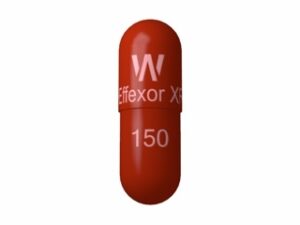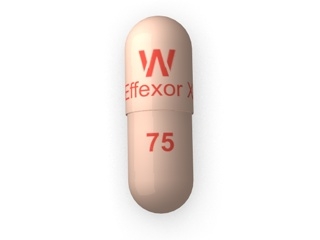

Venlor (Venlafaxine) – Patient-Friendly Guide (Australia)
Venlor is a brand of the medicine venlafaxine, an antidepressant used for several mental health conditions. This guide explains how Venlor works, how it is used, what to expect, key safety information, and practical tips for day-to-day use in Australia.
Important: Always follow your healthcare professional’s advice. If you are unsure about any aspect of your treatment, speak with a pharmacist or doctor.
1. Basic product information
- Brand name: Venlor
- Generic name: Venlafaxine
- Medicine type: Antidepressant (SNRI)
- Common formulations: Venlafaxine immediate-release or extended-release (often described as XR/retard in some products)
- Where it’s used in Australia: For depression and related anxiety conditions (based on clinical assessment)
Availability and exact strengths can vary by supplier. Your pharmacist can confirm the specific product form and strength that you are considering.
2. How Venlor works (mechanism of action)
Venlafaxine belongs to a group of antidepressants called serotonin–norepinephrine reuptake inhibitors (SNRIs). It helps improve mood and anxiety symptoms by affecting brain chemical signalling:
- Serotonin (5-HT): Venlafaxine helps increase serotonin activity by reducing its reuptake.
- Norepinephrine (noradrenaline): It also increases norepinephrine activity by reducing its reuptake.
- Downstream effects: Over time, these changes can help normalise mood, stress response, and anxiety circuits.
Venlor does not typically work instantly. Many people notice changes gradually as the nervous system adapts.
3. Pharmacokinetics (how the body handles it)
Pharmacokinetics describes what the body does to the medicine—absorption, distribution, metabolism, and elimination. While individual results vary, the general pattern is:
- Absorption: Venlafaxine is absorbed after oral dosing.
- Metabolism: The liver metabolises venlafaxine into an active metabolite called O-desmethylvenlafaxine (ODV).
- Peak levels: Immediate-release and extended-release formulations differ in how quickly drug levels rise.
- Half-life: Venlafaxine and ODV have elimination half-lives that support daily dosing regimens.
- Excretion: Metabolites are eliminated primarily through the kidneys.
People with liver disease or kidney impairment may need dose adjustments and extra monitoring. If you have kidney or liver issues, discuss this early with your clinician.
4. Typical uses (indications)
Venlor is commonly prescribed for the following conditions, based on clinical assessment and local prescribing practices:
- Major depressive disorder
- Generalised anxiety-related conditions (depending on formulation and clinical context)
- Other anxiety disorders as determined by a healthcare professional
Your treatment plan should be tailored to your symptoms, medical history, and previous responses to antidepressants.
5. Timing and how to take Venlor
When to take it
- Once daily dosing: Many people take extended-release formulations once daily.
- Twice or more daily dosing: Immediate-release forms may require multiple daily doses.
Best time of day
Choose the time of day that suits you:
- If it makes you feel energised or causes insomnia, consider taking it earlier in the day.
- If it makes you feel drowsy, taking it in the evening may help (but only if approved by your clinician or consistent with the product directions).
Consistency matters
Aim to take Venlor at the same time each day. If you miss a dose, follow the advice from your pharmacist or the product information for your specific formulation.
6. Food interactions
Venlafaxine can generally be taken with or without food. Some people find it easier on the stomach when taken with a meal. If you experience nausea, consider taking it with food or at a time that suits your routine.
Practical tip: If your dose is taken with food and you later change your routine, nausea may return temporarily. Consistency can help your body adapt.
7. Alcohol and medicine interactions
Alcohol
It’s strongly recommended to limit or avoid alcohol while taking Venlor, because:
- Alcohol can worsen mood symptoms and anxiety.
- Alcohol may increase sleepiness or impair judgement.
- When combined with antidepressants, side effects such as dizziness can feel more intense.
If you choose to drink alcohol, do so cautiously and discuss your individual situation with your pharmacist or doctor.
Common medicine interactions
Venlafaxine can interact with other medicines that affect serotonin, liver metabolism, bleeding risk, or heart rhythm. Tell your pharmacist about all medicines and supplements you use, including over-the-counter items.
- Other serotonergic medicines: e.g., some migraine medicines (triptans), certain pain medicines (e.g., tramadol), and some herbal supplements (e.g., St John’s wort). Combination may increase risk of serotonin syndrome.
- MAO inhibitors: generally avoided due to serious interaction risk.
- Medications affecting CYP enzymes: because venlafaxine is metabolised in the liver, some medicines may alter its level.
- Blood thinning medicines / antiplatelets: combining may increase bleeding risk.
- Other medicines that affect blood pressure or heart rate: since venlafaxine can affect cardiovascular parameters in some people.
- Linezolid or methylene blue: medicines used for specific infections—these require careful assessment due to serotonergic effects.
This list isn’t exhaustive. For the safest choice, provide your pharmacist with a complete medication list.
8. Dosing (how dosing is commonly approached)
Venlor dosing varies according to the condition being treated, your response, and tolerability. Clinicians often start at a lower dose and gradually adjust.
General principles
- Start low, go slow: This can reduce side effects like nausea, dizziness, or sleep disturbance.
- Titration: Dose may be increased after a period if symptoms are not adequately improving.
- Maintenance: Once symptoms improve, the dose may be continued to maintain stability.
When dose changes may be needed
- If side effects occur
- If the medicine is not helping enough
- With medical changes such as kidney or liver impairment
- With interacting medicines
Do not change your dose or stop suddenly. Venlafaxine can cause discontinuation symptoms if stopped abruptly, so withdrawal should be discussed with your clinician.
9. Safety profile and side effects
Like all medicines, Venlor can cause side effects. Many are mild and improve after the first days to weeks, but some require urgent assessment.
Common side effects
- Nausea
- Dry mouth
- Headache
- Dizziness
- Changes in sleep (insomnia or sleepiness)
- Increased sweating
- Tremor
- Constipation
- Sexual side effects (e.g., reduced libido, difficulty reaching orgasm)
Blood pressure and heart rate
Venlafaxine may increase blood pressure in some people, especially at higher doses. Your clinician may monitor blood pressure periodically.
Serious but uncommon risks
- Serotonin syndrome: symptoms may include agitation, confusion, fever, sweating, muscle stiffness, tremor, and diarrhoea.
- Mania/hypomania: increased energy, reduced need for sleep, elevated mood, or risky behaviour (particularly in people with bipolar disorder).
- Increased bleeding risk: especially if combined with other medicines that affect clotting.
- Hyponatraemia: low sodium, more likely in older adults or those on diuretics.
- Withdrawal/discontinuation symptoms: dizziness, “electric shock” sensations, irritability, nausea, anxiety, and sleep problems.
Seek urgent help if you experience
- Signs of serotonin syndrome
- Severe allergic reactions (swelling of face/lips, breathing difficulty)
- Chest pain, fainting, or severe palpitations
- Thoughts of self-harm or rapid worsening of mental health symptoms
In Australia, if you are in immediate danger, call 000. If you need mental health crisis support, consider contacting Lifeline 13 11 14.
10. Practical use tips
- Give it time: noticeable improvements often take several weeks. Early side effects may appear before mood changes.
- Track symptoms: consider a simple daily note of mood, sleep, and anxiety. This helps your clinician adjust treatment appropriately.
- Stay hydrated: dry mouth and dizziness can improve with water and good nutrition.
- Manage nausea: taking it with food and smaller meals can help.
- Be careful when standing: if dizziness occurs, rise slowly from sitting or lying positions.
- Don’t stop suddenly: talk to your clinician about tapering if the medicine is no longer needed.
- Use a medication reminder: phone alarms, pill boxes, or pharmacy packaging can reduce missed doses.
11. Alternative options
If Venlor isn’t suitable or doesn’t provide enough benefit, there are other treatment options. Alternatives may include:
Other antidepressants (examples)
- SSRIs (such as sertraline, escitalopram, fluoxetine) for depression and anxiety disorders
- Other SNRIs (such as duloxetine) for depression and certain pain and anxiety indications
- Mirtazapine (an alternative antidepressant, sometimes helpful when sleep is disturbed or appetite is low)
- Tricyclic antidepressants (for selected cases, usually with careful monitoring)
Non-medicine approaches
- Psychological therapies (e.g., CBT for anxiety and depression)
- Lifestyle supports: regular sleep schedule, exercise, stress management, and social support
Choice depends on your diagnosis, symptoms, side-effect preferences, other health conditions, and past treatment response.
12. Market and legal context for Australia
In Australia, medicines like venlafaxine are regulated through the Australian regulatory framework. Antidepressants are supplied under pharmacy-based controls consistent with health and safety requirements.
Product availability can depend on:
- Registered indications and prescribing practices
- Approved product formulations and strengths
- Pharmacy supply and inventory
- Patient-specific factors such as interactions and prior medical history
Online pharmacies typically provide additional checks to ensure safe supply, including identity and medication history verification where required.
13. Recent guidance and monitoring considerations
Clinical care for depression and anxiety evolves over time. Current general themes in practice include:
- Careful follow-up early in treatment: to review side effects, sleep changes, and emerging benefit.
- Monitoring for suicidality risk in young people: particularly at treatment start and dose changes.
- Managing withdrawal risk: avoiding abrupt cessation and tapering slowly when stopping.
- Blood pressure awareness: considering monitoring in people who may be at risk of hypertension.
- Interaction screening: checking serotonergic combinations and bleeding risk.
Your clinician may also review contributing factors such as sleep disorders, substance use, stressors, and other medical conditions.
14. Delivery and availability
Venlor availability may vary depending on:
- Stock status at the time of order
- Requested strength and formulation (immediate-release vs extended-release)
- Dispensing and delivery location within Australia
When ordering online, your selected pharmacy typically provides:
- Estimated delivery timeframes
- Order status updates
- Secure packaging and handling
If a specific product strength is temporarily unavailable, you may be offered an alternative form only if clinically appropriate and consistent with pharmacy policy.
15. Venlor overview table
| Topic | What to know (summary) |
|---|---|
| Medicine | Venlor (venlafaxine) – SNRI antidepressant |
| How it works | Increases serotonin and norepinephrine activity by inhibiting reuptake |
| Common uses | Depression and anxiety-related conditions (as assessed by a clinician) |
| Onset | Gradual improvement; side effects may appear before mood benefit |
| Food | Generally can be taken with or without food; food may reduce nausea |
| Alcohol | Limit/avoid due to mood effects and increased side-effect risk |
| Key interactions | Other serotonergic medicines, MAO inhibitors, some bleeding-risk medicines, and CYP-related interactions |
| Safety monitoring | Blood pressure may need monitoring; watch for unusual agitation or serotonin-syndrome symptoms |
| Stopping | Avoid abrupt cessation; tapering reduces discontinuation symptoms |
16. FAQ – Frequently asked questions
How long does it take for Venlor to work?
Many people start to feel some improvement within 1–2 weeks, but it commonly takes several weeks to notice full benefit. Side effects may improve sooner than mood changes. If symptoms don’t improve, your clinician can review dose and treatment plan.
What should I do if I miss a dose?
Advice depends on your formulation (immediate-release vs extended-release) and your dosing schedule. Check the directions provided by your pharmacy or the product information. If you’re unsure, contact your pharmacist for guidance.
Can I take Venlor with food?
Yes. Venlafaxine can usually be taken with or without food. Taking it with a meal may help reduce nausea for some people.
Is it safe to drink alcohol while taking Venlor?
It’s best to avoid or limit alcohol. Alcohol can worsen mood and anxiety symptoms and may increase dizziness or drowsiness. Discuss your alcohol use with your clinician or pharmacist for personalised advice.
What are discontinuation symptoms and how can I avoid them?
Stopping venlafaxine suddenly can lead to discontinuation symptoms such as dizziness, irritability, nausea, anxiety, and “electric shock” sensations. Tapering gradually under medical guidance helps reduce the risk.
Does Venlor cause weight changes?
Some people notice changes in appetite or weight. Others experience minimal change. If you notice rapid or concerning changes, discuss them with your clinician.
Will Venlor affect driving or operating machinery?
Some people experience dizziness, drowsiness, or changes in alertness, especially early in treatment or after dose changes. Use caution until you know how Venlor affects you.
What should I tell my pharmacist before starting Venlor?
Tell them about:
- All current medicines (including over-the-counter medicines)
- Herbal supplements (especially St John’s wort)
- Any history of bipolar disorder or mania
- Kidney or liver problems
- Any history of bleeding issues or use of blood thinners
- Any previous side effects with antidepressants
Can Venlor be used long-term?
Some people use antidepressants for an extended period to help prevent relapse. Long-term decisions should be made with your clinician based on your symptoms, response, and personal preferences.
Disclaimer: This information is intended for general education and does not replace advice from a healthcare professional. If you have concerns about your symptoms, side effects, or interactions, speak with a doctor or pharmacist.