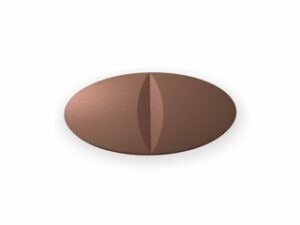

Nortriptyline Hydrochloride (Nortriptyline) — Patient Guide (Australia)
Nortriptyline is a medicine from the tricyclic antidepressant (TCA) family. In Australia, it is used for a range of conditions—most commonly depression and certain types of nerve-related pain and headaches. This guide explains how it works, how it’s typically taken, how it interacts with food and other medicines, and what to expect for safety and practical use.
| Product name | Nortriptyline Hydrochloride |
|---|---|
| Also known as | Nortriptyline |
| Medicine class | Tricyclic antidepressant (TCA) |
| Common forms | Tablets/capsules (brand and strength may vary) |
| Typical dosing schedule | Often once daily, usually in the evening or at bedtime (as directed) |
| Typical time to benefit | Depression: often 2–4 weeks; pain/headache: may take several weeks |
Basic product information
Nortriptyline hydrochloride is a prescription medicine used to treat:
- Depression (particularly when symptoms include low mood, poor concentration, disturbed sleep, or persistent worry)
- Chronic nerve-related pain such as neuropathic pain
- Prevention of certain headache types (commonly for migraine prevention, depending on clinical assessment)
It is commonly taken as a single daily dose. The exact dose and timing depend on the condition being treated, your age, other health conditions, and how you respond to treatment.
How nortriptyline works (mechanism of action)
Nortriptyline is believed to work mainly by affecting neurotransmitters in the brain. Key actions include:
- Inhibiting reuptake of noradrenaline (norepinephrine): helps increase noradrenaline signalling.
- Modestly affecting serotonin signalling: it has activity on serotonin reuptake, though noradrenaline effects are often more prominent.
- Anticholinergic and antihistamine effects: can contribute to side effects such as dry mouth, constipation, and drowsiness.
- Additional actions on receptors that may help reduce pain and help stabilise mood over time.
For many people, symptom improvement occurs gradually. For depression, early changes (such as sleep or appetite) may begin before mood fully improves.
Pharmacokinetics: how the body handles nortriptyline
Understanding pharmacokinetics can help explain why dosing is tailored and why missed doses can matter.
- Absorption: Nortriptyline is absorbed from the gastrointestinal tract after oral dosing.
- Distribution: It distributes widely into body tissues and can cross into the brain.
- Metabolism: Mainly processed in the liver via enzymes including CYP2D6.
- Elimination: Metabolites are excreted primarily through the kidneys.
- Half-life: Nortriptyline has a relatively long half-life, which supports once-daily dosing for many patients and can mean effects persist after dose changes.
Why this matters: Because nortriptyline is metabolised and cleared over time, dose adjustments may take a bit of time to show full effect, and stopping suddenly may lead to withdrawal-like symptoms in some people.
Typical use in Australia: what it’s used for
1) Depression
Nortriptyline may be used when a person experiences persistent low mood and related symptoms. It can be particularly helpful if sleep disturbance, low energy, or chronic anxiety features are present.
2) Neuropathic (nerve-related) pain
Neuropathic pain can include burning, tingling, shooting pain, or pain from nerve injury or conditions such as diabetic neuropathy. Nortriptyline is sometimes chosen because it can help reduce pain signalling.
3) Migraine prevention (in selected patients)
Some people use nortriptyline as a preventative option for migraine, especially when headaches are frequent or when other preventives aren’t suitable. It’s usually taken daily rather than only during an attack.
When to take it (timing and routine)
Most people are advised to take nortriptyline once daily, often in the evening or at bedtime due to possible drowsiness.
- Start low, go slow: Doses are commonly increased gradually to reduce side effects.
- Consistency helps: Try to take it at the same time each day.
- If you’re taking it for pain or headaches: regular daily use is important; benefits may take weeks to build.
Missed dose: If you miss a dose, take it when you remember—unless it is close to the next dose. Do not double up to make up for the missed dose. If you’re unsure, check with your pharmacist.
Food interactions and eating while on nortriptyline
Nortriptyline can generally be taken with or without food. However, food may affect how quickly you feel effects and may help reduce stomach discomfort for some people.
- With food: may help if you experience nausea or an upset stomach.
- Hydration and fibre: may be useful because TCAs can cause constipation for some users.
Practical tip: Choose a routine you can maintain—such as taking it after dinner or at bedtime—to support adherence and steady daily levels.
Alcohol interactions
Alcohol and nortriptyline are a risky combination. Both can affect the brain and may increase side effects such as:
- drowsiness and impaired alertness
- dizziness and fall risk
- slower reaction time
- worsened mood or sleep quality
If you drink alcohol, discuss it with your healthcare professional. In many cases, avoiding alcohol or keeping it minimal is recommended, especially when starting treatment or after dose changes.
Interactions with medicines (important safety section)
Nortriptyline can interact with other medicines. Some interactions may increase nortriptyline levels, increase side effects, or affect heart rhythm.
Medicines that may raise nortriptyline levels
- Some antidepressants (including other TCAs and SSRIs/SNRIs, depending on the specific agent)
- Strong inhibitors of liver enzymes such as CYP2D6 (examples include some antifungals and antiviral medicines)
- Some medicines for migraine (certain triptans or other preventives may have interaction potential; clinician guidance is important)
Medicines that can also affect serotonin and increase risk of “serotonin syndrome”
- Other medicines that increase serotonin (for example, several antidepressants and some pain medicines)
Seek urgent help if you develop agitation, confusion, fast heart rate, fever, heavy sweating, tremor, or diarrhoea—especially soon after a medicine change.
Medicines that can affect heart rhythm (QT prolongation / arrhythmia risk)
Nortriptyline can sometimes affect cardiac electrical activity. Caution is required with other medicines that also influence heart rhythm.
Other relevant categories
- Anticholinergic medicines (may add to dry mouth, constipation, urinary retention, blurred vision)
- Sedatives and sleep medicines (may increase drowsiness)
- Stimulants or thyroid medicines (may affect heart rate and jitteriness)
- Medicines for Parkinson’s disease or certain antihistamines (may add anticholinergic effects)
Always tell your pharmacist and healthcare professional about:
- All medicines you take (including non-prescription products)
- Herbal supplements (for example, St John’s wort—interaction potential varies)
- Any recent dose changes
Indications and who may be suitable
Nortriptyline may be considered for:
- Adults with depression
- Adults with neuropathic pain conditions
- Selected patients for migraine prevention
Suitability depends on factors such as:
- medical history, including heart conditions
- history of fainting or abnormal heart rhythms
- risk factors for electrolyte imbalance (e.g., low potassium or magnesium)
- current medicines (to avoid harmful interactions)
- age (older adults may be more sensitive to anticholinergic and sedation effects)
Dosing: general principles (Australia)
Only your healthcare professional can determine the correct dose for you. However, the following gives a useful overview of typical dosing strategies.
General dosing approach
- Start low to minimise side effects.
- Increase gradually based on response and tolerability.
- Maintain the lowest effective dose.
Timing of dose adjustments
Dose changes are often made every one to two weeks (or longer), depending on treatment response and side effects. Because nortriptyline has a long half-life, it can take time for levels to stabilise after a change.
Missed doses and dose doubling
Do not double up doses to compensate for missed tablets. If you frequently miss doses, ask for advice on how to set a routine.
Special populations
- Older adults: may start at lower doses due to higher sensitivity to dizziness, constipation, and confusion.
- Liver or kidney impairment: dosing may require adjustment.
- People with heart disease: may need extra monitoring (including ECG in some cases).
Safety profile: what to know before and during treatment
Common side effects
Many side effects are most noticeable at the start and may lessen as your body adjusts. Common effects include:
- Dry mouth
- Constipation
- Drowsiness or fatigue
- Dizziness (especially when standing up quickly)
- Blurred vision
- Increased sweating
- Weight change (some people gain weight)
- Tremor or mild restlessness
Less common but important risks
- Heart rhythm changes (especially at higher doses or when combined with interacting medicines)
- Urinary retention, particularly in people with prostate enlargement
- Confusion (more common in older adults)
- Severe allergic reactions (rare)
When to seek urgent medical help
Get urgent medical attention if you experience:
- fainting or severe dizziness
- fast, irregular heartbeat or chest pain
- severe agitation, confusion, fever, or muscle stiffness
- signs of severe allergic reaction (swelling of face/lips, difficulty breathing)
Practical use tips for better tolerance
Nortriptyline can become easier to manage with practical routines.
- Manage dry mouth: sip water regularly; sugar-free gum or lozenges may help.
- Prevent constipation: increase fluid intake and dietary fibre; consider discussing stool softening measures with your pharmacist if needed.
- Be cautious when starting: avoid driving or operating machinery until you know how it affects you.
- Stand up slowly: dizziness can occur, particularly early in treatment.
- Keep a symptom diary: note sleep, mood, pain scores, and side effects. This can help guide dose decisions.
- Don’t stop suddenly: if you need to stop, discuss a gradual reduction plan with your clinician to minimise discomfort and relapse risk.
If you miss a dose: resume your usual schedule rather than attempting to catch up.
Alternative options (depending on your condition)
If nortriptyline isn’t suitable due to side effects, interactions, or lack of benefit, there are alternatives. Your clinician may consider options such as:
For depression
- Other antidepressants such as SSRIs/SNRIs
- Other tricyclic antidepressants in some cases
- Psychological therapies and lifestyle strategies (often combined with medication)
For neuropathic pain
- Medicines such as gabapentin or pregabalin
- Other antidepressants used for pain modulation (some SSRIs/SNRIs may be considered depending on the case)
- Topical options for certain pain conditions (depending on diagnosis)
For migraine prevention
- Beta-blockers
- Other preventive medicines such as certain anticonvulsants
- Newer migraine-specific preventives may be considered for eligible patients
The best choice depends on your diagnosis, medical history, and current medicines.
Market and legal context for Australia
In Australia, nortriptyline is regulated under the national medicines framework. It is made available through pharmacies and dispensing channels in accordance with local requirements. Medicines like nortriptyline are subject to controls to support safe use, appropriate supply, and patient monitoring.
What this means for you: You can expect pharmacy staff to check:
- your medicine list for interactions
- that the intended dose and instructions are understood
- side effect history and any prior treatment responses
Your pharmacist can also help with advice about routine use, managing side effects (like dry mouth or constipation), and what to do if you miss doses.
Recent guidance and monitoring considerations
While individual clinical plans vary, current best practice in Australia generally emphasises:
- Careful review at treatment start: side effects and suitability are reassessed after dose changes.
- Medication interaction checks: especially for liver enzyme inhibitors and medicines affecting heart rhythm.
- Monitoring in higher-risk patients: for example, older adults, people with heart disease, and those on interacting medicines.
- Gradual changes: dose titration to balance benefit with tolerability.
If you have questions about monitoring (such as ECG in specific circumstances or blood tests if advised), ask your pharmacist or healthcare professional.
Delivery, availability, and how to order online (Australia)
Availability of nortriptyline may vary depending on the brand, strength, and local supply. When ordering online through a pharmacy, you can typically expect:
- Product selection: choose the correct strength and formulation as listed.
- Verification steps: pharmacy systems may require confirmation of details to ensure safe supply.
- Packaging: medicines are supplied in secure, labelled containers.
- Delivery timeframes: commonly depend on your location and stock availability.
Tip: If you need your medication quickly, check the estimated delivery options at checkout and confirm stock status if shown.
FAQ about nortriptyline (Nortriptyline Hydrochloride)
How long does it take to work?
For depression, some people notice sleep or appetite changes earlier, but mood improvements often take 2–4 weeks (or longer). For nerve pain and migraine prevention, benefits may build over several weeks. If you feel no benefit after an adequate trial, discuss options with your clinician rather than stopping on your own.
Why do people take it in the evening or at bedtime?
Nortriptyline can cause drowsiness or fatigue. Taking it at night may reduce daytime disruption and make side effects easier to tolerate.
Can I take nortriptyline with food?
Yes. Many people take it with or without food. If you get nausea or stomach upset, taking it after food may help.
Can I drink alcohol while taking nortriptyline?
It’s best to avoid or minimise alcohol. Alcohol can increase drowsiness, dizziness, and impairment of reaction time and may worsen mood or sleep. Discuss your situation with a pharmacist or clinician if you’re unsure.
What side effects should I watch for in the first days?
Common early effects include dry mouth, constipation, drowsiness, and dizziness. If you experience fainting, severe palpitations, or severe confusion, seek urgent medical advice.
What if I forget a dose?
Take it when you remember unless it’s close to your next dose. Don’t double up. If you’re unsure, ask your pharmacist.
Is it safe to stop suddenly?
Stopping suddenly may lead to uncomfortable symptoms and could worsen the condition being treated. If you need to discontinue, ask your clinician about a gradual reduction plan.
Are there medicines I should not combine with nortriptyline?
Some combinations can be unsafe due to effects on sedation, serotonin, or heart rhythm, and due to changes in nortriptyline levels. Always review your full medicine list with your pharmacist, including non-prescription products and herbal supplements.
Does nortriptyline cause weight gain?
It can. Some people experience weight gain over time; others don’t. If weight changes occur, discuss strategies for diet, activity, and whether dose adjustments are appropriate.
Can I drive while on nortriptyline?
It may affect alertness, especially when starting or after dose changes. Avoid driving or operating machinery until you know how it affects you.
How do I manage constipation or dry mouth?
For constipation: increase fluids and fibre, and consider discussing suitable bowel-support options with your pharmacist. For dry mouth: frequent sips of water and sugar-free gum/lozenges can help. If symptoms are severe, seek advice.
Summary
Nortriptyline (Nortriptyline Hydrochloride) is a tricyclic antidepressant used in Australia for depression, neuropathic pain, and selected migraine prevention cases. It works gradually by influencing neurotransmitter signalling and can also affect receptors involved in pain perception. Because it has a long duration of action and notable side-effect potential, safe use includes starting at a suitable dose, taking it consistently (often at night), avoiding alcohol, and checking interactions with your full medicine list.
If you have questions about how to take nortriptyline, expected side effects, or how it fits with your current medications, speak to a pharmacist or healthcare professional for personalised advice.