

Effexor XR (Venlafaxine) – Patient Information (Australia)
Effexor XR is a brand of venlafaxine in an extended-release (XR) form. In Australia, venlafaxine is used to help treat certain mental health conditions by balancing brain chemical signals involved in mood and anxiety.
This guide is designed to help you understand how Effexor XR works, how it’s usually taken, what to expect, and what to consider for safety—especially around alcohol and other medicines. It does not replace advice from a healthcare professional.
Quick Product Overview
| Category | Details |
|---|---|
| Medicine | Effexor XR (venlafaxine extended-release) |
| Type | SNRI antidepressant (Serotonin–Noradrenaline Reuptake Inhibitor) |
| Typical dosing schedule | Once daily (daily total dose varies by condition and response) |
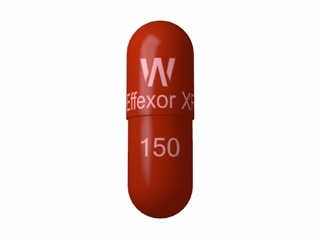
| Available strengths (common) | Commonly 37.5 mg, 75 mg, and 150 mg XR capsules/tablets (varies by product packaging) |
| Formulation | Extended-release to slowly release medicine over the day |
| Common timing | Usually morning or evening depending on side effects |
How Effexor XR Works (Mechanism of Action)
Venlafaxine is an SNRI. It helps increase the activity of two key neurotransmitters: serotonin and noradrenaline.
- Serotonin reuptake inhibition: helps improve mood, emotional regulation, and aspects of anxiety.
- Noradrenaline reuptake inhibition: may support energy, motivation, and alertness in some people.
The XR formulation is designed to release venlafaxine gradually, which can improve tolerability and support a more consistent effect throughout the day.
Typical Uses in Australia
Effexor XR is commonly used for conditions such as:
- Depression (major depressive disorder)
- Generalised anxiety disorder (GAD)
- Other anxiety-related conditions depending on clinical assessment and local prescribing practices
Your clinician may choose Effexor XR when symptoms are persistent, significantly affect daily life, or when other treatments have not been fully effective or suitable.
When You May Start to Feel Better (Timing & Expectations)
Response to antidepressants like venlafaxine usually happens gradually. Many people notice changes in sleep, appetite, or anxiety before full mood improvement.
- First 1–2 weeks: some people experience side effects; symptom improvement may begin for some.
- 2–6 weeks: more noticeable improvement in mood and anxiety is often observed.
- 6–12 weeks: the full benefit may become clearer; treatment may be adjusted if needed.
If you are not feeling better after several weeks, it doesn’t necessarily mean it won’t work—dose adjustments or time may be needed. Do not stop suddenly without guidance.
Pharmacokinetics (How the Body Handles It)
Understanding pharmacokinetics can help explain why Effexor XR is taken once daily and why missing doses may matter.
- Absorption: Effexor XR delivers venlafaxine steadily from the extended-release formulation.
- Metabolism: venlafaxine is mainly metabolised by the liver, including via the enzyme CYP2D6, producing O-desmethylvenlafaxine (also active).
- Elimination: metabolites are cleared mainly via the kidneys (urine).
- Half-life (general): venlafaxine and its active metabolite have a relatively long duration, contributing to once-daily dosing with XR.
People vary in how quickly they metabolise venlafaxine. Factors such as genetics, liver function, age, other medicines, and smoking can influence exposure and side effects.
Dosing: What “Typical” Looks Like
Effexor XR dosing depends on the condition being treated, symptom severity, age, tolerability, and other medical factors. Your prescriber may start at a lower dose and gradually increase to reduce side effects.
General patterns you may see:
- Starting dose: often begins at a lower strength to improve tolerability.
- Dose adjustments: may be made every few days to weekly intervals depending on response and side effects.
- Maximum dose: varies by indication and local product guidance; follow clinician and product instructions.
How to take Effexor XR:
- Take once daily, at the same time each day when possible.
- Swallow the XR capsule/tablet whole—do not crush or chew (extended-release films/capsules are designed to release medicine slowly).
- If you miss a dose, take it when you remember unless it’s close to your next dose (avoid double dosing).
Food Interactions & “With or Without” Meals
Effexor XR can generally be taken with or without food. Some people find taking it with food helps reduce nausea or stomach upset.
- Take consistently: if you usually take it with breakfast, keep that routine.
- Stomach sensitivity: if you experience nausea, try taking it with a meal.
Alcohol: Safety Considerations
It’s best to avoid or minimise alcohol while taking venlafaxine. Alcohol can:
- worsen mood and anxiety symptoms
- increase dizziness, drowsiness, or impaired coordination
- affect sleep quality, which can slow recovery
If you choose to drink, discuss safe limits with a healthcare professional, especially if you are feeling unwell, have other conditions (such as liver disease), or take other medicines that also affect the brain.
Medicine Interactions (Important)
Venlafaxine can interact with other medicines, sometimes increasing side effects or changing effectiveness. Below are common interaction categories to be aware of. This is not a complete list.
1) Medicines that affect serotonin (risk of serotonin syndrome)
Combining venlafaxine with other serotonergic medicines may rarely contribute to serotonin syndrome, a potentially serious condition. Signs can include agitation, confusion, fever, sweating, tremor, diarrhoea, and fast heart rate.
- Other antidepressants (SSRIs, other SNRIs)
- MAO inhibitors (generally not used with venlafaxine)
- Some migraine medicines (e.g., triptans)
- Linezolid (an antibiotic with MAOI-like effects)
- Some opioids with serotonergic activity (e.g., tramadol)
- St John’s wort (herbal product)
2) “CYP2D6” and liver enzyme interactions
Since venlafaxine metabolism involves liver enzymes (including CYP2D6), certain medicines may raise or lower venlafaxine levels. This can increase side effects or reduce benefit.
- Some antidepressants and antipsychotics
- Certain heart rhythm medicines
- Some medicines for Parkinson’s disease
- Some inhibitors/inducers of liver enzymes (discuss with your pharmacist)
3) Blood pressure effects
Venlafaxine can sometimes increase blood pressure, particularly at higher doses. Tell your clinician if you have hypertension or heart disease, or if you notice symptoms such as severe headache, chest pain, or shortness of breath.
4) Bleeding risk
When taken with medicines that affect clotting (e.g., some pain relievers such as NSAIDs, or blood thinners), there may be an increased bleeding risk.
5) Other medicines that cause drowsiness or impaired coordination
The combination with sedatives, sleeping tablets, or some allergy medicines may increase sleepiness, dizziness, or falls risk.
Tell your healthcare provider about all medicines and supplements you take, including: over-the-counter items, herbal products, and vitamins (especially those with potential serotonergic effects).
Safety Profile: Common and Serious Side Effects
Like all medicines, Effexor XR can cause side effects. Many improve as your body adjusts, but some require medical attention. If you experience concerning symptoms, seek urgent help where appropriate.
Common side effects
- Nausea, decreased appetite
- Dry mouth
- Headache
- Dizziness or light-headedness
- Sleep changes (insomnia or increased sleepiness)
- Sweating
- Tremor
- Sexual side effects (e.g., decreased libido or difficulty with arousal/orgasm)
- Constipation or diarrhoea
- Fatigue
Blood pressure changes
- Effexor XR may increase blood pressure in some people.
- Clinicians may monitor blood pressure, particularly after dose changes.
Serious but less common risks
- Serotonin syndrome: agitation, confusion, fever, sweating, tremor, diarrhoea, fast heart rate.
- Mania/hypomania: unusual energy, reduced need for sleep, racing thoughts, risky behaviour.
- Suicidal thoughts: mood changes can occur early in treatment—especially in younger people. Any worsening mood should be taken seriously.
- Withdrawal or discontinuation symptoms: stopping abruptly can cause dizziness, “brain zaps,” irritability, anxiety, nausea, and sleep disturbance.
- Severe allergic reactions: swelling of face/lips, rash with breathing difficulty.
Important: do not stop Effexor XR suddenly. If discontinuation is needed, tapering is usually recommended to reduce withdrawal symptoms.
Practical Use Tips (What Helps Day-to-Day)
- Take it at the same time daily: it supports steadier drug levels and may reduce side effects.
- Manage early nausea: taking with food, staying hydrated, and taking the first dose at a time when you can rest may help.
- Plan for sleep changes: if it makes you drowsy, consider morning; if it causes insomnia, consider earlier in the day—follow clinician advice.
- Track symptoms: consider a simple journal for mood, anxiety, sleep, and side effects during the first month.
- Don’t skip doses repeatedly: missed doses can cause a return of symptoms or discontinuation-like effects.
- Be cautious driving: if you feel dizzy or unusual, avoid driving or operating machinery until you’re sure of your alertness.
- Talk about blood pressure: if you’ve had hypertension, make sure it’s monitored after starting or increasing doses.
Alternative Options
Treatment choice depends on your symptoms, medical history, other medicines, and past response. Alternatives may include:
- Other antidepressants (e.g., SSRIs, other SNRIs)
- Psychological therapies (e.g., CBT) which can be used alone or alongside medication
- Other anxiety treatments depending on diagnosis and risk profile
- For depression: some people may be offered combination strategies or different classes if side effects are problematic
If Effexor XR doesn’t suit you (side effects, lack of response, or interaction concerns), a clinician may consider switching to another option. Switching typically requires a careful plan to reduce the risk of withdrawal or interaction.
Australia: Market & Legal/Regulatory Context
In Australia, medicines containing venlafaxine are regulated through the Therapeutic Goods Administration (TGA) and are marketed in accordance with approved product information and scheduling rules.
Availability and brand names may change over time. Patient support services and mental health resources are widely available in Australia. If you’re seeking help for mood or anxiety, consider contacting a GP or a local mental health service.
For up-to-date general safety and product details, check official Australian medicine information sources such as the TGA or approved product information for venlafaxine XR formulations.
Recent Guidance & Ongoing Safety Monitoring (General)
While specific updates vary by time and product jurisdiction, ongoing clinical guidance in Australia and globally commonly emphasises:
- Gradual initiation and dose changes to improve tolerability
- Monitoring early in treatment for changes in mood, anxiety, and side effects
- Careful management of discontinuation with tapering plans
- Awareness of serotonin-related interactions with other serotonergic medicines
- Blood pressure monitoring, especially at higher doses
If you have questions about your treatment plan, your pharmacist or GP can help interpret guidance for your personal situation.
Delivery, Availability & What to Expect When Ordering Online
Effexor XR availability may vary by strength and local stock. Many online pharmacies in Australia offer:
- Real-time stock checks or estimated dispatch times
- Pack size options based on supply and prescribing needs
- Secure packaging and tracking for delivery
Delivery times depend on location and courier service. Allow extra time if you’re ordering a less common strength or if there are supply delays. If you’re planning travel or have upcoming appointments, consider ordering early to avoid gaps.
FAQ
1) What is Effexor XR used for?
Effexor XR (venlafaxine extended-release) is commonly used to treat depression and certain anxiety disorders, depending on clinical assessment.
2) How long does Effexor XR take to work?
Some people feel changes within 1–2 weeks, but meaningful improvement often takes 2–6 weeks. Full benefit may take longer, and adjustments may be needed.
3) How should I take Effexor XR?
Take it once daily at a consistent time. Swallow the XR capsule/tablet whole. If side effects occur, timing adjustments (morning vs evening) may help—discuss with your healthcare professional.
4) Can I take Effexor XR with food?
Yes, it can usually be taken with or without food. Taking it with a meal may reduce nausea.
5) What if I miss a dose?
Take it when you remember unless it’s close to the next dose. Do not double dose to make up for a missed capsule/tablet. If you miss several doses, contact a healthcare professional for advice.
6) Is alcohol safe with Effexor XR?
It’s best to avoid or minimise alcohol. Alcohol can worsen sleep, mood, and anxiety and may increase dizziness or impaired coordination.
7) What medicines should I avoid while on venlafaxine?
Avoid combinations that increase serotonin-related risk (for example, certain antidepressants, MAO inhibitors, and some migraine medicines). Also consider other interactions involving blood pressure, bleeding risk, or sedation. Always check with a pharmacist.
8) Can I stop Effexor XR suddenly?
It’s generally not recommended to stop suddenly due to discontinuation/withdrawal symptoms. If stopping is needed, tapering guidance from a clinician is important.
9) Does Effexor XR affect blood pressure?
It can. Blood pressure monitoring may be recommended, particularly after dose increases or if you have existing hypertension.
10) What should I do if I experience severe side effects?
Seek urgent medical help for symptoms such as signs of serotonin syndrome, severe allergic reaction, chest pain, fainting, or severe mood deterioration. If symptoms are concerning, contact a healthcare professional promptly.
Important Reminder
Effexor XR can be an effective treatment for depression and some anxiety disorders, but individual responses and side effects vary. If you have questions about suitability, interactions, or how to take it safely, speak with a healthcare professional or pharmacist.