Escitalopram (Escitalopram Oxalate) – Patient Information (Australia)
Escitalopram is a widely used medicine for depression and certain anxiety disorders. This guide is designed to be patient-friendly and to help you understand how it works, what to expect, and how to use it safely. If you have questions about your specific situation, discuss them with a qualified healthcare professional.
Key product information
| Category | Details |
|---|---|
| Generic name | Escitalopram (often as escitalopram oxalate) |
| Medicine type | Selective Serotonin Reuptake Inhibitor (SSRI) |
| Common uses | Depression, generalised anxiety disorder, panic disorder, and other anxiety-related conditions (depending on local prescribing) |
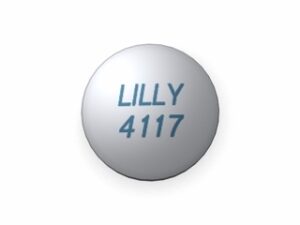
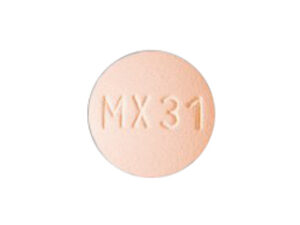
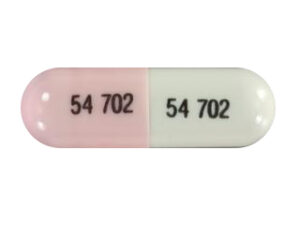
| Typical forms | Tablets (strengths vary by brand); oral administration |
| How it’s taken | Usually once daily, at a consistent time |
| Onset of benefit | May start within 1–2 weeks, but full effect often takes 4–6+ weeks |
How escitalopram works (mechanism of action)
Escitalopram belongs to the SSRI class. In the brain, serotonin is a chemical messenger involved in mood regulation and anxiety control. Escitalopram works by blocking the reuptake of serotonin in nerve cells (primarily by inhibiting the serotonin transporter).
This helps increase the availability of serotonin in the synaptic space. Over time, changes in brain signaling contribute to improved mood, reduced anxiety, and better emotional regulation.
Pharmacokinetics: what the body does to escitalopram
Pharmacokinetics describe how your body absorbs, distributes, metabolises, and clears a medicine.
- Absorption: Escitalopram is absorbed after oral dosing. Food generally does not significantly change overall absorption.
- Peak levels: Blood levels typically reach a peak a few hours after a dose (commonly within ~4 hours, depending on the individual).
- Distribution: It distributes through body tissues and crosses into the central nervous system.
- Metabolism: The liver primarily metabolises escitalopram. Key metabolic pathways involve enzymes that can be affected by other medicines.
- Elimination: Escitalopram and its metabolites are eliminated mainly via the kidneys and through liver-related pathways.
- Half-life: The elimination half-life is commonly around about 27–32 hours in many adults, supporting once-daily dosing.
Steady state: With daily dosing, escitalopram blood levels build gradually and typically reach steady state after about 1–2 weeks.
Typical uses and indications
In Australia, escitalopram is used for mental health conditions where SSRIs are recommended, including:
- Depressive disorders (including major depressive disorder)
- Generalised anxiety disorder (GAD)
- Panic disorder (sometimes with or without agoraphobia)
- Other anxiety-related conditions depending on clinical assessment
Your clinician will determine which diagnosis applies and the most suitable starting dose and plan for your circumstances.
Timing and how to take escitalopram
Escitalopram is usually taken once daily. Many people choose a consistent time each day to help remember doses.
Morning vs evening
- If it makes you feel drowsy: consider taking it in the evening.
- If it makes you feel energised or restless: consider taking it in the morning.
- If unsure: choose a time that fits your routine and remains consistent; you can adjust later with clinician advice.
How long before it helps
- First changes: some people notice improvements in sleep, appetite, or anxiety within 1–2 weeks.
- Full benefit: mood and anxiety symptoms often improve most clearly over 4–6 weeks or longer.
- Early side effects: mild side effects may appear at the start and often settle as your body adapts.
Dosing: general principles
Doses vary by age, diagnosis, symptom severity, and individual tolerance. Always follow the dosing plan provided by your healthcare professional.
Common starting approach (general information):
- Clinicians often start at a low dose to reduce side effects, then adjust gradually based on response and tolerability.
- For some patients, especially older adults or those with certain medical conditions, lower starting and slower increases may be recommended.
Do not change your dose suddenly. If you miss a dose, follow the instructions given with your specific product or clinician guidance. In general, you should avoid taking a double dose to make up for a missed tablet.
Food interactions
Escitalopram can generally be taken with or without food.
- With food: may reduce the chance of nausea for some people.
- Without food: may still be suitable; if nausea occurs, try taking it after a meal or at a different time of day.
There are no major dietary restrictions required for most patients, but maintaining a regular routine (meals, sleep, hydration) can support overall wellbeing during treatment.
Alcohol interactions
It’s best to limit or avoid alcohol while taking escitalopram. Alcohol can worsen mood and anxiety symptoms and may also:
- Increase sedation or impair coordination
- Make side effects (such as dizziness, drowsiness, or reduced concentration) more noticeable
- Interfere with sleep quality
If you choose to drink, discuss safe limits with your clinician and avoid binge drinking. In general, avoiding alcohol is the safest approach, especially during the first weeks of starting treatment.
Medicine interactions and safety considerations
Escitalopram can interact with other medicines. This is important because some combinations increase the risk of side effects or serious reactions.
Common interaction categories
- Other antidepressants or serotonin-affecting medicines: combining multiple serotonergic medicines can raise the risk of serotonin syndrome.
- MAO inhibitors: generally contraindicated with SSRIs due to high interaction risk.
- Other drugs that affect serotonin (e.g., certain migraine medicines, some pain medicines, some cough/cold products containing dextromethorphan): may require caution.
- Anticoagulants/antiplatelets (blood thinners): SSRIs can increase bleeding risk in some people, particularly when combined with medicines that affect clotting.
- Non-steroidal anti-inflammatory drugs (NSAIDs) (e.g., ibuprofen, naproxen): may also increase bleeding risk in susceptible patients.
- Medications affecting heart rhythm: escitalopram may rarely affect cardiac electrical activity (QT interval). Caution is advised with other medicines that also increase QT risk or in people with existing heart conditions.
- Medicines metabolised by liver enzymes: some drugs can change escitalopram levels, which may affect side effects or effectiveness.
Always tell your healthcare team about
- All prescription medicines
- Over-the-counter medicines
- Herbal supplements (especially those affecting serotonin)
- Recent medication changes
If you experience unusual symptoms after starting or changing doses—such as severe agitation, confusion, fever, muscle stiffness, or fast heart rate—seek urgent medical care.
Safety profile: possible side effects
Like all medicines, escitalopram can cause side effects. Many are mild and improve with time. However, some symptoms require prompt medical attention.
Common or early side effects
- Nausea
- Headache
- Sleep changes (sleepiness or insomnia)
- Dry mouth
- Sweating
- Increased anxiety or restlessness early in treatment (often temporary)
- Fatigue
Sexual side effects
- Reduced libido
- Difficulty achieving orgasm
- Erectile or arousal changes
Less common but important risks
- Serotonin syndrome: rare, more likely when combined with other serotonergic drugs.
- Bleeding risk: especially if taking blood thinners or NSAIDs.
- Hyponatraemia (low sodium): more likely in older adults or those taking diuretics.
- Abnormal heart rhythm (QT prolongation): risk is higher with certain other medicines or existing predisposition.
- Mania/hypomania: may occur in people with bipolar disorder.
Withdrawal or discontinuation symptoms
Stopping SSRIs suddenly may cause discontinuation symptoms, such as dizziness, nausea, irritability, “electric shock” sensations, tremor, or sleep disturbance. These symptoms can be distressing but are often avoidable with a gradual dose reduction under clinician guidance.
Practical use tips (how to get the best results)
- Give it time: improvement often takes several weeks—continuing as advised is important.
- Expect early adjustment: mild side effects can occur early. Track symptoms rather than assuming the medicine “isn’t working.”
- Keep a routine: consistent dosing time, sleep schedule, and regular meals can help manage side effects.
- Don’t stop abruptly: if you want to stop or reduce, ask about a taper plan.
- Use symptom tracking: consider a simple daily note of mood, anxiety, sleep, and side effects to discuss at follow-up.
- Be cautious with driving: until you know how escitalopram affects you.
- Complementary support: psychological therapy, lifestyle changes, and regular physical activity may improve overall outcomes.
Alternative options
If escitalopram isn’t suitable or doesn’t provide enough benefit, healthcare professionals may consider alternative treatments. Options can include:
Other SSRIs
- Sertraline
- Fluoxetine
- Paroxetine (used in some cases, though it may have a higher risk of certain side effects for some patients)
Other antidepressant classes
- SNRIs (e.g., venlafaxine, duloxetine)
- Mirtazapine
- Tricyclic antidepressants in selected situations
Anxiety-focused approaches
- Cognitive behavioural therapy (CBT)
- Structured stress management, sleep support, and other evidence-based therapy
The “best” alternative depends on your symptoms, past medication response, health conditions, and tolerability.
Escitalopram in Australia: market and legal context
In Australia, medicines such as escitalopram are regulated under the Australian regulatory framework for medicines. Availability and supply are managed to ensure safe use. Access is typically through pharmacy channels and clinical care pathways.
Escitalopram is commonly listed on Australian medicine formularies and may be covered under different subsidy arrangements depending on eligibility. Exact product availability (brands, pack sizes, strengths) may vary by supplier and location.
Recent guidance (general trends):
- Australia has ongoing emphasis on safer prescribing, including careful assessment of benefits vs risks, and consideration of patient-specific factors (age, co-morbidities, interactions).
- Clinicians frequently monitor for early treatment side effects, suicidality risk (particularly in younger populations), and signs of serotonin syndrome when medications change.
- There is continued focus on planned discontinuation (gradual tapering) to reduce withdrawal symptoms.
Delivery and availability (online pharmacy)
Escitalopram may be supplied in different strengths and pack sizes depending on brand. Delivery timelines vary by location and supplier dispatch schedules.
- Stock availability: subject to supplier supply and demand
- Packaging: medicines are typically supplied in manufacturer packaging with patient information materials
- Delivery tracking: many online pharmacies provide tracking once dispatched
If you have specific requirements (such as a particular strength or brand), check product listings on the website or contact customer support to confirm availability.
FAQ
1) How quickly will I feel better on escitalopram?
Some people notice changes within 1–2 weeks, but for many, the clearest improvement occurs after 4–6+ weeks. If symptoms worsen significantly or you feel unsafe at any time, seek medical help promptly.
2) Can I take escitalopram with food?
Yes. Escitalopram can usually be taken with or without food. If nausea occurs, taking it with a meal may help.
3) Is it safe to drink alcohol while taking escitalopram?
It’s generally best to avoid or limit alcohol. Alcohol can worsen mood/anxiety and increase side effects like dizziness or drowsiness.
4) What should I do if I miss a dose?
Follow the directions provided with your medication or by your clinician. In general, avoid taking a double dose. If you’re unsure, contact your pharmacist for guidance.
5) Can escitalopram cause weight gain?
Some people experience weight changes. The effect varies widely between individuals. If you notice rapid or concerning changes, discuss them with a healthcare professional.
6) Why do side effects happen at the start?
Early side effects are common with SSRIs as your body adjusts to changes in serotonin signalling. Many side effects settle over time, but persistent or severe symptoms should be reviewed by a clinician.
7) How do I stop escitalopram safely?
Do not stop suddenly. Discontinuation symptoms can occur. Talk to your healthcare professional about a gradual taper plan tailored to you.
8) What medicines should I be careful about?
Many medicines can interact with escitalopram, including other serotonergic drugs, blood thinners, NSAIDs, and certain heart-rhythm medicines. Always share your full medicine list (including supplements and over-the-counter products) with your pharmacist or doctor.
9) Is escitalopram only for depression?
Escitalopram is used for both depression and anxiety disorders. Which condition it’s used for depends on your clinical assessment.
10) When should I get urgent help?
Seek urgent medical assistance if you develop symptoms such as severe agitation, confusion, fever, muscle stiffness, fast heart rate (possible serotonin syndrome), thoughts of self-harm, signs of serious allergic reaction, or fainting/chest pain.
Important reminder
This information is general and may not cover every individual situation. Always read the product’s Consumer Medicine Information (CMI) provided with the medicine and follow your healthcare professional’s advice. If you’re unsure about any aspect of using escitalopram—timing, side effects, missed doses, or interactions—ask a pharmacist for tailored guidance.