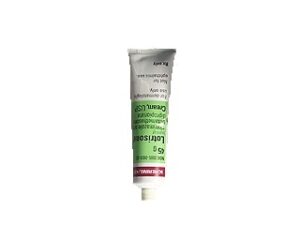
Lamisil (Terbinafine) – Patient Guide (Australia)
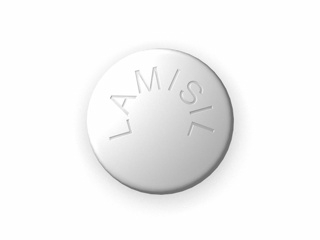
Lamisil contains the antifungal medicine terbinafine. It is used to treat a range of fungal skin infections, including common problems such as athlete’s foot, ringworm (tinea), and fungal infections of the skin. This guide explains how Lamisil works, how it is used, what to expect, and important safety information for people in Australia.
Note: Products containing terbinafine may be available in different strengths and forms (for example, creams/ointments). The exact instructions may vary depending on the specific Lamisil product you purchase. Always follow the product label or the directions provided by your pharmacist.
Quick Facts
- Active ingredient: Terbinafine
- Medicinal purpose: Antifungal (treats fungus in skin)
- Common conditions: Athlete’s foot, ringworm (tinea corporis), jock itch (tinea cruris), and other superficial fungal skin infections
- How it’s taken: Usually applied to the skin (depending on product form)
- Typical time to improvement: Often within a few days; full clearance can take longer
Basic Product Information
Lamisil is an antifungal medicine. It works against dermatophytes (fungi that commonly infect skin, hair, and nails), and it may also act against some other fungi.
Common Australian pack types
Depending on the formulation sold in Australia, Lamisil products may be available as topical creams or related preparations. Your pharmacist can help confirm the exact product and dosing schedule for your chosen pack.
| Topic | What to expect |
|---|---|
| Where it works | On the skin surface where the fungal infection is present (topical products) |
| Who it’s for | People with confirmed or strongly suspected superficial fungal skin infections |
| Where it’s bought | Available through Australian pharmacies and reputable online pharmacies |
| Typical duration | Often 1–2 weeks depending on the infection type and product instructions |
How Lamisil Works (Mechanism of Action)
Terbinafine works by blocking a key step in fungal cell membrane production. Specifically, it inhibits an enzyme called squalene epoxidase, which is needed to produce ergosterol (an essential component of fungal cell membranes).
- Result: The fungal cells cannot maintain their membrane structure properly.
- Effect: Fungi die or can no longer grow effectively.
- Why it matters: Successful treatment depends on applying enough product to the affected area for the recommended time.
Pharmacokinetics (Absorption & How the Body Handles Terbinafine)
Topical terbinafine is designed to act locally in the skin. Compared with oral terbinafine, systemic absorption (getting into the bloodstream) is typically low when used as directed.
- Skin penetration: Terbinafine can penetrate the skin layers where fungal infection occurs.
- Local retention: With appropriate use, the medicine remains at effective levels in the skin for some time.
- Metabolism: Any absorbed terbinafine is processed by the liver pathways.
- Excretion: Metabolites are eliminated mainly via urine (and also through other routes depending on the formulation and metabolism).
If you have a history of liver problems or take multiple medicines, it is still important to discuss your situation with a pharmacist—especially if using any product where systemic absorption may occur. (Always follow the instructions specific to your Lamisil product.)
Typical Use in Australia
Lamisil is commonly used to treat superficial fungal infections that affect the skin. These infections often cause itching, redness, scaling, and sometimes well-defined borders.
Common indications
- Athlete’s foot (tinea pedis)
- Ringworm of the body (tinea corporis)
- Jock itch (tinea cruris)
- Other terbinafine-susceptible superficial dermatophyte infections as described on the product label
Fungal infections can look similar to eczema, contact dermatitis, psoriasis, or bacterial skin conditions. If symptoms are severe, recurrent, or not improving as expected, seek professional assessment.
Dosing & Timing (Practical Guidance)
Correct dosing depends on the infection type and the specific Lamisil topical formulation you have. Always check the pack instructions or ask your pharmacist to confirm the schedule for your product.
General timing principles
- Start consistently: Apply at the same times each day.
- Continue for the full course: Even if symptoms improve quickly, continue for the recommended duration to reduce relapse.
- Typical course length (varies by product): many superficial skin infections are treated for about 1–2 weeks with topical terbinafine.
- Apply to more than the visible rash: Often the surrounding area should be treated as well, because fungus can extend beyond what you can see.
Step-by-step practical application tips (topical use)
- Clean and dry the affected area (gentle soap and water is usually sufficient).
- Wash your hands before and after applying.
- Apply a thin layer to the affected skin and a small amount around it.
- Let it dry before covering with clothing.
- Use the recommended duration even if the skin looks better.
If you miss a dose, apply it as soon as you remember and then continue as usual. Do not double up unless the label specifically advises otherwise.
Food Interactions
For topical terbinafine, food interactions are generally not a concern because the medicine is used on the skin. Systemic absorption is typically low when used correctly.
If you are using an oral terbinafine product for any reason (some people may have both topical and oral options), food can affect absorption differently. In that case, follow the specific instructions provided for your product and consult a pharmacist if you are unsure.
Alcohol and Medicine Interactions
Topical terbinafine: When used as directed on the skin, alcohol interactions are usually not expected.
Oral terbinafine (if applicable): Alcohol does not have a single universal “forbidden” interaction with terbinafine, but heavy alcohol use can be hard on the liver. Since oral terbinafine is processed in the liver, it’s wise to discuss alcohol intake with a healthcare professional if you are using oral treatment or if you have liver disease.
General medicine interactions: People on multiple medicines should still ask a pharmacist if they have any concerns, particularly if they have liver problems or are taking other medicines known to affect liver enzymes.
Safety Profile & When to Seek Help
Common side effects
Topical antifungals such as terbinafine may cause mild, local skin reactions. These usually improve with continued use. Common effects can include:
- Redness
- Itching or irritation
- Dryness or mild burning
- Skin peeling
Less common but important reactions
- Allergic reaction: swelling, hives, severe rash
- Severe skin irritation: blistering, intense burning, or worsening redness
When to stop and seek medical advice
Stop using the product and seek prompt medical advice if you develop signs of a severe allergic reaction (such as facial swelling or breathing difficulty) or if the rash dramatically worsens.
Special populations
- Children: Use according to the pack instructions. Ask a pharmacist if you’re treating a child and you’re unsure about suitability or dosing.
- Pregnancy and breastfeeding: Topical use may be considered in some circumstances, but it’s important to seek advice based on your situation and product instructions.
- Liver disease: With topical terbinafine, risk is usually low; with oral treatment, liver monitoring may be relevant. Consult a pharmacist or doctor for tailored advice.
Keep the product away from the eyes, mouth, and inside the nose. If accidental contact occurs, rinse thoroughly with water.
Indications: Is It Right for Your Condition?
Lamisil is intended for fungal infections of the skin. It is not effective for viral infections (such as cold sores) or bacterial infections unless they are coexisting and treated separately.
Signs that may suggest a fungal skin infection
- Itchy or scaly skin
- Rash with a ring-like or well-defined border
- Skin scaling between toes (athlete’s foot)
- Recurrent outbreaks, especially after sweating or shared sports gear
When you should get checked first
- The area is very painful, oozing, or rapidly spreading
- There is pus, fever, or significant swelling (possible bacterial infection)
- No improvement after the recommended course or worsening despite treatment
- Infection involves the scalp or nails (topical skin products may not be suitable)
Practical Use Tips for Best Results
- Dry the area well: Fungi thrive in moisture. After bathing, dry thoroughly—especially skin folds and between toes.
- Don’t share towels: Use separate towels and wash them regularly.
- Change socks and underwear daily: For athlete’s foot or jock itch, frequent changing helps reduce reinfection.
- Keep the area breathable: Wear loose clothing and breathable fabrics where possible.
- Continue treatment even after symptoms improve: Stopping early can lead to recurrence.
- Treat close contacts if advised: If multiple family members are affected, a pharmacist may suggest appropriate steps.
- Clean potentially contaminated items: Wash bedding, clothing, and towels regularly. Consider rotating shoes to allow drying.
If you’re wearing tight or non-breathable shoes for long periods, athlete’s foot can keep returning. Consider alternating shoes and using moisture-wicking socks.
Alternative Options (When Lamisil May Not Be the Best Choice)
Depending on the fungal infection type, severity, and your preferences, alternatives may include:
Other topical antifungals
- Azole antifungals (e.g., clotrimazole, miconazole) – commonly used for similar superficial skin infections
- Other terbinafine products – different strengths or vehicle types may be available
Non-medicine supportive measures
- Keeping the area dry
- Reducing friction and sweat
- Washing and drying clothes/towels regularly
When oral antifungals may be considered (special cases)
Some fungal infections (for example, widespread or persistent disease) may require different treatment approaches. Discuss with a pharmacist or clinician for an individual plan—particularly for infections affecting nails, hair/scalp, or recurrent disease.
Market & Legal Context for Australia
Australia regulates medicines through the Therapeutic Goods Administration (TGA) and related frameworks. Many antifungal treatments are supplied through pharmacies and may be available without a doctor’s prescription, depending on formulation and strength.
Pharmacy supply helps ensure:
- Correct product selection for the likely fungal condition
- Advice on proper application and duration
- Safety checks for relevant medical history and interactions
For online purchases, reputable Australian pharmacies comply with regulatory requirements, including supply chain standards, product authenticity checks, and appropriate patient information.
Recent Guidance & Ongoing Considerations
Fungal resistance is generally not the same issue as with antibiotics, but correct diagnosis and treatment adherence remain essential. Health advice for fungal skin infections in Australia commonly emphasises:
- Use the full course: stopping early increases relapse risk.
- Confirm the diagnosis if not improving: rashes can mimic other skin conditions.
- Hygiene and reinfection prevention: reinfection from shoes, towels, or close contacts is common.
- Seek professional advice for recurrent or severe cases: persistent symptoms may require an alternative approach.
If your symptoms do not improve within the expected timeframe on the label, consult your pharmacist or clinician.
Delivery, Availability & How to Get It in Australia
Lamisil (terbinafine) is typically available through Australian pharmacies and online pharmacy services that deliver within Australia. Availability can vary by formulation, size, and stock levels.
What to check when ordering online
- Active ingredient: Confirm it is terbinafine and that it matches your needs.
- Formulation and strength: Cream/gel/ointment instructions differ.
- Expiry date: Ensure the product is not close to expiry.
- Return policy and shipping: Use a trusted retailer with clear delivery and contact options.
On receipt, store the medicine as directed on the pack (typically at room temperature, away from direct heat and moisture). Keep it out of reach of children.
FAQ (Frequently Asked Questions)
1) How long does it take for Lamisil to work?
Many people notice improvement within a few days (less itch, redness, or scaling). However, complete clearance can take longer. It’s important to finish the full course even when you feel better.
2) Can I use Lamisil for athlete’s foot between the toes?
Yes—topical terbinafine is commonly used for athlete’s foot. Make sure the area is thoroughly dried first and apply the product to the affected area and a small surrounding margin. If skin is very moist or macerated, gentle drying and good foot hygiene are especially important.
3) Should I stop treatment when the rash looks better?
No. Stopping early can allow remaining fungus to regrow, leading to recurrence. Continue for the recommended duration on your product instructions.
4) What if my skin is still itchy after I start using Lamisil?
Itch can improve gradually. If there is no improvement after the recommended timeframe, or the rash is worsening, the diagnosis may be different (for example, eczema or another dermatitis). Check with a pharmacist for advice.
5) Can I drink alcohol while using Lamisil?
With topical terbinafine, alcohol interactions are generally not expected. If you are using oral terbinafine or you have liver issues, discuss with a pharmacist or clinician. When in doubt, ask before continuing.
6) Are there any interactions with other medicines?
For topical terbinafine, significant interactions are not commonly expected. If you use multiple medicines—especially if you have liver disease—check with your pharmacist for reassurance.
7) Can I apply Lamisil to broken skin?
Avoid applying to large open wounds unless the product instructions indicate it is suitable. If the skin is severely cracked or oozing, seek advice—this may affect absorption and could indicate another condition.
8) Can Lamisil be used on the face or genitals?
Some fungal infections occur in sensitive areas. Use only if the product label supports that use, and avoid eyes and mucous membranes. If unsure, speak with a pharmacist for guidance on the safest approach.
9) What can I do to prevent it coming back?
Focus on dryness and hygiene: change socks daily, keep feet dry, wash towels and bedding regularly, avoid sharing towels, and consider shoe rotation to let footwear fully dry.
10) When should I get medical help?
Get advice if symptoms rapidly worsen, spread widely, cause significant pain, show signs of infection (pus, fever), involve scalp/nails, or do not improve after completing the recommended treatment course.
Disclaimer: This information is intended to help you understand Lamisil (terbinafine) and how it may be used. For personalised advice about your specific symptoms, medicines, or health conditions, consult your pharmacist or a healthcare professional.